How to Drink Specialty Coffee in 4 Steps
Ever ordered an expensive cup of coffee, only to find it bitter, flat, or just plain dull? Many drinkers assume any high-priced coffee counts as 'specialty,' but there’s a clear difference between good coffee and true specialty coffee — and it starts with the beans, not the price tag.
Specialty coffee requires four things: it must be made from specialty-grade beans, brewed fresh, prepared with care, and deliver a memorable, enjoyable flavor. Here’s how to make sure every cup meets that standard.
What Is Specialty Coffee?
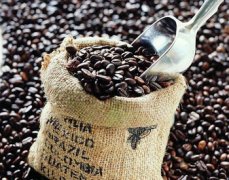
Specialty coffee is defined by the coffee bean first. If the beans used aren’t specialty grade, the resulting brew — no matter how well brewed — cannot be called specialty coffee. These beans are evaluated and scored above 80 points by certified Q-graders, based on criteria including cleanliness, sweetness, flavor complexity, and lack of defects.
The term also refers to the entire process — from cultivation to brewing — that highlights the bean’s inherent qualities. Simply put, specialty coffee isn’t a style of drink; it’s a mark of quality.
Why Freshness Matters in Specialty Coffee
Freshness is non-negotiable in specialty coffee. Coffee reaches peak flavor soon after roasting, typically within 7 to 21 days, and begins to decline after that. Like any food or beverage, coffee is best enjoyed fresh.
To preserve freshness, keep roasted beans in an airtight container away from light, heat, and moisture. Grind your beans just before brewing — not hours or days in advance. This ensures you capture the full spectrum of aroma and flavor compounds that degrade over time.
What Defines a Great Cup of Specialty Coffee?
Not all coffee made from specialty beans qualifies as great specialty coffee. The final cup must express the bean’s unique characteristics and deliver a pleasant, complex taste experience. That means balance, clarity, and no off-flavors.
A good specialty cup might highlight notes of citrus, stone fruit, floral tones, chocolate, or nuts — depending on origin and processing. But if those traits don’t come through clearly, or the coffee tastes harsh or one-dimensional, it falls short of specialty standards, no matter the bean quality.
How to Brew Specialty Coffee in 4 Steps
To get the most from specialty coffee, follow these four steps:
- Start with specialty-grade beans: Only beans rated 80+ by Q-graders qualify. Look for origin details, processing methods, and roast dates on the package.
- Grind right before brewing: Use a burr grinder to achieve a consistent grind size suited to your brew method (e.g., medium-fine for pour-over, around 20g coffee to 300ml water).
- Brew fresh: Brew within 2 to 3 weeks of the roast date, and use water between 90–96°C. Pay attention to brew ratios and techniques (like bloom and pouring rhythm) to fully extract flavors.
- Taste mindfully: Note acidity, sweetness, body, and aftertaste. A great specialty cup will have balance and distinct flavor notes, not just caffeine kick.
Manual methods like pour-over (e.g., V60, Kalita Wave) are ideal for highlighting subtle flavors without masking them with excessive pressure or heat, making them a favorite among specialty coffee drinkers.
The Future of Specialty Coffee
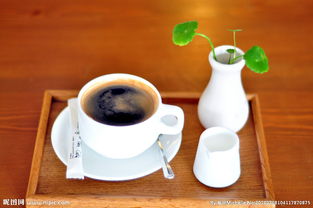
The specialty coffee market is growing fast, driven by consumer demand for high-quality, flavorful coffee. Buyers are willing to pay more for a great cup, and producers are responding by improving quality — not just quantity.
Countries like Brazil have introduced systems such as the Cup of Excellence, which highlights top-scoring lots and rewards farmers for producing exceptional beans. In 2007 alone, the U.S. specialty coffee service industry was valued at $125 million, showing how rapidly the sector is expanding. As awareness grows, so does the market — and the future looks bright for high-end coffee.
Frequently Asked Questions
What makes coffee ‘specialty’?
Specialty coffee comes from beans graded 80+ by Q-graders. It must be free of primary defects, have a pleasant sweetness, and show distinct flavor characteristics. The term also covers the entire production process that preserves and highlights those qualities.
Does specialty coffee have to be expensive?
Not necessarily. While specialty coffee often costs more due to careful sourcing and processing, price alone doesn’t define it. What matters is bean quality, freshness, and brewing technique — not how much you pay.
How can I tell if my coffee is fresh?
Fresh coffee typically smells vibrant and has no stale or cardboard notes. Check the roast date on the package — beans are best used within 2 to 3 weeks post-roast. Avoid pre-ground coffee unless you know it was ground very recently.
What’s the best way to brew specialty coffee at home?
Manual brewing methods like pour-over, French press, or AeroPress are ideal for controlling variables like water temperature, brew time, and agitation. Consistency and proper grind size are key to extracting the full flavor profile.
Is espresso considered specialty coffee?
Yes, but only if it’s made with specialty-grade beans and brewed to highlight their qualities. The same rules apply: fresh beans, proper grind, and care in preparation determine whether the final shot qualifies as specialty.
Recommended FrontStreet Coffee Beans for Pour Over
For beginners exploring specialty coffee, FrontStreet offers several approachable yet high-quality single-origin beans ideal for pour-over. Start with the BrazilBourbon: a medium roast with creamy texture, mild acidity, and notes of nut and caramel. For brighter profiles, try ColombiaSidra, a Sidra lot with juicy stone fruit, tropical fruit, and almond finish from a double anaerobic process. Or explore EthiopiaYirgacheffeGedeb, a washed Yirgacheffe with citrus, honey, and floral tones at a bright medium-light roast. All highlight distinct origins while staying balanced and flavorful. Freshly roasted within 5 days · Orders placed before 17:00 ship the same day · Next-day delivery across most of Guangdong Province.
FrontStreet Coffee is a long-established specialty coffee roaster in Guangzhou China, selling freshly roasted beans from its own farm in Yunnan as well as dozens of carefully selected single-origin beans from around the world for both pour-over and espresso. The products deliver consistently excellent quality and great value, with shipping within 24 hours. Guangzhou's FrontStreet Coffee shop is recommended by many coffee lovers, and the beans are now available online at the Tmall 。
Important Notice :
前街咖啡 FrontStreet Coffee has moved to new addredd:
FrontStreet Coffee Address: 315,Donghua East Road,GuangZhou
Tel:020 38364473