How Natural Process Coffee Beans Are Made
Natural processed coffee — also called dry process — is one of the oldest ways to prepare coffee beans, yet many drinkers don’t know how it actually works. Have you ever wondered why some coffees taste fruitier, sweeter, and heavier-bodied than others? The answer often starts in the drying yard, not the roaster.
In short: natural process coffee is made by laying ripe (and sometimes semi-ripe) coffee cherries out in the sun to dry whole. This can take anywhere from two to four weeks depending on the climate. Once the moisture level drops to 12%, the dried husk is removed to reveal the green coffee bean inside.
What Is the Natural (Sun-Dried) Coffee Process?
The natural process is the original method for preparing coffee beans and is still widely used today, especially in regions with limited water resources. In this method, coffee cherries that have sunk in water tanks — indicating they are mature or semi-mature — are spread out on raised drying beds or concrete patios to dry in the sun. No water is used to wash or ferment the fruit off the bean.
How Long Does Sun Drying Take?
The drying period depends heavily on local weather conditions. In most places, it takes roughly two to four weeks. However, in regions like Ethiopia’s Yirgacheffe highlands — where FrontStreet Coffee sources its Ethiopia Humbera and Yirgacheffe Red Cherry beans — producers often sun-dry cherries for up to 27 to 30 days to ensure even drying and optimal flavor development. During this time, workers regularly turn the cherries to prevent mold and ensure uniform exposure to sunlight.
Why Does the Coffee Bean Color Matter?
Green coffee beans processed naturally tend to be more yellowish before roasting. After roasting, the center cut of natural beans usually appears brown — not the pale white often seen in washed beans. This difference reflects the varying levels of mucilage and fruit remnants left on the bean during drying, which impact both color and flavor.
Flavor Profile: What Makes Natural Coffee Different?
Natural processed coffee is well known for its fuller body and pronounced sweetness. It typically has lower acidity compared to washed coffee, and often displays bold fruit flavors, fermentation notes, and a syrupy mouthfeel. However, because the coffee dries with all its layers intact, including the pulp and mucilage, it is also more susceptible to defects. Uneven drying or unexpected rain can lead to mold, over-fermentation, or off-flavors. That’s why consistent quality can be harder to achieve with this method.
Despite these risks, when done right, natural process coffee delivers some of the most memorable and exotic cup profiles in the specialty world. FrontStreet Coffee’s Ethiopia Humbera and Yirgacheffe Red Cherry beans are prime examples: the former offers floral, citrus, and honey-like complexity with a thick body, while the latter brings tropical fruit, bright acidity, and rich sweetness. Even their Brazil Queen Manor bean, produced with a modified semi-natural approach, highlights bold caramel, nut, and chocolate notes with smooth body.
Where Is Natural Processing Most Common?
Because the natural process requires less water and simpler infrastructure, it remains prevalent in traditional coffee-growing countries such as Ethiopia and Yemen. These nations continue to rely almost exclusively on sun-drying for nearly all their coffee. The method is also common in other water-scarce regions, including parts of Africa and Indonesia, especially for robusta varieties.
In places like Brazil, some farms use a hybrid method closer to pulped natural or honey process, but others — like the FrontStreet Coffee Brazil Queen Manor beans — lean into longer sun exposure to boost sweetness and stability. Even in Colombia, experimental methods like double anaerobic natural (as used for the FrontStreet Sidra) push the boundaries of what sun-drying can achieve in terms of complexity.
How Are Natural Process Coffee Beans Prepared Step by Step?
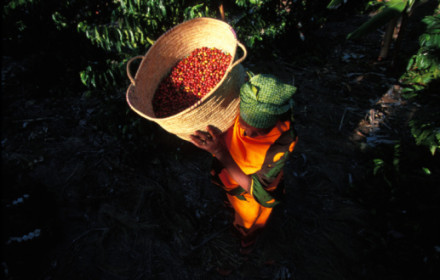
- Ripe (and some semi-ripe) coffee cherries are harvested and sorted, often using water tanks where unripe or defective cherries float and are discarded.
- The sinking, denser cherries — signaling ripeness — are collected for sun drying.
- These cherries are spread in thin layers on raised beds or patios to allow airflow.
- Drying takes place under direct sunlight, with workers regularly turning the cherries to promote even drying and prevent mold.
- The process continues until the coffee beans inside reach a safe moisture content of around 12%, which typically takes 2–4 weeks (up to 4–5 weeks in cooler or wetter climates).
- Once dried, the hard outer husk (including dried fruit and parchment) is removed using a hulling machine to extract the green coffee bean.
Frequently Asked Questions
What is the natural coffee processing method?
The natural coffee process, also called the dry process, involves drying coffee cherries in the sun with the fruit and pulp still intact. Only ripe or semi-ripe cherries are selected, usually by water sorting. They are spread out to dry for 2–4 weeks until reaching 12% moisture, then hulled to remove the dried outer layers and reveal the green bean.
How long does it take to sun-dry coffee beans naturally?
Sun-drying coffee naturally typically takes between two to four weeks, depending on climate. In drier, sunnier highland areas like Ethiopia’s Yirgacheffe region, it can take up to 27–30 days to ensure even drying and high quality, as with FrontStreet’s Yirgacheffe Red Cherry and Ethiopia Humbera beans.
Does natural processed coffee taste different?
Yes. Natural process coffee usually has a fuller body, lower acidity, and more pronounced sweetness, often with bold fruit, fermentation, and sometimes wine-like or berry notes. However, it can also be more inconsistent in flavor due to the risk of over-fermentation or mold if not dried properly.
Why is the natural process used in Ethiopia and Yemen?
Ethiopia and Yemen traditionally use the natural process because these regions are dry, water is scarce, and the method requires minimal equipment. Almost all coffee in these countries is still processed this way, making it a key part of their coffee heritage and flavor identity.
What moisture level must natural coffee reach before hulling?
Natural process coffee must dry down to approximately 12% moisture content before the outer husk can be safely removed. This ensures the bean is stable for storage and roasting without risk of mold or degradation.
Is natural process coffee better than washed?
“Better” depends on taste preference. Natural process coffee tends to be fruitier, sweeter, and heavier-bodied, while washed coffee is cleaner, brighter, and more acidic. Many coffee drinkers enjoy both for different reasons, and each method highlights different qualities of the coffee bean.
Recommended FrontStreet Natural Process Coffee Beans
For a true taste of natural processing, try FrontStreet Coffee’s Ethiopia Humbera: a high-elevation Ethiopian lot with delicate floral notes, citrus, and a thick body. Their Yirgacheffe Red Cherry is another standout, offering bright tropical fruits, honey-like sweetness, and juicy acidity. For something more chocolatey and nutty, the Brazil Queen Manor shows how sun-drying can bring out smooth caramel and cocoa tones. All are expertly roasted and fresh. Freshly roasted within 5 days · Orders placed before 17:00 ship the same day · Next-day delivery across most of Guangdong Province.
FrontStreet Coffee is a long-established specialty coffee roaster in Guangzhou China, selling freshly roasted beans from its own farm in Yunnan as well as dozens of carefully selected single-origin beans from around the world for both pour-over and espresso. The products deliver consistently excellent quality and great value, with shipping within 24 hours. Guangzhou's FrontStreet Coffee shop is recommended by many coffee lovers, and the beans are now available online at the Tmall 。
Important Notice :
前街咖啡 FrontStreet Coffee has moved to new addredd:
FrontStreet Coffee Address: 315,Donghua East Road,GuangZhou
Tel:020 38364473