Pour-Over Coffee: Easy to Learn, Hard to Master
If you’ve ever tried pour-over coffee at home and ended up with something sour, weak, or just plain underwhelming, you’re not alone. Despite looking simple—just hot water poured through ground coffee—achieving a balanced, clean cup takes more finesse than most beginners expect. The challenge isn’t in the tools, but in controlling water flow, timing, and temperature with consistency.
The key to good pour-over lies in using water between 83–85°C, grinding your coffee to a medium size, and pouring in controlled circles to fully saturate all grounds without channeling. Master those, and you’re halfway to a great cup.
What Is Pour-Over Coffee?
Pour-over is a manual coffee brewing method where hot water is poured slowly and precisely over ground coffee in a filter. Unlike espresso or French press, it highlights clarity and subtle flavours, making it a favourite among specialty coffee drinkers. The entire process relies on a gooseneck kettle to control water flow and distribution—a tool that makes or breaks your brew.
Why Pour-Over Feels Easy But Is Hard to Perfect
At first glance, pour-over seems straightforward: add coffee, pour water, wait, done. But the reality is that small variables—like water temperature, pour speed, coffee grind size, and even how you wet the filter—affect extraction dramatically. That’s why it’s considered easy to learn the steps, but difficult to master the results. Getting the balance right means controlling multiple factors at once.
Step-by-Step: How to Brew Pour-Over Coffee the Right Way
1. Start With the Right Water Temperature
The ideal water temperature for pour-over is 83–85°C. That’s slightly below boiling—most standard hot water dispensers from kitchen taps or basic kettles will get you close. For best accuracy, use a thermometer.
2. Prepare the Filter
Fold your paper filter along its bottom seam, then fold in the sides to form a triangle. Place the folded filter into your pour-over dripper so it sits snug against the edges. This helps prevent bypass and ensures even saturation.
3. Preheat Your Equipment
Pour hot water through the filter to rinse it out. This does two things: it preheats your dripper and coffee vessel, and it removes any papery taste from the filter. Discard this rinse water before adding coffee.
4. Choose the Right Grind Size
Use a medium grind—similar to table salt—for pour-over. This grind size balances extraction speed and surface area, allowing for even flow without over- or under-extracting.
5. Add Coffee Grounds & Level Them
Place your freshly ground coffee into the filter. Gently tap the brewer to settle the grounds and create a flat bed. This encourages even water contact during the brew.
6. Bloom the Coffee
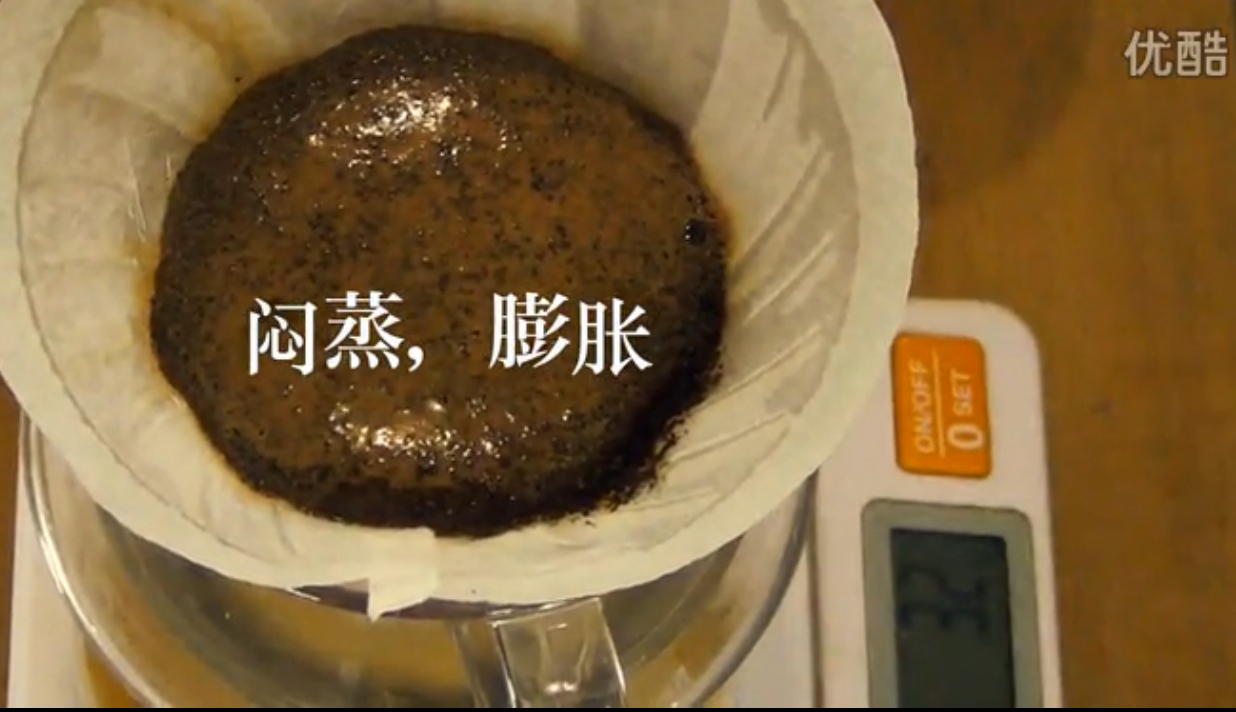
Start your brew with a slow, gentle pour. Hold the gooseneck kettle 3–4 cm above the coffee bed and pour in a circular motion just enough to wet all the grounds—don’t let water drain through yet. Let the coffee bloom for 20 seconds. A fresh coffee will visibly expand as CO₂ escapes.
7. Continue With the Main Pour
After blooming, continue pouring in slow, controlled circles—from the centre outward—to fully saturate all the coffee grounds. Keep the water level consistent and avoid pouring so fast that it drains before extracting properly. Maintain a steady stream just above the coffee bed.
8. Adjust Water Volume as Needed
Keep an eye on the total brew volume in your cup or server. If you’re aiming for a standard brew (usually around 240ml for 15–18g of coffee), top up carefully if needed, judging by sight and experience.
9. Finish and Serve
Once the dripping slows to a stop, your coffee is ready. Pour it into a warmed mug for the best drinking experience. Serving it in a cold cup can mute aromas and flavours.
Common Mistakes to Avoid
- Using water that’s too hot (above 90°C) can scorch the coffee, leading to bitterness.
- Pouring too fast or unevenly causes channeling, where water finds the path of least resistance and over-extracts some grounds while under-extracting others.
- Not blooming the coffee (or not waiting the full 20 seconds) can trap CO₂ and hinder even extraction.
- Using a grind that’s too fine for pour-over leads to over-extraction and a bitter cup; too coarse results in under-extracted, sour coffee.
Frequently Asked Questions
What water temperature is best for pour-over coffee?
The recommended water temperature range for pour-over is 83–85°C. This is slightly below boiling, and ideal for extracting the balanced flavours in specialty coffee without over-extracting bitterness.
Do I really need a gooseneck kettle for pour-over?
Yes. A gooseneck kettle gives you the control needed to pour water slowly and precisely in controlled circles, which is essential for even saturation of the coffee grounds and avoiding channeling.
How long should I let my pour-over coffee bloom?
Allow your coffee to bloom for about 20 seconds after the initial wetting. This lets trapped CO₂ escape and prepares the grounds for even extraction during the main pour.
What grind size should I use for pour-over coffee?
Use a medium grind size, similar to table salt. This provides the right surface area and extraction speed for a clean, balanced cup without over- or under-extracting.
Can I use any coffee for pour-over?
While you can use any coffee, pour-over highlights the unique characteristics of single-origin beans, especially those with bright or complex profiles. Freshness matters—use recently roasted coffee for the best results.
Why is my pour-over coffee sour or weak?
Sourness often comes from under-extraction due to too coarse a grind, water that’s too cool, or not enough contact time. Weakness can also result from insufficient coffee dose or pouring that doesn’t fully saturate the grounds.
Recommended FrontStreet Coffee Beans for Pour-Over
For pour-over brewing, FrontStreet Coffee recommends starting with their Brazil Queen Manor for a smooth, nutty profile with mild acidity and sweet caramel notes—perfect for learning brew balance. For fruitier cups, try the Colombia Sidra with its juicy notes of tropical fruit and honey, thanks to its double anaerobic fermentation. Alternatively, the Ethiopia Gedeb (Gedeb) offers bright citrus and floral tones with a clean, tea-like finish. All three beans are excellent single origins that highlight the clarity pour-over is known for. Freshly roasted within 5 days · Orders placed before 17:00 ship the same day · Next-day delivery across most of Guangdong Province.
FrontStreet Coffee is a long-established specialty coffee roaster in Guangzhou China, selling freshly roasted beans from its own farm in Yunnan as well as dozens of carefully selected single-origin beans from around the world for both pour-over and espresso. The products deliver consistently excellent quality and great value, with shipping within 24 hours. Guangzhou's FrontStreet Coffee shop is recommended by many coffee lovers, and the beans are now available online at the Tmall 。
Important Notice :
前街咖啡 FrontStreet Coffee has moved to new addredd:
FrontStreet Coffee Address: 315,Donghua East Road,GuangZhou
Tel:020 38364473