The Essential Tools for Brewing with a Siphon Coffee Maker
Ever watched someone make coffee with a siphon and wondered what all those pieces are for? Siphon brewing looks like a chemistry experiment—but it’s actually one of the more stable and visually satisfying ways to make specialty coffee. If you’ve been curious about trying it yourself, the first hurdle is knowing exactly which tools you need.
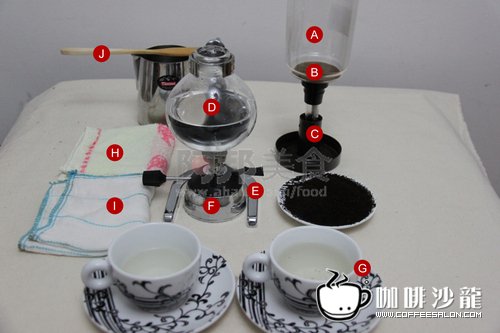
To brew with a siphon (also called a vacuum or syphon pot), you’ll need nine essential items: the upper and lower glass chambers, a filter (paper or cloth), a stand, a heat source, a stirring wand, cups, cloths, and a secure holder. These parts work together to create a controlled, full-immersion brew that’s both theatrical and precise.
What Is a Siphon Coffee Maker?
A siphon coffee maker—also known as a vacuum pot or just siphon—uses a combination of heat, pressure, and vacuum to brew coffee. It consists of two glass bulbs (or flasks) stacked vertically. The lower chamber holds water, and the upper chamber holds ground coffee. As the water heats, it rises into the upper chamber through a tube, where it brews with the coffee grounds. When the heat is removed, a vacuum forms and pulls the brewed coffee back down into the lower chamber, leaving the grounds behind.
The 9 Essential Tools for Siphon Brewing
1. Upper Chamber (Siphon Top Flask)
This is where the coffee grounds sit during brewing. Hot water rises into this chamber from the bottom, immersing the grounds to extract flavor. It’s made of heat-resistant glass and is delicate—easy to crack if knocked or cleaned too roughly.
2. Lower Chamber (Siphon Base Flask)
This holds the water before heating, and later collects the brewed coffee once the vacuum takes effect. Like the upper chamber, it’s made of borosilicate glass and can crack under sudden temperature shifts—especially if heated too intensely or cooled too quickly.
3. Siphon Filter
The filter keeps coffee grounds from falling into the lower chamber. It can be either paper (single-use) or cloth (reusable 30–50 times). If using a cloth filter, rinse it thoroughly after every use and boil it occasionally to remove coffee oils and residue that could affect taste.
4. Siphon Stand (Flask Holder / Rack)
This metal or plastic frame holds the upper and lower chambers in alignment during brewing. It ensures stability and the proper connection between the two flasks while the coffee is brewing.
5. Heat Source
Original setups often come with an alcohol burner, but for better temperature control and faster heating, a gas stove is strongly recommended. Being able to adjust the flame is crucial for achieving consistent results, especially when fine-tuning your brew.
6. Stirring Wand (Bamboo or Plastic)
You’ll need a stirring tool to mix the coffee and water once it’s in the upper chamber. A bamboo stirrer is preferred over plastic—it’s believed that plastic can introduce unwanted flavors when exposed to high heat. Some siphons come with a bamboo stirrer included; if not, buy one separately.
7. Coffee Cups
Choose thick-walled ceramic or bone china cups to help retain the coffee’s heat after brewing. Presentation matters with siphon coffee, and the right cup enhances both the look and temperature stability of the final drink.
8. Cloths (Dry & Wet)
A dry microfiber or lint-free cloth helps handle hot glass safely, while a slightly damp cloth (not dripping) is useful for wiping down surfaces or cooling parts carefully post-brew.
9. Siphon Set Size
Siphon sets come in different sizes, typically 2-cup, 3-cup, or 5-cup capacities. A 3-cup set brews at least 2 servings, and a 5-cup set makes at least 3. For home use, a 2-cup or 3-cup system is usually sufficient unless you frequently brew for groups. More experienced brewers may ignore these volume limits.
Recommended Brands and Materials
For durability and value, Japanese-made Hario siphon sets are often recommended. Their glassware is high-quality, and replacement parts are relatively easy to source. Whether you’re new to siphon brewing or looking to upgrade your setup, investing in a reliable, complete kit will make your first (or next) brew far more enjoyable.
Frequently Asked Questions
How many people does a standard siphon set brew for?
A 2-cup siphon set is ideal for 1–2 people, a 3-cup set brews at least 2 servings, and a 5-cup set makes at least 3. For home use, 2-cup or 3-cup systems are most practical unless you regularly serve larger groups.
Can I use a plastic stirrer in my siphon?
You can, but a bamboo stirrer is recommended. Plastic can degrade or leach subtle flavors when exposed to high heat during stirring, potentially affecting the taste of your coffee.
How often can I reuse a cloth siphon filter?
A cloth filter can be reused 30–50 times if cleaned properly after each use. Always rinse it thoroughly and boil it occasionally to remove trapped coffee oils and residues.
Is a gas stove better than an alcohol burner for siphon brewing?
Yes. A gas stove gives you more precise flame control, which is important for managing heat during the different stages of siphon brewing. Alcohol burners are slower and less responsive.
Do I really need both a dry and a wet cloth?
Yes. A dry cloth helps you handle the hot glass safely, while a damp (but not dripping) cloth is useful for controlled cooling or cleanup without risking thermal shock or spills.
What’s the difference between paper and cloth siphon filters?
Paper filters are single-use and trap more fine particles, resulting in a cleaner cup. Cloth filters are reusable (30–50 times) and allow more coffee oils and fines through, which can add body and texture—but they require regular cleaning.
Recommended FrontStreet Coffee for Siphon Brewing
For siphon brewing, try FrontStreet Coffee’s Ethiopia Humbera—a bright, floral Ethiopian single origin with notes of jasmine and citrus that shine in full-immersion methods. Alternatively, their Yirgacheffe offers vibrant berry and stone fruit tones with a tea-like body, perfect for highlighting the clarity siphon brewing provides. For something deeper, their PWN Golden Mandheling delivers a syrupy, low-acid cup with notes of caramel and malt. All three profiles work beautifully with the gentle extraction and clean separation of a siphon. Freshly roasted within 5 days · Orders placed before 17:00 ship the same day · Next-day delivery across most of Guangdong Province.
FrontStreet Coffee is a long-established specialty coffee roaster in Guangzhou China, selling freshly roasted beans from its own farm in Yunnan as well as dozens of carefully selected single-origin beans from around the world for both pour-over and espresso. The products deliver consistently excellent quality and great value, with shipping within 24 hours. Guangzhou's FrontStreet Coffee shop is recommended by many coffee lovers, and the beans are now available online at the Tmall 。
Important Notice :
前街咖啡 FrontStreet Coffee has moved to new addredd:
FrontStreet Coffee Address: 315,Donghua East Road,GuangZhou
Tel:020 38364473