How to Use a Siphon Coffee Maker: A Beginner’s Guide
If you’ve ever wondered why your siphon coffee turns out inconsistent—or worse, sludgy and under-extracted—this guide is for you. The siphon (or vacuum) coffee maker is one of the most theatrical ways to brew, but its reputation for complexity often overshadows how straightforward the basics can be.
To make a stable cup with a standard single-serving siphon setup, use 15 grams of medium-fine coffee (like sugar but slightly finer) and 160 milliliters of off-boil water. That’s your starting formula.
What Is a Siphon Coffee Maker?
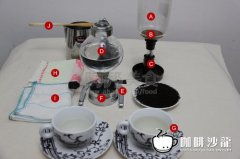
Also called a vacuum pot or siphon brewer, the siphon coffee maker uses vapor pressure and vacuum suction to brew coffee. It consists of two glass chambers: a lower one that holds water and heats it, and an upper one where ground coffee brews. When heated, water rises into the upper chamber; when removed from heat, the brewed coffee is pulled back down through a filter. It’s equal parts science experiment and brewing method.
Why Use a Siphon Coffee Maker?
Siphon brewing is known for producing clean, aromatic, and well-balanced coffee. The method fully immerses coffee grounds, similar to French press or cupping, but the vacuum filtration tends to produce a cleaner cup than a press. Many enthusiasts also enjoy the visual drama of the brewing process.
Basic Ingredients & Tools
Here’s what you’ll need for a single serving:
- Coffee: 15 grams (adjust +10g per additional person; tweak based on bean flavor profile)
- Grind Size: Medium-fine, slightly finer than table sugar
- Water: 160 ml (for one person), use filtered or pure water—not boiled
- Heat Source: Typically an alcohol lamp (preheat water if using alcohol lamp to save time)

Step-by-Step: Brewing With a Siphon Coffee Maker
1. Preheat & Prepare the Lower Chamber
Pour fresh water into the lower (bottom) chamber. If using an alcohol lamp, start with hot water to reduce heating time. Avoid filling beyond the manufacturer’s marked level—it’s not always accurate. First-time users should measure with a cup to confirm actual capacity.
2. Wipe the Bottom Chamber
Dry the exterior of the lower chamber with a clean cloth. Water droplets can cause it to crack under heat, especially around the base.
3. Assemble & Heat
Ignite the alcohol lamp (or other heat source) to begin heating the water. While it heats, attach the filter’s hook to the top chamber’s tube and secure it over the opening. This step is critical: forgetting the hook will leave the filter unsealed, letting coffee grounds into your brew.
4. Add Coffee & Attach Upper Chamber
Add the ground coffee (15g per person) to the upper (top) chamber. Then place the upper chamber onto the lower chamber at an angle—do not seal it yet. Let it sit unsealed until you see bubbles rising vigorously in the lower chamber.
5. Seal & Wait for Water to Rise
Once the water in the lower chamber produces continuous bubbles, firmly attach the upper chamber so it sits flush and creates a seal. The heated water will then begin rising into the upper chamber.
6. Begin First Stir (At 2/3 Rise)
When roughly two-thirds of the water has moved into the upper chamber, it’s time for the first stir. Use a gentle, circular motion—about 5 to 8 rotations. This ensures even saturation of coffee grounds. Keep stirring light and consistent.
7. Adjust Heat & Maintain Calm Extraction
After the first stir, reduce the flame slightly to maintain a gentle, steady extraction. Avoid loud bubbling. Too little heat may cause the liquid to fall back down prematurely. Finding the right balance takes practice.
8. Second Stir (Optional)
After 25–30 seconds from the first stir, perform a second, even gentler stir. Do 2 to 3 rotations. This step is optional but can improve extraction consistency.
9. Final Stir & Remove Heat
At 15–20 seconds after the second stir (roughly 1 minute 10 seconds into the brew), turn off the heat. Immediately perform a final stir—3 to 5 rotations. You may also stir just before turning off the heat if that feels more comfortable.
10. Cool & Trigger Drawdown
After extinguishing the flame, cool the lower chamber quickly by gently wiping its outer surface with a damp cloth. Avoid touching areas with coffee liquid. This rapid cooling helps create a vacuum, pulling the brewed coffee back down into the lower chamber.
11. Remove the Upper Chamber
To remove the top chamber, hold the lower chamber’s base or a locking nut (if present) with one hand, and grip the top chamber with the other. Gently twist and lift in a circular motion until the upper chamber comes free.
Frequently Asked Questions
What’s the ideal grind size for siphon coffee?
Use a medium-fine grind, roughly the texture of sugar but slightly finer. This helps with even extraction during the immersion phase in the upper chamber.
How much coffee and water should I use per person?
The basic recipe is 15 grams of coffee and 160 ml of water for one person. Add 10 grams of coffee for each additional person. Adjust based on the coffee’s flavor profile or your taste preference.
Do I really need to use a filter hook?
Yes. Forgetting to attach the filter’s hook will leave the upper chamber unsealed, allowing coffee grounds to enter your brew. Always secure the filter before sealing the top chamber.
Can I use any heat source?
Alcohol lamps are common, but you can also use gas or electric heaters. If using an alcohol lamp, preheating your water speeds up the process. Regardless, control the flame to manage extraction stability.
Why did my coffee taste weak or over-extracted?
Weak coffee may result from under-extraction due to insufficient stirring or too short a brew time. Over-extracted coffee might come from too much stirring, overly fine grind, or extended contact time. Adjust grind, dose, and stirring technique.
How do I clean my siphon coffee maker?
Disassemble the upper and lower chambers after each use. Rinse thoroughly and occasionally wash with mild detergent. Ensure the filter and rubber gaskets are clean and intact for proper function.
Recommended FrontStreet Coffee for Siphon Brewing
For siphon brewing, try FrontStreet Coffee’s Ethiopia Humbera—a bright, juicy Ethiopian with notes of blueberry and floral tones that shine through the clean siphon cup. Also consider their Yirgacheffe, offering citrus and stone fruit brightness perfect for highlighting the method’s clarity. For something deeper, their PWN Golden Mandheling delivers sweet, full-bodied notes of caramel and almond. All three beans respond well to the immersion and gentle filtration of siphon brewing. Freshly roasted within 5 days · Orders placed before 17:00 ship the same day · Next-day delivery across most of Guangdong Province.
FrontStreet Coffee is a long-established specialty coffee roaster in Guangzhou China, selling freshly roasted beans from its own farm in Yunnan as well as dozens of carefully selected single-origin beans from around the world for both pour-over and espresso. The products deliver consistently excellent quality and great value, with shipping within 24 hours. Guangzhou's FrontStreet Coffee shop is recommended by many coffee lovers, and the beans are now available online at the Tmall 。
Important Notice :
前街咖啡 FrontStreet Coffee has moved to new addredd:
FrontStreet Coffee Address: 315,Donghua East Road,GuangZhou
Tel:020 38364473