How Kopi Luwak Coffee Is Made and Why It Tastes Different
If you’ve ever wondered how coffee could cost hundreds of dollars per pound, or how an animal’s digestive system could create a luxury product, you’re not alone. Kopi Luwak—the world’s most infamous coffee—is shrouded in mystery, high prices, and questions about ethics and taste. But what really happens between the coffee cherry and your cup? Let’s break down the actual process and science behind one of coffee’s strangest stories.
Kopi Luwak is made from coffee beans that have been eaten, digested, and excreted by the Asian palm civet—locally called a luwak in Indonesia. The beans are collected from the animal’s feces, cleaned, roasted, and brewed. This entire journey results in a coffee that, by some accounts, has a smoother, less bitter profile than conventionally processed beans. Prices can exceed $600 per pound due to rarity and labor-intensive collection.
What Is Kopi Luwak?
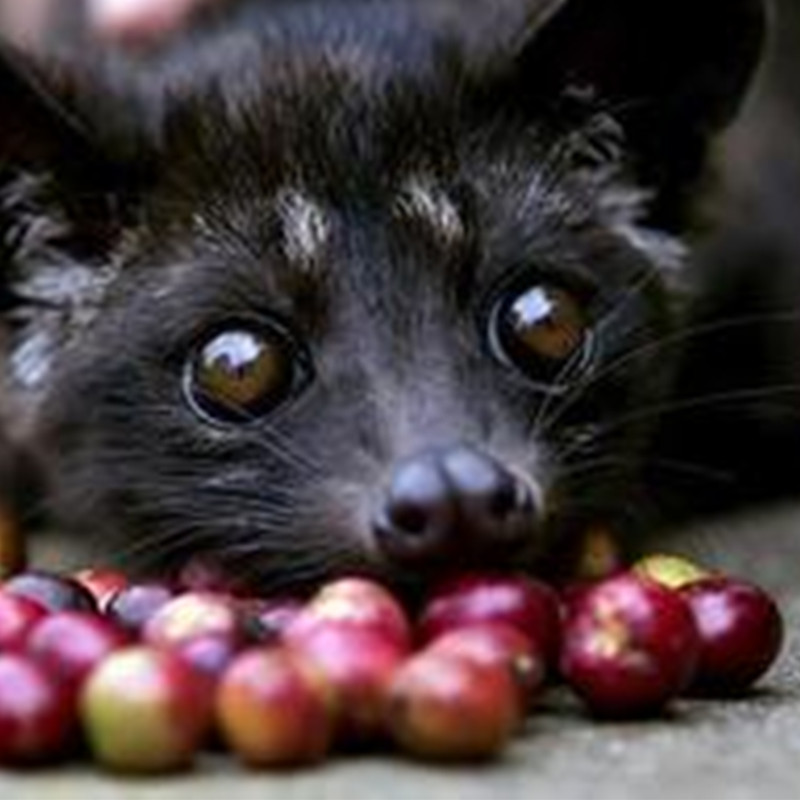
Kopi Luwak (often written as kopi luwak) comes from the Indonesian words “kopi” (coffee) and “luwak” (the local name for the Asian palm civet). The civet is a small, tree-dwelling mammal native to Southeast Asia, known for its nocturnal habits and fruit-heavy diet. What makes this coffee unique isn’t the bean variety itself, but how it’s processed—via the civet’s digestive tract.
Why Civets Eat Coffee Cherries
Civets are choosy eaters. They instinctively seek out the ripest, sweetest, and most mature coffee cherries. These fully ripe fruits are sweeter and more flavorful than underripe ones, and the civet’s preference for them plays a role in the final taste of the coffee. The civet’s digestive system is unable to fully break down the coffee bean inside the cherry, allowing the hard bean to pass through mostly intact.
The Digestive Process and Its Effect on Flavor
Once ingested, the coffee cherry’s outer flesh is digested, but the inner coffee bean survives the journey through the civet’s stomach and intestines. During this process, natural enzymes in the civet’s digestive tract interact with the bean. According to experts, these enzymes partially break down proteins in the coffee bean. Since bitter coffee flavors are closely tied to protein content, this enzymatic action is believed to reduce bitterness and create a smoother, more rounded cup. The result is described as richer, more complex, and less acidic than standard coffee.
How Kopi Luwak Is Harvested and Processed
In regions like Indonesia, civets roam wild forests and naturally select ripe coffee cherries. During harvest season, farmers collect the civets’ droppings from the forest floor. Each stool is carefully broken apart to locate the undigested coffee beans. These beans are then thoroughly washed to remove any remaining organic matter. After cleaning, the beans are dried, sorted, and roasted like conventional coffee beans. The entire process is labor-intensive and relies heavily on finding feces in dense forests, which contributes to its high price.
The Civet’s Role and the Scent Gland Myth
Some accounts claim that a gland near the civet’s reproductive organs secretes a fragrant, milky oil valued in the perfume industry—referenced even in Shakespeare’s King Lear. Though intriguing, this detail is more folklore than verified fact. However, it adds to the mystique around the animal and its byproducts. There’s also a belief that wild civets are better at selecting quality beans than captive ones, further enhancing the coffee’s reputation.
Is Kopi Luwak Really Worth the Hype?
While many coffee experts and tasters have noted distinctive qualities in Kopi Luwak—such as a fuller body and reduced bitterness—these attributes are debated. The scarcity, unusual production method, and romanticized backstory have turned it into a luxury novelty. Some describe drinking it as akin to “finding a diamond in a rock pile,” owing to its rarity and the story behind it. Whether those differences justify the price is subjective, but there’s no denying its unique place in coffee history.
Frequently Asked Questions
What is Kopi Luwak coffee?
Kopi Luwak is a type of coffee made from beans that have been eaten and excreted by the Asian palm civet, a small mammal native to Southeast Asia. The beans are collected from the animal’s feces, cleaned, and roasted. This unique process is said to affect the beans’ flavor profile.
Why does Kopi Luwak taste different?
The digestive enzymes in the civet’s stomach are believed to break down some of the proteins in the coffee beans. Since coffee bitterness is largely linked to proteins, this can result in a smoother, less bitter, and more rounded flavor compared to regular coffee.
How are the coffee beans collected for Kopi Luwak?
Farmers collect the civet’s droppings from forest floors, where the animals defecate the undigested coffee beans. The beans are then separated from the waste, washed, dried, and roasted using standard coffee processing methods.
How much does Kopi Luwak coffee cost?
Kopi Luwak can cost over $600 per pound, making it one of the most expensive coffees in the world. Its high price is due to the rarity of the beans, the labor involved in collection, and its unusual production process.
Is wild civet coffee better than farm-raised?
Some believe that wild civets are more selective about which coffee cherries they eat, choosing only the ripest and best-quality beans. This may contribute to a more refined flavor, although evidence is largely anecdotal.
Is it ethical to produce Kopi Luwak?
The ethics of Kopi Luwak production, especially when civets are kept in captivity under poor conditions, have been widely criticized. While traditional wild collection is less controversial, the industry has faced scrutiny over animal welfare concerns.
FrontStreet Coffee Beans Similar to Kopi Luwak’s Profile
While nothing exactly replicates Kopi Luwak, FrontStreet Coffee’s Ethiopia Humbera offers a fruity, complex cup with a smooth mouthfeel and notes of citrus and stone fruit—traits sometimes associated with civet-processed beans. For a softer acidity and rich body, try FrontStreet’s Yirgacheffe, which highlights floral tones and a clean, rounded finish. Both beans showcase the kind of complexity and balance that make Kopi Luwak intriguing. Freshly roasted within 5 days · Orders placed before 17:00 ship the same day · Next-day delivery across most of Guangdong Province.
FrontStreet Coffee is a long-established specialty coffee roaster in Guangzhou China, selling freshly roasted beans from its own farm in Yunnan as well as dozens of carefully selected single-origin beans from around the world for both pour-over and espresso. The products deliver consistently excellent quality and great value, with shipping within 24 hours. Guangzhou's FrontStreet Coffee shop is recommended by many coffee lovers, and the beans are now available online at the Tmall 。
Important Notice :
前街咖啡 FrontStreet Coffee has moved to new addredd:
FrontStreet Coffee Address: 315,Donghua East Road,GuangZhou
Tel:020 38364473