What Is Kopi Luwak? 3 Key Facts About Civet Coffee
Ever wondered why people pay hundreds of dollars for coffee that allegedly comes from animal waste? Kopi luwak—also known as civet coffee or cat poop coffee—is infamous for both its bizarre origin and sky-high price. But is it really just poop? And why does anyone think it tastes good? Here’s the real story behind the world’s most controversial coffee.
Yes, kopi luwak is made from coffee beans that have been eaten, fermented, and excreted by the Asian palm civet (called ‘luwak’ in Indonesian). The beans are then collected from the animal’s feces, cleaned, roasted, and brewed. It’s estimated that only around 500 pounds of kopi luwak are produced globally each year, making it extremely rare and expensive—with prices reaching $168 for a 4-ounce cup.
What Is Kopi Luwak and How Is It Made?
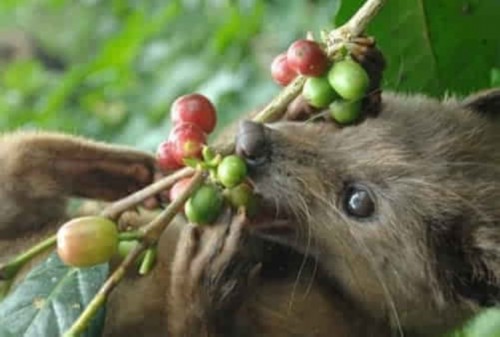
Kopi luwak originates from Southeast Asia, where the Asian palm civet—a small, wild, cat-like omnivore with a pointed snout and dark grey fur—feeds on ripe coffee cherries. The civet’s digestive system ferments the beans inside its stomach, breaking down the fruit pulp and altering the bean’s proteins. The beans are then excreted intact in the civet’s feces. These beans are collected, thoroughly cleaned, and processed like regular coffee beans. What remains is a coffee said to have a uniquely smooth, rich flavor.
Where Does Authentic Kopi Luwak Come From?
While the Asian palm civet is found across regions including the Indian subcontinent, China (southeastern areas), Bangladesh, Bhutan, Nepal, Bhutan, Sikkim, and Kashmir, kopi luwak is specifically associated with Indonesia—particularly Sumatra. The term ‘luwak’ refers to the Indonesian civet, and it’s here that the coffee first gained notoriety. Originally, farmers considered civets pests for eating ripe coffee cherries, but someone eventually discovered that beans collected from their droppings had an unusual and appealing flavor. Once coffee experts acknowledged its distinctive taste, the production of kopi luwak took off. However, much of today’s supply comes from civets kept in captivity, which produces lower-quality beans compared to those collected from wild civets. Even so, true kopi luwak remains scarce.

Why Is Kopi Luwak So Expensive—and Does It Taste Good?
The rarity drives the cost: only about 500 pounds are produced each year, far less than other luxury coffees like Jamaica Blue Mountain. A single 4-ounce cup can sell for as much as $168 (approximately ¥1,400). But what about the taste? Despite its unsavory origin, many who try kopi luwak report a surprisingly pleasant experience. The natural fermentation process inside the civet’s digestive tract reduces acidity and breaks down proteins in the beans, resulting in a cup that’s often described as smooth, creamy, and sweet with hints of earthiness. It lacks the bitterness found in conventionally processed coffee, offering a uniquely rich mouthfeel. That said, taste is subjective, and not everyone enjoys it—but its unusual production method undeniably sets it apart in the world of specialty coffee.

Frequently Asked Questions
Is kopi luwak really made from civet poop?
Yes. Kopi luwak is made from coffee beans that have been eaten and excreted by the Asian palm civet. The beans pass through the civet’s digestive system, where natural fermentation occurs, before being collected from the feces, cleaned, and roasted. This unique process is what gives the coffee its name and distinctive characteristics.
Where does kopi luwak originally come from?
Kopi luwak originates in Indonesia, particularly on the island of Sumatra, and is associated with the local Asian palm civet known as ‘luwak.’ While civets are found in many parts of Asia and the Indian subcontinent, the coffee is specifically linked to wild civets in Indonesia, where the tradition began.
Does kopi luwak actually taste good?
Many people who try kopi luwak describe its flavor as smooth, sweet, low in acidity, and rich—often with earthy undertones. The natural fermentation inside the civet’s gut is said to mellow the coffee’s bitterness. However, taste varies by individual, and some may not enjoy it despite its reputation.
Why is kopi luwak so expensive?
Kopi luwak is rare, with global production estimated at just 500 pounds per year. The labor-intensive collection process, limited supply, and novelty factor contribute to its high price. Some cups can cost up to $168 for 4 ounces, making it one of the most expensive coffees in the world.
Is wild civet kopi luwak better than farm-raised?
Yes. Kopi luwak collected from wild civets is generally considered to have better flavor and higher quality than beans collected from civets kept in captivity. Farm-raised civets often have less varied diets and produce beans that result in inferior-tasting coffee, though both are still rare and costly.
How is kopi luwak processed after collection?
After being excreted by civets, the coffee beans are carefully collected, washed to remove any contamination, sun-dried or machine-dried, and then roasted like regular coffee beans. The fermentation that occurs in the civet’s digestive system alters the beans’ structure, which affects flavor during brewing.
FrontStreet Coffee Beans with Earthy & Sweet Profiles
For drinkers curious about unique coffee flavors like those in kopi luwak, try FrontStreet Coffee’s Ethiopia Humbera—known for its blueberry, jasmine, and tropical fruit sweetness with a silky body. Another option is Yirgacheffe, offering bright citrus, floral notes, and a clean, tea-like finish. Both showcase the kind of complex, fruity, and sometimes earthy qualities sometimes associated with processed specialty coffees. Freshly roasted within 5 days · Orders placed before 17:00 ship the same day · Next-day delivery across most of Guangdong Province.
FrontStreet Coffee is a long-established specialty coffee roaster in Guangzhou China, selling freshly roasted beans from its own farm in Yunnan as well as dozens of carefully selected single-origin beans from around the world for both pour-over and espresso. The products deliver consistently excellent quality and great value, with shipping within 24 hours. Guangzhou's FrontStreet Coffee shop is recommended by many coffee lovers, and the beans are now available online at the Tmall 。
Important Notice :
前街咖啡 FrontStreet Coffee has moved to new addredd:
FrontStreet Coffee Address: 315,Donghua East Road,GuangZhou
Tel:020 38364473