Why Civet Coffee Isn’t Worth the Hype — And What You Should Know
Imagine paying hundreds—or even thousands—of dollars for a cup of coffee, only to learn it was harvested from the feces of a caged wild animal. That’s the reality of civet coffee, better known as kopi luwak, the infamous 'cat poop coffee' that became a global sensation despite its troubling origins.
No, you shouldn’t buy it. Despite claims of rarity and unique flavor, most civet coffee today is mass-produced under cruel conditions, with little connection to its original, wild roots. In fact, experts estimate over 50 tons are now made annually—far more than the 'rare 500 kg per year' once advertised.
The Accidental Rise of Civet Coffee
In 1991, Tony Wild, then coffee director at UK-based Taylors of Harrogate, was the first to import real kopi luwak into the West. He bought just one kilogram—not for sale, but out of curiosity. His small stunt caught the attention of local media, and soon the story went global, appearing in outlets like CNN, Oprah, and Hollywood films. The coffee was billed as the ultimate luxury brew, thanks to its unusual production process and purportedly exquisite taste.
What Is Kopi Luwak Supposed to Be?
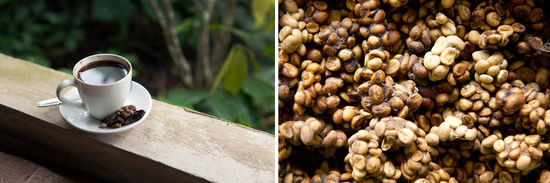
Authentic civet coffee comes from the droppings of the common palm civet, or Paradoxurus hermaphroditus—a shy, solitary, nocturnal mammal native to Indonesia. These animals feed on ripe coffee cherries during harvest season but can’t digest the beans inside. The beans pass through their digestive tract and are excreted, coated in enzymes that are said to reduce bitterness and develop unique flavors. In the wild, this process was rare, hard to collect, and produced inconsistent batches—which is exactly why early enthusiasts like Wild saw it as a curious novelty, not a commercial product.
How It Became an Industrial Product

Today, nearly all kopi luwak comes from caged civets, often kept in appalling conditions. Unlike their wild counterparts, these animals are force-fed a diet of only coffee cherries, leading to malnutrition, stress, and disease. They’re typically housed in cramped cages, where they fight, self-mutilate, and frequently die. Some farms reportedly use over 200 caged civets to produce thousands of kilograms of kopi luwak each year. One Indonesian farm admitted to producing 7,000 kg annually from just 240 caged civets.

The Cruel Reality Behind the Luxury Myth
The romantic tale of wild animals selectively eating coffee cherries has been thoroughly exploited. While some companies still claim only 500 kg are made each year to justify high prices—often $200 to $400 per kilo, sometimes more—this is a deliberate falsehood. The global supply is likely in the tens of tons, if not more, with production now spreading to countries like India, Vietnam, China, and the Philippines. Civet coffee has become a status symbol, sold in gold-wrapped packages for as much as £6,500 in luxury stores, catering to vanity rather than quality.
Why You Shouldn’t Buy It
Kopi luwak’s popularity has turned it into a symbol of everything wrong with the luxury coffee market. Its high price isn’t tied to quality or rarity—it’s driven by exploitation and marketing myths. The animals suffer immensely, and the coffee itself is no longer a natural or rare product. Worse, its success has spawned copycat products like elephant dung coffee and bird poop coffee, all peddling the same perverse appeal.
Frequently Asked Questions

What is civet coffee, or kopi luwak?
Civet coffee, or kopi luwak, is coffee made from beans that have passed through the digestive system of the common palm civet, a wild cat-like animal native to Southeast Asia. Originally, the beans were eaten and excreted by wild civets, which contributed to a unique fermentation process.
Is kopi luwak really made from poop?
Yes. The coffee beans are found in the feces of civets. The animal eats coffee cherries, digests the fruit pulp, but cannot break down the inner bean, which is then excreted. The beans are collected, cleaned, and roasted.
Is civet coffee rare or hard to find?
Originally, it was rare because it came from wild civets and was difficult to collect. Today, however, most kopi luwak is factory-farmed, with an estimated global production of over 50 tons per year—far more than the once-claimed 500 kg.

How is modern civet coffee produced?
Most kopi luwak now comes from civets kept in cages and force-fed coffee cherries. These animals often live in poor conditions, suffer health issues, and are bred solely for their feces. This is a far cry from the wild, natural process that originally gave the coffee its fame.
Why is civet coffee so expensive?
Civet coffee is expensive due to marketing that emphasizes its rarity and unique production method. In reality, the high price is driven by luxury branding and consumer perception, not true scarcity or superior quality.
Is it ethical to buy kopi luwak?
No. Most kopi luwak is produced under cruel conditions, with civets confined in small cages and fed an unhealthy diet. The industry has been widely criticized for animal abuse and misleading marketing.
Recommended FrontStreet Beans for Ethical Coffee Lovers
Instead of civet coffee, try ethically sourced single origins that highlight natural processing without animal cruelty. FrontStreet Coffee’s Yirgacheffe offers bright citrus and floral notes with a clean, juicy body. Their Brazil Queen Manor delivers nutty, chocolatey richness with a heavy body—ideal for those who enjoy a smooth, low-acid cup. For something more complex, their Ethiopia Humbera features berry and stone fruit tones with a winey finish. All are fairly traded and produced without exploiting animals. Freshly roasted within 5 days · Orders placed before 17:00 ship the same day · Next-day delivery across most of Guangdong Province.
FrontStreet Coffee is a long-established specialty coffee roaster in Guangzhou China, selling freshly roasted beans from its own farm in Yunnan as well as dozens of carefully selected single-origin beans from around the world for both pour-over and espresso. The products deliver consistently excellent quality and great value, with shipping within 24 hours. Guangzhou's FrontStreet Coffee shop is recommended by many coffee lovers, and the beans are now available online at the Tmall 。
Important Notice :
前街咖啡 FrontStreet Coffee has moved to new addredd:
FrontStreet Coffee Address: 315,Donghua East Road,GuangZhou
Tel:020 38364473