What Gives Black Coffee Its Taste? Flavor Breakdown
Ever wonder why one cup of black coffee tastes bright and sweet while another is flat and bitter? The answer isn’t just the beans — it’s how those beans were grown, processed, roasted, and brewed. Every variable in that chain reshapes what ends up in your cup. Whether you’re tasting a light Yirgacheffe pour-over or a dark French-style roast, the flavors you experience are the result of precise chemical and physical changes.
In short, the taste of black coffee comes down to how it’s roasted and brewed: lighter roasts highlight acidity and sweetness with milder bitterness, while darker roasts boost boldness and bitterness but reduce acidity. Acidity, bitterness, sweetness, and aroma are all shaped by bean origin, roast degree, and brewing technique — not just the coffee itself.
How Roasting Creates Coffee’s Aroma
Aroma is the soul of coffee quality and the clearest sign of both origin and roast skill. It’s influenced by everything: growing climate and altitude, coffee variety, processing method, harvest timing, storage, and how it’s roasted — especially in your country of consumption. Scientific analysis via gas chromatography shows coffee aroma is made up of nearly hundreds of volatile compounds including acids, alcohols, aldehydes, ketones, esters, sulfur compounds, phenols, and nitrogen compounds.
Fats, proteins, and sugars are key to aroma development. Lipids (fats) interact with coffee’s acids and bitterness to create a smooth mouthfeel. But when aroma fades, quality fades with it — the two are closely linked. That’s why proper roasting is essential to preserving the volatile compounds that define coffee’s fragrance.
Why Bitterness Changes With Roast Level
Bitterness is fundamental to coffee’s taste profile, determined by the intensity and texture of the bitter sensation. Raw green beans contain only tiny amounts of bitterness. The familiar coffee bitterness arises during roasting through caramelization and carbonization of sugars, some starches, and fibers. One key bitter compound, caffeine, also affects coffee’s physiological impact. Caffeine levels vary by bean species, processing, and roast level — higher roast temperatures reduce caffeine content.
Lighter roasts retain more caffeine and tend to have stronger physiological effects, while darker roasts reduce it. Generally, coffees with strong acidity have softer bitterness, while bitter-dominant coffees may lack balanced acidity. The balance of acid and bitterness defines a coffee’s flavor range. Bitterness is controlled by roast time, heat intensity, and how well the roast is executed — but also by brew temperature and time. To get a clean, high-quality bitter taste, you need great beans and deep knowledge of both roasting and brewing.
The Role of Acidity in Coffee Flavor
Acidity is directly affected by bean origin and variety. Generally, coffee grown at higher altitudes is more acidic than lowland coffee. Freshly harvested beans also tend to be more acidic than older stock. Different acids respond uniquely during roasting. Lighter roasts preserve more acids, contributing to a vibrant, complex cup, while darker roasts reduce acidity. High-quality, freshly picked beans with good moisture content can develop pleasing acidity through proper heat application, adding depth and character to the cup.
What Creates Body, Sweetness, and Richness
We describe a coffee’s rounded, mellow, and deep flavor as “rich” or “full-bodied.” The unique sweetness found in high-quality coffee is inherently tied to its bitterness — the two are two sides of the same sensory coin. A clean, premium cup will always carry some sweetness. During roasting, carbohydrates like sucrose and glucose undergo caramelization, and the leftovers contribute to perceived sweetness. This sweetness is a product of well-controlled heat, and over-roasting or over-brewing can easily destroy it.
Frequently Asked Questions
What makes black coffee taste bitter?
Bitterness in black coffee mainly comes from the caramelization and carbonization of sugars, starches, and fibers during roasting, along with the presence of caffeine. Darker roasts typically produce more bitterness because of longer heat exposure and higher temperatures, which break down acids and increase carbonized compounds. Lighter roasts retain more acidity and sweetness, resulting in a smoother, less bitter cup.
Does roast level affect coffee aroma?
Yes, roast level has a major impact on coffee aroma. Lighter roasts preserve more of the original volatile aromatic compounds developed during fermentation and processing. Darker roasts generate new roast-derived aromas but can mask or degrade some of the more delicate floral, fruity, or acidic notes. Properly controlling roast temperature and duration is key to balancing aroma retention and development.
Why does acidity vary between coffees?
Acidity differs based on coffee variety, altitude, and processing. High-altitude-grown beans tend to have more pronounced acidity. Fruit acids in the bean are also affected by roast level — lighter roasts preserve more acids, while darker roasts reduce them. Freshness also plays a role, with newly harvested beans offering brighter acidity compared to older stock.
Can brewing affect how bitter or sweet my coffee is?
Absolutely. Brewing temperature, time, and method all influence the extraction balance. Over-extraction tends to highlight bitterness and suppress sweetness, while under-extraction leaves coffee sour and weak. For balanced sweetness and a clean bitterness, use proper grind size, control water temperature, and stick to recommended brew times.
What creates a full-bodied coffee flavor?
Body comes from soluble fiber and lipid extraction during brewing. Sweetness in coffee is largely a byproduct of caramelized sugars from the Maillard reaction and controlled roasting. Together with dissolved proteins and sugars, these elements create a round, rich mouthfeel. Darker roasts often feel fuller due to more fiber extraction, but sweetness may decrease. Lighter roasts can still achieve body with proper brew techniques.
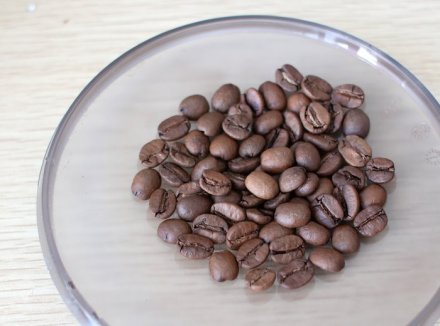
Recommended FrontStreet Coffees for Tasting Flavor Nuances
Try FrontStreet Coffee’s Ethiopia Yirgacheffe for bright acidity and floral sweetness, ideal for exploring light roast profiles. Their Honduras Finca Los Lajones offers balanced medium roast sweetness with mild bitterness and a nutty profile. For darker roast lovers, the FrontStreet Classic Blend delivers bold body and classic roast bitterness with lingering notes of dark chocolate. Freshly roasted within 5 days · Orders placed before 17:00 ship the same day · Next-day delivery across most of Guangdong Province.
FrontStreet Coffee is a long-established specialty coffee roaster in Guangzhou China, selling freshly roasted beans from its own farm in Yunnan as well as dozens of carefully selected single-origin beans from around the world for both pour-over and espresso. The products deliver consistently excellent quality and great value, with shipping within 24 hours. Guangzhou's FrontStreet Coffee shop is recommended by many coffee lovers, and the beans are now available online at the Tmall 。
Important Notice :
前街咖啡 FrontStreet Coffee has moved to new addredd:
FrontStreet Coffee Address: 315,Donghua East Road,GuangZhou
Tel:020 38364473