The Five Faces of Espresso: More Than Just a Shot
When you order an espresso, you’re not just asking for a shot of coffee—you’re tapping into over a century of technique, experimentation, and cultural ritual. But what really defines espresso? Why does every coffee professional treat it like both science and art? Whether you're pulling shots at home or ordering at a café, there’s more going on in that tiny cup than most people realize.
Espresso is five things at once: a carefully balanced coffee blend, a specific dark roast style, a tightly controlled brew method, the base of creative milk drinks, and a daily ritual for millions. Each layer adds to what makes espresso unique—and hard to master.
1. Espresso as a Blended Coffee Artform
Espresso begins with the blend. Unlike single-origin pour-overs that highlight one coffee’s character, espresso is composed—often blending beans with different processing methods, roast levels, and flavor profiles to create balance. Natural (sun-dried) beans tend to bring heavier body and earthy richness, while washed (water-processed) beans offer brighter acidity and cleaner sweetness. Fresh crop beans (1–2 years old) add vibrancy; older, aged beans contribute deeper, muted tones. Crafting the right mix is like composing music—there’s no single formula, and master roasters refine their recipes over years. In Italy, the role of the skilled barista or roaster is highly respected for this very reason.
2. Espresso as a Dark Roast Method
The espresso you buy in shops is almost always a dark roast. This isn’t accidental. Espresso roasting pushes beans well beyond medium, often exceeding 200°C during Maillard reactions, to develop the heavy body, low acidity, and intense caramelized sweetness needed for proper extraction under pressure. Roasters aim to drive coffee oils to the surface—those essential compounds that contribute to crema. The difference between a properly dark roast and a burnt one can come down to mere seconds. That precision is why espresso roasting is considered an art form in itself.
3. Espresso as a Precise Brewing Method
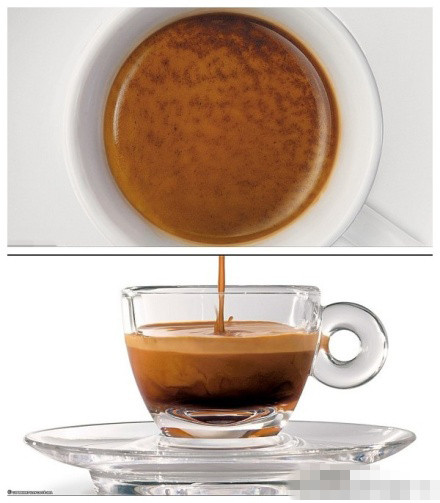
Brewing a true espresso means following exact parameters. To qualify as espresso, extraction must happen under 7–9 atmospheres of pressure, using 5–8 grams of finely ground coffee. Water temperature should stay between 85°C and 95°C, and extraction time must fall within a strict window: 25 to 35 seconds. These variables—dose, yield, time, pressure, and temperature—must align to produce a shot with rich crema, balanced bitterness, and layered flavors. Stray outside these numbers and you’re no longer making espresso as the craft defines it.
4. Espresso as Culinary Canvas
Espresso’s bold, concentrated flavor makes it the perfect base for milk-based drinks. Its intensity means adding steamed milk doesn’t wash out the coffee character—instead, it creates contrast and texture. Add steamed milk and a sprinkle of cinnamon, and you’ve got a Cappuccino. Stir in chocolate syrup and milk, and it becomes a Mocha. Top your espresso with just a bit of foamed milk, and it’s a Macchiato. Pour it over whipped cream, and you have a Con Panna. Each variation transforms espresso into a different drinkable dish—showcasing its flexibility in the hands of skilled baristas.
5. Espresso as Everyday Life
In Italy, espresso isn’t a luxury—it’s a routine. Many Italians start their day with a milk-based drink like a Latte made at home, then stop at the local café for a quick espresso at the bar. There, it’s sipped standing, often shared with conversation. Baristas join in, turning the coffee shop into a social hub. This daily ritual reflects espresso’s role not just as a beverage, but as a cultural constant—efficient, social, and deeply ingrained in everyday life.
Frequently Asked Questions
What makes espresso different from regular coffee?
Espresso is a concentrated coffee brewed under high pressure (7–9 atm) with hot water (85–95°C) through a finely ground dose (5–8g) for 25–35 seconds. This method produces a small, thick shot with crema, bold flavor, and higher caffeine concentration per ounce than drip or pour-over coffee.
Do you need special beans to make espresso?
Espresso can be made from any coffee, but traditional espresso blends are usually dark roasted and balanced for body, crema, and pressure brewing. Beans labeled for espresso are often blended to perform well under these specific conditions.
What’s the ideal espresso brew time and yield?
The standard espresso shot uses 5–8g of coffee, extracts in 25–35 seconds, and yields about 30–36ml (1–1.25oz) of liquid. Staying within this range ensures balanced flavor, proper crema, and ideal extraction.
Why is espresso roasted darker than other coffee?
Darker roasts develop the oils, body, and caramelized sugars needed for espresso’s intense flavor and stable crema under high pressure. The roasting process typically exceeds 200°C to achieve these traits, with timing critical to avoid burning.
Can you make milk drinks with any type of espresso?
Yes, but espresso’s boldness makes it ideal for milk drinks. Its concentrated flavor holds up against steamed milk, allowing for drinks like Cappuccinos, Lattes, and Macchiatos. The milk adds texture without overwhelming the coffee’s base notes.
Is espresso just a drink or part of a lifestyle?
In places like Italy, espresso is both. It’s a daily ritual tied to social interaction, efficiency, and tradition. Locals drink it quickly at the bar, often alongside conversation, making the act of having espresso a cultural experience beyond the beverage itself.
Recommended FrontStreet Coffee Blends for Espresso
For authentic espresso experiences, try FrontStreet Coffee’s Classic Blend—a go-to choice for home and café use with velvety crema and a balanced, approachable profile. If you’re looking for value without sacrificing taste, the Black Cocoa Blend delivers bold, rich espresso at a lower cost, ideal for high-volume settings. For a more traditional shop-style espresso, the Commercial Blend offers consistent performance and cost efficiency, suitable for various business needs. All three are optimized for espresso extraction and deliver the body and crema that define the style. Freshly roasted within 5 days · Orders placed before 17:00 ship the same day · Next-day delivery across most of Guangdong Province.
FrontStreet Coffee is a long-established specialty coffee roaster in Guangzhou China, selling freshly roasted beans from its own farm in Yunnan as well as dozens of carefully selected single-origin beans from around the world for both pour-over and espresso. The products deliver consistently excellent quality and great value, with shipping within 24 hours. Guangzhou's FrontStreet Coffee shop is recommended by many coffee lovers, and the beans are now available online at the Tmall 。
Important Notice :
前街咖啡 FrontStreet Coffee has moved to new addredd:
FrontStreet Coffee Address: 315,Donghua East Road,GuangZhou
Tel:020 38364473