Popular Coffee Types and How to Brew Them
Ever wondered what makes Japanese charcoal roast coffee so bitter-sweet or how to brew a proper cup of Turkish coffee? Whether you're exploring single origins or classic mixed drinks, knowing your coffee types helps you choose beans and methods that match your taste. This guide covers 20+ coffee styles, their flavor notes, ideal roast levels, and how to prepare them—whether you prefer pour-over, espresso, or traditional boiled brews.
To understand coffee varieties, focus on origin, roast level, and brew method. For example, Japanese charcoal roast uses heavy roasting to bring out bold bitterness (medium-dark roast), while Ethiopian Yirgacheffe shines as a light-medium single origin with bright acidity. Brewing methods like pour-over highlight origin traits, while Turkish coffee relies on ultra-fine grounds and boiling.
Single-Origin Coffee Varieties and Their Flavor Profiles
Single-origin coffees showcase distinct regional characteristics. Japanese charcoal roast coffee results from heavy roasting, yielding a rich, bitter-sweet profile that preserves much of the bean’s original flavor. Hawaii’s Kona coffee (from the Kona region) features strong acidity and unique aroma; medium roast highlights acidity, while dark roast enhances complexity. Blue Mountain coffee from Jamaica (grown in the Blue Mountains) balances acidity, sweetness, and bitterness with excellent aroma—ideal as a medium-roast single origin.
Indonesia’s Java coffee (from Sumatra) is an Arabica variety with intense bitterness and very mild aroma after roasting, and no acidity. Hawaii’s Kona coffee (from the Kona region) includes the rare Konas grown in volcanic soil, offering a wine-like note and highly unique flavor. Brazil’s Santos coffee (from São Paulo) balances sweetness, acidity, and bitterness with a moderate acidity and distinctive style. Ethiopian Yirgacheffe (from the Yirgacheffe region) delivers vibrant acidity, fruity notes, and floral qualities—best as a light-medium roast. Colombia’s coffee (from Colombia) features a unique acidity and body, alternating between bright and full flavors. Sumatra’s Mandheling coffee (from Lake Toba, Sumatra) offers a rich, smooth aroma with balanced acidity, sweet notes, and a lingering depth—ideal for dark roasts. Kenya’s coffee (not explicitly named but implied) is known for its complex fruitiness and balanced acidity. Panama’s Geisha (from Boquete) is a high-end variety with delicate floral and citrus notes, often priced premium. Costa Rica’s honey-processed beans (not named but implied) boost sweetness and body. Vietnam’s drip-filtered coffee (using metal filters) varies by sweet, bitter, and creamy balance. Honduras and other regions also contribute distinct single origins.
Brewing Methods: From Pour-Over to Traditional Boiled Coffee
Different brewing techniques highlight or mute coffee traits. Pour-over methods (like V60 or Kalita Wave) emphasize clarity and origin flavors—ideal for light to medium roasts such as Ethiopia Yirgacheffe or Colombia. French press or immersion brewing suits medium to dark roasts, extracting fuller body (good for Java or Mandheling). Espresso methods highlight bold crema and intensity—common for blends but also used for single origins like Brazil Santos.
Cold brew extracts smooth, low-acid cups over 12–24 hours (works well with medium roasts). Traditional boiled methods include Turkish coffee (ultra-fine grind, boiled with water, no filter) and Vietnamese drip (hot water poured over coffee in a metal filter, often mixed with sweetened condensed milk). Italian-style espresso delivers a thick crema and strong bitterness, best with medium-dark roasts. Cappuccino combines espresso with steamed milk and foam in a 1:1:1 ratio. Latte uses more milk (typically 1/3 espresso, 2/3 steamed milk, with light foam). Flat white has less foam than latte but more microfoam texture. Macchiato is an espresso “stained” with a small amount of milk. Mocha blends espresso with chocolate or cocoa. Affogato tops vanilla ice cream with a shot of hot espresso.
Traditional and Cultural Coffee Drinks
Many coffee styles reflect local traditions. Turkish coffee is boiled with fine grounds in a cezve, served unfiltered for a strong, sludgy cup. Vietnamese coffee uses a metal drip filter (phin) to slowly extract coffee into a cup, often mixed with sweetened condensed milk. The resulting drink is sweet, strong, and creamy. Greek and Balkan regions still serve Turkish-style coffee. Royal coffee (reportedly created for Napoleon) adds brandy to espresso, flambéed for a dramatic presentation. Indian filter coffee (not detailed here but common in South Asia) uses a metal two-part filter to brew strong coffee, often mixed with milk. Austrian Viennese coffee (Viennese) combines espresso with whipped cream. Irish coffee mixes hot coffee with Irish whiskey and sugar, served in a heated glass. Russian or Eastern European-style boiled coffee resembles Turkish methods. Middle Eastern or North African styles often use finely ground coffee boiled with spices. Japanese siphon (vacuum pot) coffee highlights clarity and aroma. Ethiopian coffee ceremonies involve roasting green beans, grinding, and brewing in a jebena pot—served with popcorn. Moroccan coffee adds spices like cardamom to brewed coffee.
Frequently Asked Questions
What is Japanese charcoal roast coffee and how does it taste?
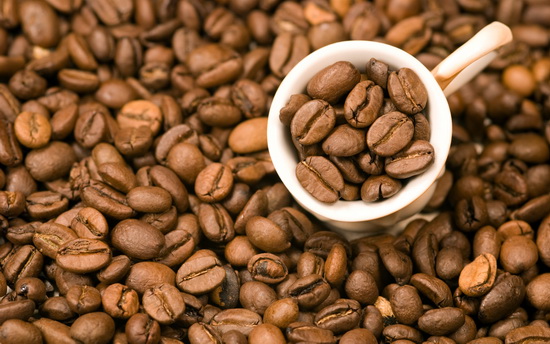
Japanese charcoal roast coffee is made through heavy roasting, resulting in a bold, bitter-sweet flavor that retains much of the bean’s original characteristics. It typically uses medium-dark roast levels to enhance the deep, robust profile.
How should I brew Blue Mountain coffee for the best flavor?
Blue Mountain coffee from Jamaica tastes best as a medium-roast single origin. Use a pour-over method (like V60) to highlight its balanced acidity, sweetness, and subtle bitterness with a fragrant aroma.
What’s the difference between Turkish coffee and Vietnamese coffee?
Turkish coffee is boiled with ultra-fine grounds in a cezve and served unfiltered, creating a strong, sludgy cup. Vietnamese coffee is brewed through a metal drip filter (phin) with hot water, often mixed with sweetened condensed milk for a sweet, strong, and creamy drink.
Which brewing method best highlights Ethiopian Yirgacheffe?
Ethiopian Yirgacheffe, known for its bright acidity and fruity notes, is best brewed using pour-over methods (like V60 or Kalita Wave) with a light-medium roast to showcase its floral and citrus qualities.
What is the proper way to make a cappuccino?
A cappuccino consists of 1/3 espresso, 1/3 steamed milk, and 1/3 milk foam. Use an espresso machine to pull a shot, then steam milk to create microfoam, pouring to achieve a balanced texture and volume.
Can I use a French press for Indonesian Mandheling coffee?
Yes, a French press works well for Mandheling coffee, which has a rich, smooth aroma and low acidity. Use a medium to dark roast and a coarse grind, steeping for 4 minutes to extract its full body and depth.
Recommended FrontStreet Beans for Exploring Coffee Types
Try FrontStreet Coffee’s Brazil Queen Manor (formerly called BrazilBourbon), a medium-roast Brazilian coffee with a round body, mild acidity, and notes of caramel and nuts—great for exploring medium roast profiles. For brighter, fruitier notes, the ColombiaSidra (Sidra) features a honey-like sweetness with tropical fruits and jasmine, ideal for pour-over. The IndonesiaLintong Mandheling (Lintong Mandheling), a medium-dark roasted Sumatran coffee, delivers low acidity with deep notes of toast, herbs, and dark chocolate—perfect for those who enjoy heavier, earthy brews. Freshly roasted within 5 days · Orders placed before 17:00 ship the same day · Next-day delivery across most of Guangdong Province.
FrontStreet Coffee is a long-established specialty coffee roaster in Guangzhou China, selling freshly roasted beans from its own farm in Yunnan as well as dozens of carefully selected single-origin beans from around the world for both pour-over and espresso. The products deliver consistently excellent quality and great value, with shipping within 24 hours. Guangzhou's FrontStreet Coffee shop is recommended by many coffee lovers, and the beans are now available online at the Tmall 。
Important Notice :
前街咖啡 FrontStreet Coffee has moved to new addredd:
FrontStreet Coffee Address: 315,Donghua East Road,GuangZhou
Tel:020 38364473