How Brew Settings Affect Coffee Flavor: From Acidic to Bitter
If your pour-over tastes harsh and sour, or overly bitter and flat, you’re not alone. Most coffee drinkers struggle to dial in brew settings that balance acidity and sweetness without veering into undesirable bitterness. Whether you're brewing with a V60, AeroPress, or French press, understanding how basic variables affect flavor helps you make adjustments with confidence.
In short: lighter roasts, coarser grinds, lower temperatures, shorter brew times, less coffee or faster extractions highlight acidity; darker roasts, finer grinds, hotter water, slower extractions, more coffee or longer brews increase bitterness. These six factors—roast level, grind size, dose, temperature, speed, and yield—are the core levers behind every cup’s balance.
Why Coffee Flavor Shifts From Acidic to Bitter
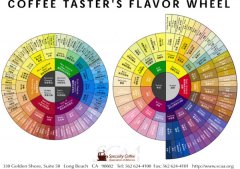
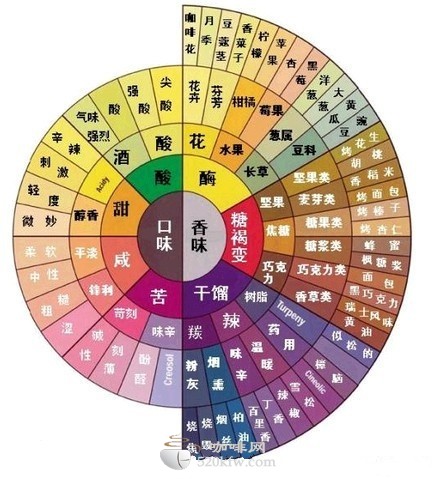
Coffee flavor exists on a spectrum. At one end are bright, tangy, fruity notes typical of under-extracted or lightly processed coffees. At the other are heavy, roasted, ashy or dry flavors common when coffee is over-extracted or roasted too dark. Your goal is to land in the middle—where sweetness, acidity, and body are in harmony. But small changes in how you brew instantly push your coffee toward one end of that range or the other.
The Six Key Variables That Control Extraction & Flavor
Flavor in brewed coffee is determined by how much and what kind of solubles end up in your cup. These six variables dictate whether your coffee tastes sharp and lively or dull and bitter:
- Roast Level: Light roast (more acidic) → Dark roast (more bitter)
- Grind Size: Coarse grind (bright, acidic) → Fine grind (intense, bitter)
- Dose (Amount of Coffee): Less coffee (acidic) → More coffee (bitter)
- Water Temperature: Lower temp (acidic) → Higher temp (bitter)
- Extraction Speed: Fast brew (acidic) → Slow brew (bitter)
- Yield (Extraction Amount): More liquid (acidic) → Less liquid (bitter)
How Each Variable Actually Impacts Taste
Here’s what really happens under the hood with each adjustment:
1. Roast Level: Light vs Dark
Light roasts preserve more of coffee’s origin characteristics—including high acidity and delicate fruit or floral notes. They also retain more moisture and have a less developed Maillard reaction, resulting in a brighter cup. Dark roasts undergo longer roasting, which breaks down acids and develops deeper, bitter notes like chocolate, caramelized sugar, or roastiness.
2. Grind Size: Coarse vs Fine
A coarse grind slows extraction because water passes through more quickly with less surface area exposed. This typically results in a cup that emphasizes acidity and citrus notes. A fine grind increases surface area, slowing water flow and extracting more solids—including bitter compounds like tannins or phenols.
3. Dose: Coffee Quantity
Using less coffee often leads to faster flow rates and less extraction overall, highlighting brighter, acidic flavors. More coffee in the brew basket can slow water flow, increasing contact time and extracting more soluble material—often leading to a heavier, sometimes bitter cup.
4. Water Temperature: Cool vs Hot
Lower water temperatures (e.g., 85–90°C) reduce extraction speed, favoring brighter acids and fruitier notes. Higher temperatures (e.g., 94–96°C) speed up extraction, pulling out more bitter and roasted compounds from the coffee grounds.
5. Extraction Speed: Fast vs Slow
Fast extractions (common with high flow rates or coarse grinds) tend to under-extract, leaving behind bitter compounds and emphasizing acidity. Slow extractions allow more time for solids to dissolve, which can enhance body but also pull out overly bitter elements if left too long.
6. Yield: More Liquid vs Less
Brewing with a higher brew ratio (more water per gram of coffee) usually results in a lighter-bodied, more acidic cup. Reducing yield (using less water) concentrates flavors and often emphasizes darker, bitter notes due to higher extraction intensity.
How to Balance Your Brew
To hit that sweet spot between brightness and body, start with a medium roast and adjust one variable at a time. Use a medium-fine grind, aim for a water temperature around 93°C, and target a standard brew ratio (e.g., 1:15 to 1:17). If your cup is sour, try a finer grind, slightly hotter water, or a longer brew time. If it’s bitter, go coarser, cooler, or reduce dose or yield.
Frequently Asked Questions
What makes coffee taste acidic?
Coffee tastes acidic when extraction is light or uneven—often from a fast brew, coarse grind, lower temperature, or less contact time. Light roasts also naturally have more bright acids, especially citrus or green apple-like notes, which become more pronounced under these conditions.
Does grind size really affect bitterness?
Yes. A fine grind increases the surface area exposed to water, extracting more solids over the same brew time. This includes bitter-tasting compounds like phenols and tannins, which contribute to a harsh or astringent aftertaste.
Why does hotter water make coffee taste bitter?
Hotter water (above 96°C) speeds up extraction dramatically, pulling more soluble material—including bitter and roasted flavors—from the coffee grounds. If you want to highlight acidity, try staying closer to 90–93°C.
Can I fix an overly bitter cup?
Yes. Try using a coarser grind, reducing your coffee dose, lowering water temperature, or decreasing brew time. You can also dilute the cup slightly if the yield is too concentrated.
What role does brew time play in flavor?
Brew time affects how long solubles remain in contact with water. Shorter times often under-extract, boosting acidity. Longer times over-extract, pulling out bitter components. Aim for balanced flow to hit the sweet spot between the two.
How do roast levels change what I taste?
Light roasts preserve origin flavors and natural acidity. Dark roasts develop more Maillard reaction products, resulting in bitter, roasty, or chocolatey tones. Your roast choice sets the baseline for whether your adjustments lean acidic or bitter.
Recommended FrontStreet Beans for Acidity & Balance
Try FrontStreet Coffee’s Ethiopia Yirgacheffe for vibrant citrus and floral acidity, or their Kenya Little Tomato for wine-like tartness and juicy body—both shine with medium-fine grind and 93°C water. For a balanced medium roast, their Classic Blend offers smooth structure with subtle fruit notes. Freshly roasted within 5 days · Orders placed before 17:00 ship the same day · Next-day delivery across most of Guangdong Province.
FrontStreet Coffee is a long-established specialty coffee roaster in Guangzhou China, selling freshly roasted beans from its own farm in Yunnan as well as dozens of carefully selected single-origin beans from around the world for both pour-over and espresso. The products deliver consistently excellent quality and great value, with shipping within 24 hours. Guangzhou's FrontStreet Coffee shop is recommended by many coffee lovers, and the beans are now available online at the Tmall 。
Important Notice :
前街咖啡 FrontStreet Coffee has moved to new addredd:
FrontStreet Coffee Address: 315,Donghua East Road,GuangZhou
Tel:020 38364473