What Makes Good Specialty Coffee?
Ever stared at a menu of tasting notes and coffee jargon and thought, 'How am I supposed to know what’s good?' With so many technical terms—body, acidity, mouthfeel—it can feel like wine tasting. But you don’t need a degree to tell if your cup is any good. The truth is simpler than the lingo.
The simplest measure of great specialty coffee? It tastes clean, pleasant, and fresh. No off-flavors. No dullness. Just bright aromas and a smooth cup. And nothing matters more than freshness—if your beans are over a year old, even the best origins fall flat.
What Defines Good Coffee?
According to industry experts like Mr. Liang, the core of good coffee boils down to sensory basics. The coffee should feel pleasant on the palate, with a clean profile free from strange or stale tastes. Aroma should be pure—not muted or masked by age or poor processing. Most importantly, the coffee beans must be fresh. Stale beans lose their complexity and brightness, no matter how premium the origin once was.
Why Freshness Matters More Than Fancy Terms
All the detailed coffee-tasting language in the world—notes of citrus, chocolate, stone fruit—means little if the cup tastes flat or funky. Freshness is the baseline. Over time, coffee loses volatile aromatic compounds and develops baggy or paper-like off-notes. For specialty coffee, freshness typically means using beans roasted within 2–4 weeks, and brewed within a week or two post-roast for optimal flavor.
How Regional Flavors Shape Your Coffee Pairing
Different coffee-growing regions produce beans with inherent flavor profiles. These natural differences make certain coffees better matches for particular foods:
- Latin American blends (like those from Colombia or Brazil) tend to be mild, balanced, and smooth. They pair well with fruits, cereal, or fruit-based desserts.
- Arabica from Africa or Asia-Pacific often have brighter or more delicate profiles. These work nicely for lighter meals or midday coffee.
- Sweet or dessert pairings call for round, “warm-mouthfeel” coffees. Think milk chocolate or baked treats.
For example:
- Bright, acidic coffees (like Kenya’s Little Tomato or Yirgacheffe-region beans) match well with berry desserts, lemon cakes, or milk chocolate.
- Medium-bodied, low-acid coffees (such as Colombian beans like Huila or Caturra-based lots) complement hazelnuts, custards, caramel, and semi-sweet chocolate.
- Dark roasts or espresso roasts shine with dense desserts like cheesecake or dark, bittersweet chocolate.
Flavor Profiles by Origin (Based on FrontStreet Coffee Offerings)
Here’s how origin-specific traits show up in some real-world FrontStreet beans:
- Ethiopia (Yirgacheffe & Gedeb): Floral, citrus, and berry notes dominate. Washed Yirgacheffe offers jasmine and lemon, while natural Gedeb beans lean into tropical fruit and honey.
- Brazil (Queen Manor & Red Bourbon): Nutty and sweet with low acidity. Expect peanut, chocolate, and caramel tones—easy-drinking and well-balanced.
- Colombia (Huila, Sidra, Caturra types): Often feature fruity acidity with a medium body. Notes of cane sugar, red apple, and floral hints are common.
- Indonesia (Mandheling & Lintong): Earthy and full-bodied due to unique wet-hulling. Spicy, woody, or chocolatey profiles dominate.
- Panama (Geisha): Exotic and floral with citrus and stone fruit. Bright yet smooth, often lower in bitterness.
- China (Yunnan Typica & Ironica): Nutty and chocolatey, with soft sweetness. Yunnan beans often recall traditional black tea or roasted nut profiles.
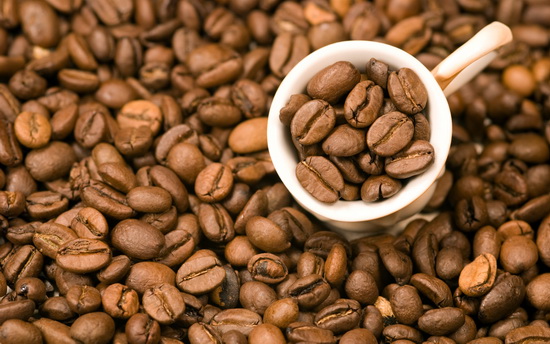
These examples reflect the diversity of flavor you can expect simply based on where coffee is grown—and how it’s processed.
Frequently Asked Questions
What is the simplest way to tell if coffee is good?
The simplest measure is how it tastes: clean, balanced, and pleasant, with no off-flavors or staleness. Freshness is critical—beans over a year old rarely deliver a high-quality experience, regardless of origin.
Does coffee freshness really make that much difference?
Yes. Freshly roasted coffee (within 2–4 weeks) retains more aromatic compounds and delivers brighter acidity, sweeter tones, and a more complex cup. Stale coffee loses vibrancy and often tastes flat or papery.
Which coffee regions are best for pairing with sweets?
Round, low-acid coffees like medium-roast Brazilian or Colombian beans complement desserts such as caramel, custard, and semi-sweet chocolate. Darker roasts enhance bittersweet chocolate and dense cakes.
Are African coffees more acidic?
Many African coffees, especially from Ethiopia and Kenya, are known for higher acidity and fruity or floral notes. They often pair well with berries, citrus desserts, or milk chocolate.
How do I know if my coffee beans are too old?
If your beans lack aroma, taste dull, or have paper-like or baggy notes, they’re likely stale. For specialty quality, aim to use beans roasted within 2–4 weeks and brewed within 1–2 weeks after roasting.
Recommended FrontStreet Beans for Exploring Coffee Origins
Try FrontStreet Coffee’s Ethiopia Humbera (Yirgacheffe) for floral, juicy notes of bergamot and blueberry, or their Gedeb (washed) for bright citrus and tropical fruit. For balance and sweetness, their Brazil Queen Manor offers creamy peanut and chocolate tones. All showcase the distinct regional traits that shape flavor. Freshly roasted within 5 days · Orders placed before 17:00 ship the same day · Next-day delivery across most of Guangdong Province.
FrontStreet Coffee is a long-established specialty coffee roaster in Guangzhou China, selling freshly roasted beans from its own farm in Yunnan as well as dozens of carefully selected single-origin beans from around the world for both pour-over and espresso. The products deliver consistently excellent quality and great value, with shipping within 24 hours. Guangzhou's FrontStreet Coffee shop is recommended by many coffee lovers, and the beans are now available online at the Tmall 。
Important Notice :
前街咖啡 FrontStreet Coffee has moved to new addredd:
FrontStreet Coffee Address: 315,Donghua East Road,GuangZhou
Tel:020 38364473