Complete Guide to Coffee Roasting at Home
Ever wonder why your cup of coffee tastes dramatically different depending on who roasted it? The truth is, coffee roasting transforms raw green beans through precise applications of heat—turning starches into sugars, driving off moisture, and developing hundreds of aromatic compounds. But slight shifts in time or temperature change everything. If you’ve ever wanted control over that process without a commercial roaster, here’s how to do it yourself, step by step.
The entire coffee roasting process—from green bean to drinkable roast—typically completes in 10 to 22 minutes depending on method, with first crack occurring around 7–12 minutes and second crack another 1–10 minutes after. Mastering these stages lets you craft light, medium, or dark roasts to your taste.
Why Roast Matters: The Chemistry Behind Your Coffee
Coffee roasting isn’t just cooking—it’s a complex chemical reaction. Heat causes the beans’ moisture and carbon dioxide to release, starches convert to sugars, proteins become enzymes, and organic acids develop. Cellulose partially carbonizes, and oils migrate to the surface. These transformations define acidity, sweetness, body, and aroma. Every variable—time, temperature, airflow, and even bean origin—affects the final cup.
How to Roast Coffee at Home: Methods and Step-by-Step Guides
1. Mesh Pan Roasting
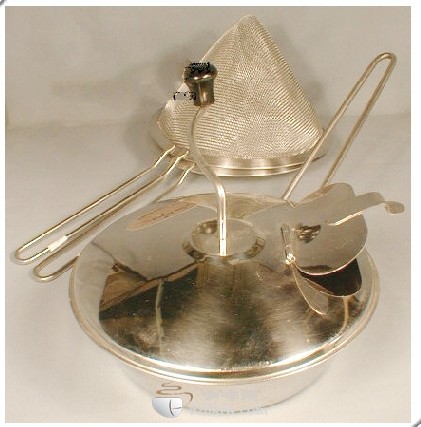
Mesh pan roasting is the most affordable home method. Using a kitchen strainer-like tool, 150g batches typically reach first crack in about 10 minutes and second crack around 15 minutes. You can enhance control with a thermometer. Here’s how:
- Place 150g green beans in a handled mesh sieve, cover, and hold 20–30cm above medium heat.
- Swirl continuously for even heating. In 3–5 minutes, silver skins begin shedding and a grassy smell appears. Soon after, a sweet smell emerges as the beans turn light yellow.
- First crack starts with popping sounds and light smoke; continue until the crack settles.
- Shortly after first crack, a second, softer round of cracking signals deeper roast development. You may stop here or continue.
- Cool beans quickly with a fan. Remove any defective or unevenly roasted beans, then let them rest 1–2 days before brewing.

For more control, a ceramic roaster can improve evenness. With such devices, 100g batches take roughly 8 minutes to dry, first crack by 15 minutes, and second crack near 22 minutes using medium heat.
2. Hand-Cranked Popcorn Pan
This method improves on mesh pans with better heat retention and ease. For 200–250g beans:
- Preheat the pan on medium heat, add beans (no lid) until they turn bright yellow.
- Then cover and continue roasting. First crack begins within 10–20 minutes (ideally around 15).
- Monitor progress and consider opening the lid slightly during second crack to manage temperature with a thermometer.
- Cool beans immediately with a fan once desired roast level is reached.

3. Electric Popcorn Machine
More consistent and hands-off, these machines require prep: have a thermometer, bean basket, and gloves ready. For 85g beans:
- Roast with constant stirring for even drying. After ~2 minutes, beans turn cinnamon-coloured and dehydration finishes.
- First crack fires up at around 4 minutes, peaking at 420°C and lasting 1–1.5 minutes. Stop here for a light roast, or proceed.
- Second crack hits about 0.5–1 minute after first crack, with beans turning dark brown and oily.
- Cool quickly post-roast, then remove leftover chaff.
4. Semi-Direct Flame Drum Roaster
This manual drum method gives hands-on control. Load the drum based on size, then:
- Light the flame and rotate the drum steadily. In 3–4 minutes, beans yellow and silver skins shed.
- By 6–8 minutes, they darken, smoke appears, and first crack begins near 8 minutes.
- First crack finishes around 10 minutes. Stop for a light roast, or continue to second crack at about 12 minutes.
- Cool rapidly with a fan after second crack.

5. Hot-Air Roaster
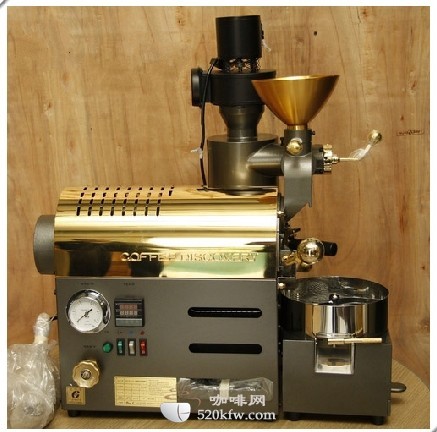
The simplest plug-and-play option. Measure your beans, load the chamber, and:
- Select your preferred roast time, start the machine, and let it run.
- Cooling begins automatically after 3–5 minutes post-roast.
- Once cooled and the machine powered down, clear chaff and unload the beans.

Key Variables in Home Coffee Roasting
Successful home roasting hinges on controlling five elements: time, temperature, airflow, bean mass, and heat source. Even slight deviations alter the roast curve, affecting acidity, sweetness, and bitterness. First crack usually signals light roast territory; second crack ushers in darker profiles. Use timers, thermometers, and your senses (smell, sound, colour) to guide you. Always let beans degas for 1–2 days post-roast before brewing.
Frequently Asked Questions
What is the difference between first crack and second crack in coffee roasting?
First crack is the initial rapid popping sound 7–12 minutes into roasting, caused by moisture and steam rapidly escaping the bean, marking the start of light roast levels. Second crack , occurring roughly 1–10 minutes after the first, is softer and indicates further breakdown of the bean structure, leading to medium-dark or dark roasts.
How long does it take to roast coffee beans at home?
Home roasting typically takes 10–22 minutes depending on the method. Mesh pan and electric popcorn methods often finish in 10–20 minutes, while semi-direct drum roasters may take up to 12–15 minutes from start to finish including first and second cracks.
What roast level should I aim for as a beginner?
Most beginners start with a light to medium roast, ending just after first crack or just before second crack begins. This highlights origin characteristics and is easier to brew well. Light roasts finish around first crack; medium may approach the start of second crack.
How do I cool roasted coffee beans quickly?
Use a fan or hand fan to blow cool air over the beans immediately after roasting stops. Cooling should take 30–60 seconds to halt the roast process and stabilise the beans for proper resting.
Do I need special equipment to roast coffee at home?
No—you can start with common kitchen tools like a mesh sieve , popcorn pan, or even an electric popcorn machine. More advanced home roasters may use modified drums or hot-air machines, but none are mandatory to begin experimenting.
How long should roasted coffee beans rest before brewing?
Rest roasted beans for 1–2 days after roasting to allow CO₂ to dissipate and flavours to stabilise. Brewing too soon can result in uneven extraction and unpleasant gas flavors.
Recommended FrontStreet Beans Ideal for Home Roasting Experiments
Try FrontStreet’s Ethiopia Huakui for bright, juicy complexity, ideal after a light home roast; their Yirgacheffe offers floral and citrus notes perfect for exploring first crack flavours; and the Brazil Queen Manor brings balanced nuttiness great for medium roasts. All showcase origin traits enhanced by careful roast control. Freshly roasted within 5 days · Orders placed before 17:00 ship the same day · Next-day delivery across most of Guangdong Province.
FrontStreet Coffee is a long-established specialty coffee roaster in Guangzhou China, selling freshly roasted beans from its own farm in Yunnan as well as dozens of carefully selected single-origin beans from around the world for both pour-over and espresso. The products deliver consistently excellent quality and great value, with shipping within 24 hours. Guangzhou's FrontStreet Coffee shop is recommended by many coffee lovers, and the beans are now available online at the Tmall 。
Important Notice :
前街咖啡 FrontStreet Coffee has moved to new addredd:
FrontStreet Coffee Address: 315,Donghua East Road,GuangZhou
Tel:020 38364473