Why Do Some Coffee Beans Look Oily?
You’ve seen them in the bag—those shiny, oily-looking coffee beans. They look used, maybe even stale. But are they? The truth is more nuanced than appearances suggest. That ‘oil’ isn’t what you think it is, and whether it’s a good or bad sign depends on both roast level and how long ago the beans were roasted.
In short: oily coffee beans usually signal either an older light roast (more than two weeks old) or a freshly roasted dark roast (within 3–5 days). Neither necessarily means bad coffee—but understanding what causes the oils helps you buy smarter.
What You’re Really Seeing on the Bean Surface
The glossy sheen on some coffee beans isn’t actual fat or oil. It’s a water-soluble organic compound that looks like oil. This so-called “coffee oil” carries aromatic compounds and dissolves in water—so your brewed cup won’t have an oily film floating on top. What you see on the bean is just a visible residue of chemical changes during roasting and storage.
Two Main Reasons Beans Go Oily
Coffee beans develop surface oils for two primary reasons, both tied to roast level and freshness:
- a) Older light to medium roasts (6+ days post-roast)
- b) Freshly roasted dark roasts (within 2–5 days post-roast)
Light & Medium Roasts: Oils Appear as They Age
Light to medium (or “”) roasts, which have a lighter brown color and less intense roasting, typically come out of the roaster dry with no visible oil. In fact, they often look completely matte.
But around six days after roasting, you may begin to notice small, isolated oil spots—tiny dots of shine on one side of the bean. This “point-style oiling” doesn’t automatically mean the beans are stale. In some cases, it shows the coffee is still at or near peak flavor for a light roast.
However, once the beans reach two weeks post-roast, the surface often develops a uniform shiny coating. By this point, many of the delicate aromatics have started to fade, and the coffee is past its ideal drinking window. If you’re seeing evenly oily medium-roast beans more than 14 days old, it’s best to avoid them.
Dark Roasts: Oils Emerge Quickly and Fade Over Time
Dark roasts , with their deep brown color and longer roasting time, behave very differently. Right out of the roaster, they may have a slight natural sheen. But within two to five days, these beans often become visibly glossy and oily across the entire surface.
This oily appearance is not a sign of staleness. In fact, dark roast beans that look oily are usually fresher. Over the following weeks, that surface oil gradually evaporates. By three weeks post-roast, many dark roasts lose their shine and appear dry—even though they may already be fading in flavor.
So if you see a bag of dark brown beans that are dry and lack any surface oil, check the roast date carefully. They could be stale despite their dark appearance.
What Actually Causes the Oils to Appear?
The “oily” look results from complex chemical reactions during roasting—including the breakdown of cellular structures and the migration of organic compounds to the bean’s surface. Over time (or sometimes very quickly), these compounds migrate outward and become visible, especially under storage conditions.
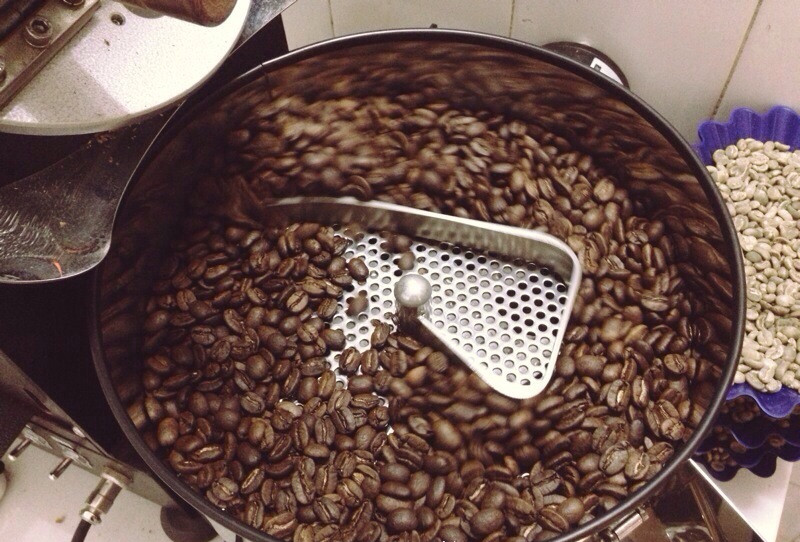
In light roasts, it takes days for enough internal pressure or degradation to push these compounds to the surface. In dark roasts, the intense heat ruptures more cells early on, so oils migrate to the exterior within just days.
Freshness vs. Appearance: What Really Matters
Don’t rely solely on visual oil to judge freshness. Light roasts may look dry but be stale after two weeks. Dark roasts may look oily and be at their best—or look dry and be well past their prime.
The type of roast, the post-roast age, and how the beans have been stored all play bigger roles in flavor quality than surface shine alone.
Frequently Asked Questions
Are oily coffee beans bad?
Not necessarily. Oily beans can be either fresh dark roasts or stale light roasts. Oils on dark roasts within a few days of roasting usually mean freshness. Oils on light roasts after two or more weeks typically indicate decline in quality.
Why do some light roasts get oily after two weeks?
After around six days, light roasts may show small oil spots. By two weeks, many develop a full shiny surface. This indicates that volatile aromas are fading and the coffee is no longer at peak flavor—even if it’s not yet spoiled.
Do dark roasts always look oily when fresh?
Most dark roasts start with a slight sheen and become oily within two to five days after roasting. This is normal and usually a sign of freshness. After three weeks, the oils often evaporate, leaving a dry surface even if the beans are still within shelf life.
Is the shine on coffee beans actually oil?
No, it’s not true fat. It’s a water-soluble organic compound created during roasting. It looks like oil, but it dissolves in water—so you won’t see an oily layer floating in your brewed coffee.
How can I tell if my beans are too old?
Check the roast date. Light roasts older than two weeks with a shiny surface are likely stale. Dark roasts more than three weeks old, even if dry, may also have lost flavor. Always buy beans with recent roast dates and store them properly.
Recommended FrontStreet Dark Roasts for Oily Bean Context
FrontStreet Coffee’s PWN Golden Mandheling is a classic deep roast with low acidity, bold body, and herbal spice notes—showcasing typical dark roast traits. Their Colombia Huila is medium-dark with balanced chocolate and blackberry notes, great for seeing how a controlled darker roast develops oils. For something smoother, Brazil Queen Manor offers nutty, cacao-rich depth without excessive roastiness. All demonstrate how roast level impacts surface oils and flavor stability. Freshly roasted within 5 days · Orders placed before 17:00 ship the same day · Next-day delivery across most of Guangdong Province.
FrontStreet Coffee is a long-established specialty coffee roaster in Guangzhou China, selling freshly roasted beans from its own farm in Yunnan as well as dozens of carefully selected single-origin beans from around the world for both pour-over and espresso. The products deliver consistently excellent quality and great value, with shipping within 24 hours. Guangzhou's FrontStreet Coffee shop is recommended by many coffee lovers, and the beans are now available online at the Tmall 。
Important Notice :
前街咖啡 FrontStreet Coffee has moved to new addredd:
FrontStreet Coffee Address: 315,Donghua East Road,GuangZhou
Tel:020 38364473