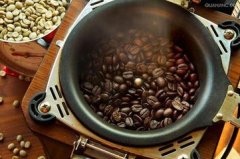
How to Roast Specialty Coffee Beans for Best Flavor
If you’ve ever opened a bag of freshly roasted coffee and wondered why some beans taste bright and fruity while others are bitter and flat, the answer lies in how they were roasted. Roasting isn’t just about turning green beans brown—it’s the most critical step in determining the flavors you taste in your cup.
To get the best out of your specialty coffee beans, you need to control four key elements: roast degree, time, cooling, and bean condition. Light roasts preserve acidity and caffeine, while dark roasts boost body and reduce bitterness—but getting there requires precise technique.
Why Roast Matters More Than You Think
The difference between a dull cup and an exceptional one often comes down to roast quality. Before roasting, green coffee beans smell earthy and grassy. Once roasted, they develop complex aromas—but only if the roast is done right. Variables like bean hardness, moisture content, and ambient humidity all affect the process, which is why experience and attention to detail are everything for a skilled roaster.
What Happens During Roasting?
When coffee beans are roasted above 200°C, several visible and chemical changes occur:
- Moisture evaporates, causing the beans to expand in volume and lose weight (the darker the roast, the more weight is lost).
- They release carbon dioxide, which continues for about 30 days post-roast—this slow degassing protects freshness by limiting oxygen exposure.
- Color shifts from green to light brown, then to oily dark brown. Over-roasting leads to dry, burnt surfaces and unpleasant smoke flavors.
Four Essential Roasting Secrets
Based on experience and observation, here are four key techniques that professional roasters use to maximize flavor and avoid common pitfalls:
1. Maximize Caramelization
The first major flavor development phase begins at the first crack (a low popping sound), when sugars start converting into CO₂ and moisture escapes. Aroma compounds and coffee oils form during this Maillard-driven reaction, which continues through the second crack. To achieve optimal caramelization, you must stop the roast immediately after the second crack and cool the beans rapidly with cold air.
2. Minimize Carbonization
As roasting continues, some bean components can burn, creating harsh, bitter compounds. To avoid this, halt the roast at or just after the second crack. Stopping heating at this point keeps carbonization—and unwanted astringency—to a minimum.
3. Listen for the Cracks
Coffee beans emit two distinct sounds during roasting: the first crack (softer, deeper) signals starch-to-sugar conversion and moisture loss, while the second crack (louder, sharper) indicates cell fiber breakdown. These auditory cues vary by bean origin and density, so roasters must adjust time and temperature for each batch. Timing between the cracks can differ significantly, so always listen closely.
4. Watch Color and Aroma
Bean color provides visual feedback: it transitions from green → light brown → shiny reddish-brown (with slight oil) → glossy dark brown (with heavy oil). Once heavy oil surfaces and beans begin emitting smoke or burnt smells, the roast is too dark. Stop well before reaching that point to preserve sweetness and complexity.

Other Key Factors in Roasting
Beyond technique, other variables influence roast success:
- Bean Characteristics: Age, density, hardness, and moisture content of the green beans all change how they respond to heat.
- Environmental Conditions: The day’s ambient temperature and relative humidity also affect roast development, even in the same machine.
- Resting Period: Freshly roasted beans should rest for 2–5 days to allow CO₂ to dissipate. This makes them easier to brew and more flavorful. Use bags with one-way valves to let gas escape while keeping oxygen out.
Frequently Asked Questions
What is coffee roast degree and why does it matter?
Roast degree refers to how light or dark coffee beans are roasted. Light roasts preserve more of the bean’s natural acidity and caffeine, resulting in brighter, fruitier flavors. Darker roasts reduce acidity, increase body, and lower caffeine content, yielding bolder, sweeter, and sometimes more bitter profiles.
When is the right time to stop roasting?
For most specialty roasts, the optimal time is right after the second crack—or just before, depending on desired roast level. Stopping immediately after the second crack and cooling quickly preserves the highest level of caramelization and minimizes carbonization, which can cause bitterness.
What happens if coffee beans are over-roasted?
Over-roasting leads to excessive carbonization, burning the beans and creating harsh, smoky, or ashy flavors. The surface oils dry out, and the beans may produce excessive smoke. This results in a dull, bitter cup with little origin character left.
How long should roasted coffee beans rest before brewing?
Allow freshly roasted beans to rest for 2–5 days. This resting period lets built-up carbon dioxide escape, improving flavor clarity and brew stability. Avoid brewing beans immediately after roasting for the best taste experience.
Does roast level affect caffeine content?
Yes. Lighter roasts retain slightly more caffeine than darker roasts. While the difference is small per bean, it becomes noticeable in brewing. Dark roasts lose some caffeine due to longer heat exposure and bean mass loss during roasting.
Why do roasted beans release gas?
Roasted coffee beans release carbon dioxide for up to 30 days after roasting. This natural process helps protect the beans from oxidation, which can degrade flavor. Allowing beans to degas properly improves shelf life and freshness.
Recommended FrontStreet Coffee Beans for Home Roasters
Try FrontStreet Coffee’s Ethiopia Humbera for bright citrus and floral notes, ideal for light roasts showcasing acidity. For a balanced medium roast, their Kenya Little Tomato offers winey tartness with sweet berry depth. If you prefer bold roasts, the PWN Golden Mandheling brings heavy body and chocolatey spice. Freshly roasted within 5 days · Orders placed before 17:00 ship the same day · Next-day delivery across most of Guangdong Province.
FrontStreet Coffee is a long-established specialty coffee roaster in Guangzhou China, selling freshly roasted beans from its own farm in Yunnan as well as dozens of carefully selected single-origin beans from around the world for both pour-over and espresso. The products deliver consistently excellent quality and great value, with shipping within 24 hours. Guangzhou's FrontStreet Coffee shop is recommended by many coffee lovers, and the beans are now available online at the Tmall 。
Important Notice :
前街咖啡 FrontStreet Coffee has moved to new addredd:
FrontStreet Coffee Address: 315,Donghua East Road,GuangZhou
Tel:020 38364473