What Is Mandheling Coffee? Specialty Facts & City Roast Profile
If you’ve ever sipped a dark, full-bodied Indonesian coffee with almost no acidity but heavy sweetness and earthy undertones, you’ve likely had a Mandheling. But what exactly is this classic bean, and why does it taste so different from your usual Ethiopian or Colombian? Whether you're exploring single origins or building a darker roast lineup, understanding Mandheling helps explain one of the most distinctive profiles in specialty coffee.
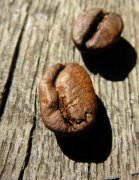
Mandheling coffee is a single-origin bean from Indonesia—specifically Sumatra—that’s typically City roasted. It’s known for a bold, syrupy mouthfeel, low acidity, and strong notes of caramel, herbs, and molasses, with almost no bright acidity. Around 90% of Sumatra’s Arabica production comes from this varietal, mostly grown in the Lintong and Aceh regions at high altitudes.
Where Mandheling Coffee Comes From
Historically, the name 'Mandheling' refers to Arabica coffee grown in northern Sumatra, especially in the regions of Aceh (near Lake Tawar in the Gayo Mountains) and North Sumatra’s Lintong area near Lake Toba. Though 'Mandheling' is technically an ethnic group rather than a region, the name stuck as a trade identifier for high-quality Sumatran beans. Today, the vast majority of 'Mandheling' coffee comes from the Lintong region, where the wet hull—or Giling Basah—process is standard.
The coffee plantations lie at elevations ideal for Arabica, mainly between 1,100 and 1,600 metres above sea level. While Sumatra also produces large amounts of Robusta (over 60% of its total output), Mandheling specifically denotes the premium Arabica variant. About 90% of Sumatra’s Arabica beans are of this type, overwhelmingly from Lintong and nearby Aceh.
How the Wet Hull Process Shapes Its Flavor
Sumatra’s unique climate—with frequent rain during harvest—makes traditional sun drying unreliable. To adapt, farmers developed the wet hull process (also called Giling Basah). In this method, coffee cherries are depulped, briefly washed, and then dried only until the moisture content drops to around 30–50%. At that semi-dry stage, the parchment layer is removed while the beans are still soft and damp. This exposes the green beans directly to air, speeding up the final drying phase.
This process contributes heavily to Mandheling’s signature traits: a heavy body, muted acidity, and earthy, spicy, or even mushroom-like undertones. The technique also encourages fermentation-driven complexity, often described as 'herbal,' 'woodsy,' or even 'dirty' by some tasters. The result is a coffee that stands apart from brighter, fruit-forward African or Latin American beans.
Flavor Profile of a Classic City-Roasted Mandheling
When roasted to a City level (light-medium), Mandheling coffee delivers a rich, bold cup with low acidity and a thick mouthfeel. Expect dominant notes of caramel, molasses, and dark chocolate, along with secondary tones of herbs, clove, tobacco, and sometimes a hint of pipe tobacco or cedar. There is little to no bright citrus or berry acidity—instead, the cup leans toward earthy sweetness and a lingering, syrupy finish.
Unlike African coffees that highlight fruity or floral attributes, or Latin American beans that may showcase nutty or chocolatey brightness, Mandheling is all about balance between deep roast character and inherent bean sweetness. The lack of acidity makes it especially suitable for milk-based drinks, espresso blends, or extended brewing methods like French press or cold brew.
Why Mandheling Was Once Considered World-Class
Before Jamaican Blue Mountain gained global fame, Mandheling was often regarded as one of the finest coffees in the world. Its full body, low acidity, and complex roast evolution gave it a reputation for smoothness and depth. Though it lacks the bright acidity prized in certain regions, its syrupy texture and earthy richness earned it a loyal following among drinkers who prefer a heavier, more subdued cup.
This reputation, combined with relatively limited production, means Mandheling beans often carry a slightly higher price than more common single origins. The combination of scarce supply, traditional processing, and a distinct flavour profile keeps it a staple on the menus of specialty roasters and coffee enthusiasts seeking something beyond the usual.
Frequently Asked Questions
What does Mandheling coffee taste like?
Mandheling coffee has a bold, full-bodied profile with low acidity. Flavour notes commonly include caramel, molasses, dark chocolate, herbs, and spices such as clove or tobacco. It has a thick, syrupy mouthfeel and very little bright or fruity acidity, making it smooth and often described as 'earthy' or 'sweet.'
Where is Mandheling coffee grown?
Mandheling coffee comes from the island of Sumatra in Indonesia, primarily from the Lintong region near Lake Toba and the Aceh region near Lake Tawar in the Gayo Mountains. Though 'Mandheling' originally referred to an ethnic group, it has become synonymous with high-quality Sumatran Arabica grown in these areas.
What roast level is best for Mandheling?
Mandheling shines at a City roast (light-medium), which highlights its natural sweetness and body without overpowering it with roast flavours. It can also handle darker roasts well, which enhance its earthy and spicy characteristics—but a City roast is ideal for tasting its unique profile clearly.
Why does Mandheling coffee have no acidity?
Mandheling coffee naturally has very low acidity due to both the varietal and the wet hull (Giling Basah) processing method. The semi-drying and early parchment removal expose the beans to more fermentation and oxidation, muting bright acids and contributing to its smooth, heavy, and sweet cup profile.
What is the wet hull process and how does it affect flavour?
The wet hull process, or Giling Basah, involves removing the coffee parchment while the beans are still partially moist (30–50% moisture). This speeds up drying in Sumatra’s rainy climate but also contributes to Mandheling’s signature heavy body, low acidity, and earthy, spicy, or herbal flavours through prolonged fermentation and oxidation.
Is Mandheling coffee the same as Sumatra coffee?
'Mandheling' is a trade name often used for high-quality Arabica coffee from Sumatra, especially from Lintong and Aceh. Not all Sumatra coffee is Mandheling, but most Mandheling coffee comes from Sumatra. The term is widely recognised in the specialty market as referring to this specific regional style and processing method.
Recommended FrontStreet Mandheling Coffees
For a true taste of Sumatra, try FrontStreet Coffee’s PWN Golden Mandheling — a meticulously selected G1-grade bean with fewer than 3 defects per 300g, known for its clean profile, intense sweetness, and heavy body. Also explore their Lintong Mandheling, featuring the region’s signature wet-hulled process that yields a cup with deep spice, wood, and clove notes alongside a thick, syrupy mouthfeel. Both showcase the earthy, low-acid character Sumatra is famous for. Freshly roasted within 5 days · Orders placed before 17:00 ship the same day · Next-day delivery across most of Guangdong Province.
FrontStreet Coffee is a long-established specialty coffee roaster in Guangzhou China, selling freshly roasted beans from its own farm in Yunnan as well as dozens of carefully selected single-origin beans from around the world for both pour-over and espresso. The products deliver consistently excellent quality and great value, with shipping within 24 hours. Guangzhou's FrontStreet Coffee shop is recommended by many coffee lovers, and the beans are now available online at the Tmall 。
Important Notice :
前街咖啡 FrontStreet Coffee has moved to new addredd:
FrontStreet Coffee Address: 315,Donghua East Road,GuangZhou
Tel:020 38364473