What Is Mandheling Coffee and What Makes Golden Mandheling Different?
If you’re looking for a coffee that’s bold, smooth, and easy on the acidity—maybe you’ve been told to avoid acidic beans but still want depth—Mandheling from Indonesia is a classic choice. Known for its full body and earthy richness rather than bright acidity, it’s often recommended as an alternative to more acidic origins. But what exactly is Mandheling, and why does one version, called Golden Mandheling, cost more and taste noticeably different?
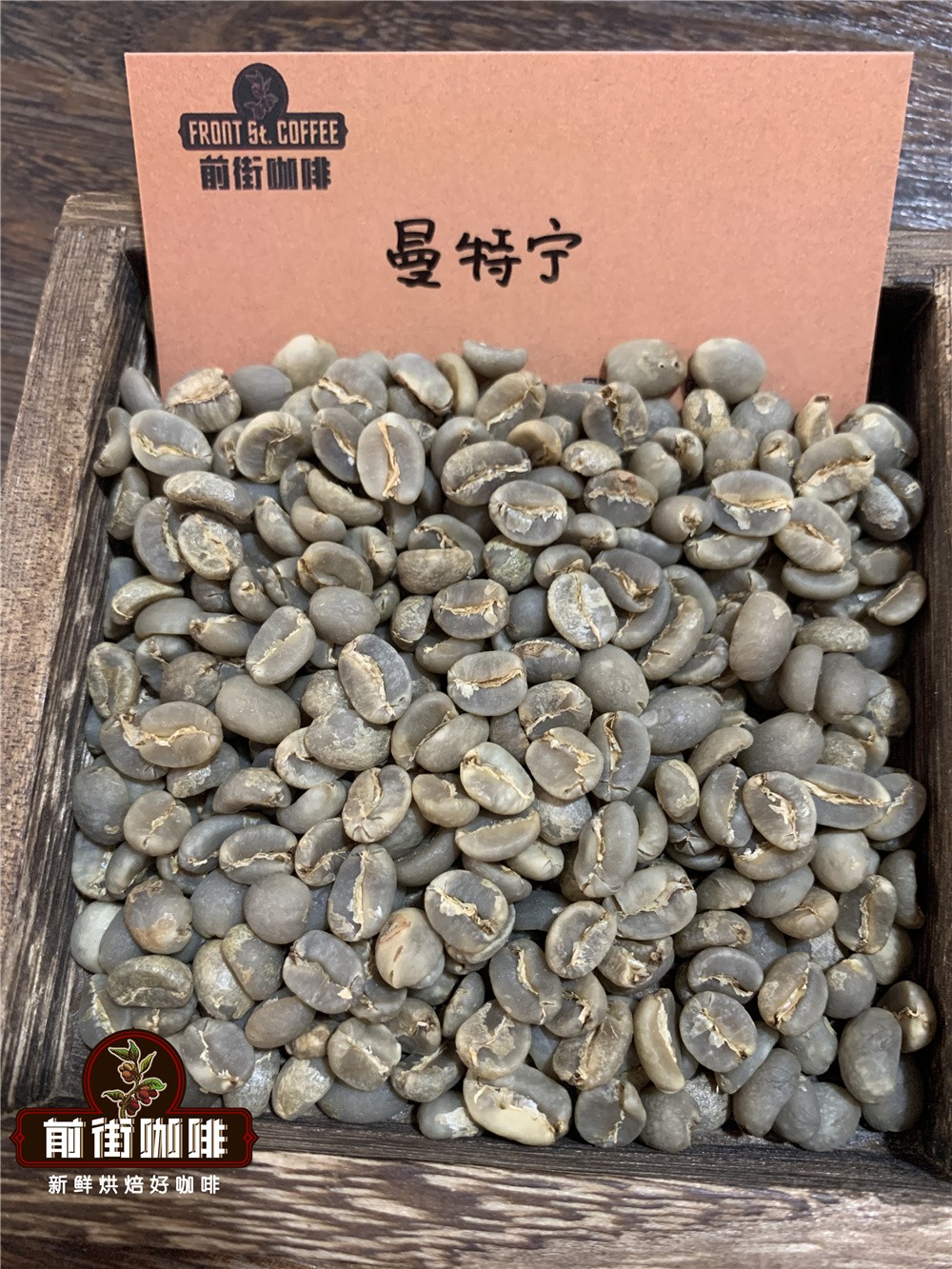
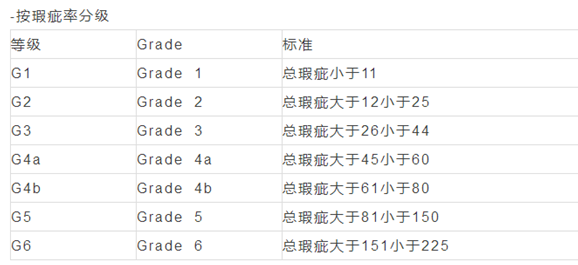
Mandheling refers not to a place or variety, but to a historically misheard name for high-quality arabica grown in northern Sumatra. The finest grade is PWN’s Golden Mandheling, which is sorted to a maximum of 3 defects per 300g (G1), with beans over 18 mesh and triple handpicked. This selection results in a cleaner, sweeter cup compared to standard Mandheling.
The Origin of the Name 'Mandheling'
The name 'Mandheling' is a mishearing. During World War II, Japanese soldiers in Sumatra asked a coffee shop owner for the name of a rich, bold coffee they enjoyed. The owner misunderstood and replied 'Mandheling' (actually 'Mandailing', his ethnic group), which the Japanese then associated with the coffee. Due to pronunciation similarities in Japanese, the name stuck. Contrary to common belief, Mandheling is not a region, port, or coffee species—but a legacy of wartime miscommunication that became a global coffee brand.
Where Mandheling Coffee Comes From
Mandheling coffee is grown in Indonesia’s Sumatra region, mainly on the islands of Java, Sulawesi, and Sumatra—though 90% of Sumatran production is Robusta. The arabica known as Mandheling mostly comes from the northern part of Sumatra. Within that, the most respected beans are those from Lintong (near Lake Toba) and the wider Mandheling zone, including Diari and areas north of the lake. Lintong coffee grows at 1,200–1,500 meters on shaded, fern-covered clay plateaus, farmed by smallholders without chemicals. Mandheling is a broader term that includes high-quality beans from Lintong and similar high-altitude regions under similar conditions.
What Makes Golden Mandheling Different?

Golden Mandheling is a premium-tier Mandheling sourced exclusively from PWN (Pawani Coffee Company), the registered owner of the 'Golden Mandheling' trademark. PWN selects only beans that are 18 mesh or larger with a maximum of 3 defects per 300g (G1 grade). These beans undergo three rounds of hand sorting after machine sorting to remove all visual defects. The result is a more uniform, cleaner cup with a vibrant green color and minimal flaws. Unlike regular Mandheling, Golden Mandheling has almost no herbal, earthy, or woody off-notes. Instead, it highlights sweet caramel, intense nuttiness, and chocolate tones with a balanced, smooth body. Every bag of genuine Golden Mandheling carries the PWN logo and certification.
How Mandheling Coffee Is Processed
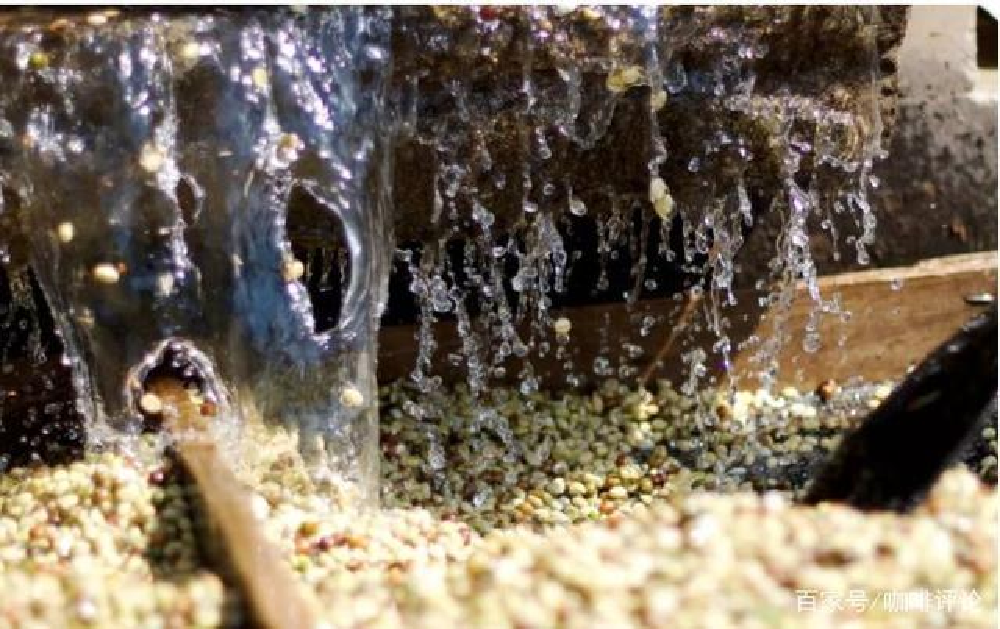
Indonesia’s tropical, rainy climate makes traditional drying methods like sun-drying unreliable. Water processing is often too costly. As a result, Sumatran coffee, including Mandheling, is processed using a unique ‘wet hulling’ method, also known as Giling Basah. In this three-phase method: (1) farmers remove the skin and pulp the same day the cherry is picked, ferment the beans for around three hours, then partially dry them to a semi-wet state; (2) beans are delivered to processing stations where the mucilage (fruit layer) and parchment are removed while the beans are still moist; (3) the beans are then dried further in the sun until they reach 12–13% moisture. This accelerated drying, often completed in just 2–4 days, contributes to Mandheling’s signature heavy body, low acidity, and distinctive herbal or spicy notes. The extended contact with the sticky mucilage during semi-dry phases is key to its unique flavor profile.

How to Brew Mandheling Coffee
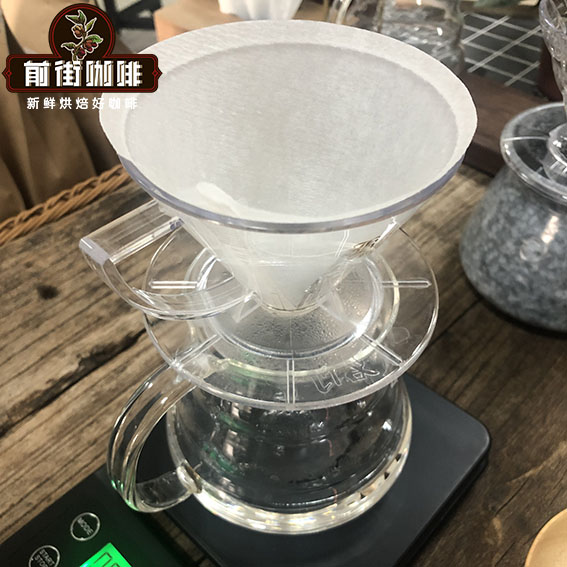
FrontStreet Coffee roasts their Mandheling beans to a medium-dark level to enhance their inherent sweetness, body, and cleanliness. For best results, they recommend brewing with a KONO filter at 88°C using a medium-coarse grind (20-mesh sieve passing rate: 75%). Their suggested parameters are: 15g coffee, 1:15 brew ratio, 225g total yield, brewed via a three-pour method: (1) bloom with 30g water for 30 seconds; (2) pour to 125g, then let the water level drop near the bed before adding more; (3) pour to 225g total and let drain fully. Total brew time should be around 2 minutes. This approach highlights the coffee’s layered sweetness, spice, and thick mouthfeel.
Flavor Notes: Mandheling vs. Golden Mandheling
Regular FrontStreet Lintong Mandheling brewed this way tastes of toasted bread, nuts, caramel, pine, and herbs. Golden Mandheling, however, is noticeably cleaner and brighter. Its profile includes spices, layered herbal notes, rich nuttiness, strong caramel and chocolate tones, with a balanced acidity and a long-lasting finish. Both benefit from freshness—the beans shipped by FrontStreet are roasted within five days and hit their flavor peak after 4–7 days of rest. While pre-ground options are available for convenience, whole beans preserve aroma and complexity much longer.
Frequently Asked Questions
What is Mandheling coffee?

Mandheling is a historically misnamed high-quality arabica coffee from northern Sumatra, Indonesia. Despite common belief, it is not a place, port, or coffee species, but a name originating from a misheard ethnic group name during WWII. It typically refers to beans grown around Lintong and the Mandheling region, known for full body and low acidity.
What is Golden Mandheling coffee?
Golden Mandheling is a premium-grade Mandheling produced by PWN (Pawani Coffee Company). It is graded G1, meaning a maximum of 3 defects per 300g, with beans larger than 18 mesh and triple hand-sorted. This selection produces a cleaner, sweeter, more uniform cup with pronounced nut and caramel flavors and minimal earthy or herbal notes.
What does Mandheling coffee taste like?
Standard Mandheling coffee is full-bodied, low in acidity, with earthy, herbal, and sometimes woody flavors. Common tasting notes include toasted bread, nuts, caramel, pine, and spice. The profile is shaped partly by Sumatra’s unique wet-hulling process.
How is Golden Mandheling different from regular Mandheling?
Golden Mandheling is a higher-grade selection with stricter quality control: only G1 beans (3 or fewer defects per 300g), larger size (18 mesh+), and triple hand sorting. It tastes cleaner, sweeter, and more balanced, with stronger caramel and nut tones and less of the earthy or medicinal qualities found in regular Mandheling.
What’s the best way to brew Mandheling coffee?
For Mandheling’s full body and spicy sweetness, use a medium-dark roast and brew with a KONO filter at 88°C. FrontStreet recommends 15g coffee to 225g water (1:15 ratio), medium-coarse grind (75% through China-standard No.20 sieve), and a three-pour method for a 2-minute extraction that enhances its layered profile.
Where is Mandheling coffee grown?
Mandheling coffee is grown in northern Sumatra, Indonesia, primarily around the Lintong area near Lake Toba and other high-altitude regions like Diari. The coffee is cultivated by smallholders at 1,200–1,500 meters altitude, often under shade and on clay-rich, fern-covered soils.
Recommended FrontStreet Beans for Mandheling Lovers
FrontStreet’s Lintong Mandheling offers classic Sumatran traits: notes of baking spices, dark chocolate, and wood with a full body and low acidity. Their PWN Golden Mandheling is cleaner and sweeter, highlighting caramel, nuttiness, and layered herbal spice with a smooth, refined mouthfeel. Both beans showcase Sumatra’s signature wet-hulled profile, with the Golden version offering a more refined cup. Freshly roasted within 5 days · Orders placed before 17:00 ship the same day · Next-day delivery across most of Guangdong Province.
FrontStreet Coffee is a long-established specialty coffee roaster in Guangzhou China, selling freshly roasted beans from its own farm in Yunnan as well as dozens of carefully selected single-origin beans from around the world for both pour-over and espresso. The products deliver consistently excellent quality and great value, with shipping within 24 hours. Guangzhou's FrontStreet Coffee shop is recommended by many coffee lovers, and the beans are now available online at the Tmall 。
Important Notice :
前街咖啡 FrontStreet Coffee has moved to new addredd:
FrontStreet Coffee Address: 315,Donghua East Road,GuangZhou
Tel:020 38364473