How to Choose the Best Location for Your Coffee Shop
Opening a coffee shop is exciting—but the wrong location can kill your business before it starts. You’ve got the beans, the equipment, maybe even your roaster picked out. But if customers can’t find you, or worse, don’t want to, your café won’t survive. So how do you pick the right spot?
The short answer: avoid low-footfall areas, high-traffic roads without pedestrians, awkward layouts like dead ends or slopes, and sites with poor visibility or exposure to wind and pollution. Focus on places with steady foot traffic, easy access, and a welcoming environment.
Why Location Matters More Than You Think
Your café’s address isn’t just a detail—it’s the foundation of your daily sales. A great location brings consistent walk-in customers, while a bad one wastes your rent and effort. In specialty coffee, where margins are tight and competition is real, choosing the wrong site can mean closing shop within months. Let’s break down the key dos and don’ts.
10 Location Mistakes That Will Hurt Your Coffee Shop
1. Avoid Low-Population Areas
Don’t open in neighbourhoods with few residents or passersby. Without a solid base of locals or regular foot traffic, you’ll struggle to build a loyal customer group. A lack of people means fewer potential buyers—period.
2. Stay Away from Highways
High-speed roads are for cars, not customers. Highways have no foot traffic, limited parking, and few nearby businesses. Even if drivers notice you, they can’t easily stop. This setup kills impulse visits and spontaneous coffee runs.
3. Don’t Open on High Floors
Coffee shops on upper floors suffer from poor visibility and accessibility. While some hotels or famous restaurants can pull it off, most customers prefer ground-level or basement spots. Elevators and stairs discourage casual visits.
4. Reject Straight Roads with Heavy Exhaust
A storefront facing a long, straight road traps vehicle exhaust. Pollution ruins the outdoor atmosphere and makes dining unpleasant. Customers don’t want to sip coffee next to a cloud of fumes.
5. Avoid Narrow Alleys Between Tall Buildings
Being sandwiched between two high-rises creates “drafty” conditions and a dark, uninviting feel. These so-called “wind tunnels” deter people from entering and make the space feel unstable or uncomfortable.
6. Steer Clear of Windy Spots
Locations that face strong winds—especially in northern cities—discourage customers from approaching. A blast of cold air, particularly from the northwest, makes waiting outside or entering unpleasant during winter.
7. Don’t Choose Sloped Sites
Slopes complicate parking and make it harder for customers to get in and out with ease. If vehicles struggle to stop safely, you’ll lose foot traffic before they even see your menu.
8. Watch for Obstructions and Bad Tree Placement
Don’t set up where buildings, trees, or other obstacles block your sign or windows. A hidden café loses visibility. Large trees with thick foliage can block airflow, create dampness, and even pose lightning risks in storms.
9. Avoid Busy Walkways Without Dwell Time
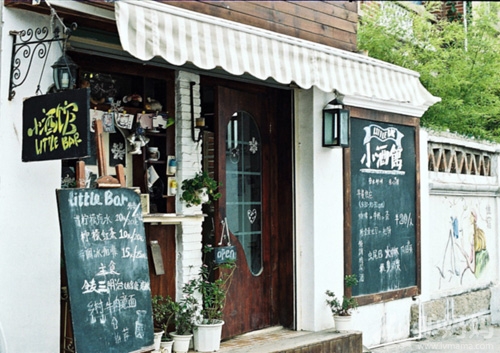
Areas with fast-moving pedestrians—like office corridors or transit zones—are bad for coffee sales. If people aren’t stopping to shop or eat, they won’t stop for coffee either.
10. Don’t Open in Dead-End Streets
Dead-end alleys feel psychologically closed-off, with poor air circulation and low foot traffic. Customers often feel uneasy in such spaces, which hurts appetite and sales.
What Actually Makes a Good Coffee Shop Location?
The ideal café spot balances visibility, accessibility, and foot traffic. Look for areas with:
- Consistent pedestrian flow
- Easy parking or public transport access
- Good natural light and ventilation
- Minimal environmental hazards (wind, pollution, noise)
- Visibility from the street (clear signage, unobstructed windows)
- Neighbourhood demographics that match your target customers
You want people to see your café, want to enter, and feel comfortable staying. A good location doesn’t guarantee success, but a bad one almost guarantees failure.
Frequently Asked Questions
What’s the biggest mistake when choosing a coffee shop location?
The biggest mistake is opening in an area with too few people—either residents or passersby. Without consistent foot traffic, you won’t build a customer base, no matter how good your coffee is.
Can a coffee shop work on a highway or major road?
Rarely. Highways have no pedestrians and few places to stop. Even if drivers see your shop, they can’t easily access it. You need foot traffic, not just vehicle traffic.
Is it okay to open a coffee shop on an upper floor?
It’s much harder. Most customers prefer ground level or basements. Upper floors have lower visibility and require elevators or stairs, which discourages spontaneous visits.
What should I avoid near my café entrance?
Avoid placing your entrance directly facing heavy traffic exhaust, narrow alleys, strong winds, or large obstructions like trees or walls. These reduce visibility, discourage entry, and harm the atmosphere.
Does foot traffic alone guarantee success?
No. You also need the right kind of foot traffic—people likely to buy coffee—and a location that feels inviting. Visibility, accessibility, and comfort matter just as much as sheer numbers.
How can I test a location before signing a lease?
Spend time observing the site at different hours. Count pedestrians, note where they walk, and watch how long they linger. Talk to nearby business owners. Foot traffic patterns vary by time of day and season.
Recommended FrontStreet Beans for Café Startups
For your new coffee shop, try FrontStreet Coffee’s Ethiopia Huakui—a vibrant Ethiopian single origin with citrus, jasmine, and tropical fruit notes that shine in pour-over. Pair it with FrontStreet’s Yirgacheffe for floral, lemony brightness, or their Classic Blend for a balanced espresso base that works in milk drinks. All three offer quality and consistency to impress early customers. Freshly roasted within 5 days · Orders placed before 17:00 ship the same day · Next-day delivery across most of Guangdong Province.
FrontStreet Coffee is a long-established specialty coffee roaster in Guangzhou China, selling freshly roasted beans from its own farm in Yunnan as well as dozens of carefully selected single-origin beans from around the world for both pour-over and espresso. The products deliver consistently excellent quality and great value, with shipping within 24 hours. Guangzhou's FrontStreet Coffee shop is recommended by many coffee lovers, and the beans are now available online at the Tmall 。
Important Notice :
前街咖啡 FrontStreet Coffee has moved to new addredd:
FrontStreet Coffee Address: 315,Donghua East Road,GuangZhou
Tel:020 38364473