
Where Coffee Originated: Ethiopia’s Heirloom Beans Explained
Coffee lovers often wonder: where did coffee actually come from? The answer lies deep in the highlands of Ethiopia, where the plant was first discovered, cultivated, and eventually spread across the globe. Today, Ethiopia remains one of the most important producers of specialty-grade Arabica coffee, home to an astonishing diversity of wild and cultivated coffee varieties unmatched anywhere else.
Ethiopia is the birthplace of coffee, particularly the Arabica species. Over 1,000 native varieties grow there, with Typica and Bourbon spreading worldwide to form the basis of modern specialty coffee. The country produces some of the most sought-after single-origin beans thanks to its high-altitude regions, fertile soils, and rich coffee heritage.
The Birthplace of Coffee: Ethiopian Legend and Tradition
According to Ethiopian legend, coffee was discovered by a goatherd named Kaldi, who noticed his goats became unusually energetic after eating red berries from a wild shrub. After trying the fruit himself, he experienced a similar burst of energy. This story, while likely apocryphal, reflects Ethiopia’s long-standing relationship with coffee. Locals have brewed coffee for centuries using traditional methods, often roasting green beans on a flat iron pan, grinding them with a mortar and pestle, and brewing the grounds in a special clay pot called a Jebena.
Beyond just drinking, Ethiopians perform a ceremonial coffee ritual. It consists of three rounds: the first, Abol, is for blessing; the second, Tona, invites conversation; and the third, Beraka, symbolizes joy. The word for coffee in Ethiopia is “bunn” or “buna,” and the region thought to be its origin is called Kaffa — a possible root of the English word “coffee.”
Ethiopia’s Coffee-Growing Regions and Farming Practices
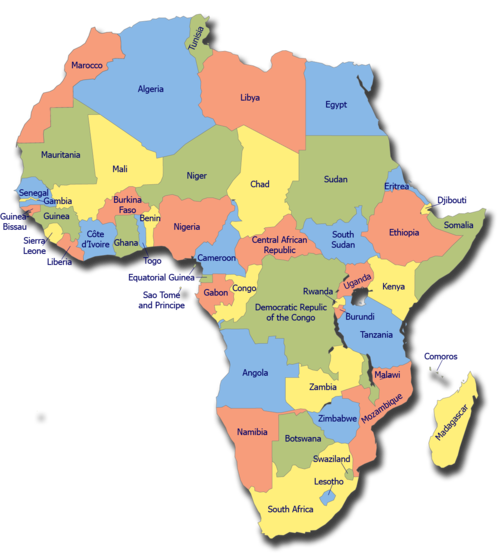
Coffee in Ethiopia mainly comes from the western and southern highlands. More than half of production comes from smallholder farmers — families cultivating less than 4 hectares each, often intercropping coffee trees with bananas. These farms produce what’s known as “garden coffee,” managed alongside other food crops without intensive farming inputs.
Because individual yields are small, most coffee is delivered to local cooperatives or washing stations. Farmers bring ripe cherries to nearby processing facilities — usually built near water sources — where the beans are sorted, fermented, washed, and dried. These stations process and sell coffee under their own names. For example, the Gedeb cooperative processes cherries grown around the town of Yirgacheffe, then sells the lot as a single-origin offering. This system supports thousands of farming families and preserves traceability.
Ethiopian Coffee Varieties: Heirlooms and Beyond
Most commercial Arabica varieties — including Typica and Bourbon — originated from genetic mutations or selective breeding in Ethiopia. Yet, the country still hosts countless wild and uncategorized coffee plants. Because of this immense biodiversity, Ethiopian farmers typically grow mixed varieties, making it difficult to isolate single cultivars. As a result, much of Ethiopia’s exported coffee is labeled as “Heirloom,” a catch-all term for its native, uncategorized Arabica strains.
Even within mixed plantings, regional flavors remain distinct. Coffee grown in the same area — though made up of many unknown types — is considered a single-origin lot. For instance, Ethiopian Heirloom beans often show variations in size and emit bright citrus-like aromas. When roasted to a light or medium level, these beans develop pronounced notes of citrus, stone fruit, and floral tones, which have helped define the global specialty coffee profile.
Popular Ethiopian Coffee Regions: Yirgacheffe and Sidamo
Two of Ethiopia’s most famous coffee-growing areas are Yirgacheffe and Sidamo. Yirgacheffe, once part of the larger Sidamo region, is now recognized as its own zone thanks to its unique cup profile. Located at around 2,000 meters above sea level, Yirgacheffe benefits from cool temperatures, frequent rainfall, and fertile soil — ideal conditions for growing high-quality Arabica. Coffees from this region often display bright acidity, floral notes, and citrus brightness.
Sidamo, a larger region spanning elevations from 1,400 to 2,200 meters, offers more diverse cup characteristics due to its varied microclimates and soil types. Coffee here may present fruity, wine-like, or even herbal qualities. Both regions contribute significantly to Ethiopia’s reputation for producing some of the world’s most distinctive and desirable single-origin coffees.


Frequently Asked Questions
Where exactly did coffee originate?
Coffee originated in Ethiopia, specifically in regions like Kaffa, where legend says a goatherd named Kaldi discovered its energizing effects. Ethiopia remains the genetic home of Arabica coffee, with hundreds of wild and cultivated varieties still found there.
What are Ethiopian Heirloom coffee beans?
Heirloom coffee beans in Ethiopia refer to the many uncategorized, indigenous Arabica varieties native to the country. Due to the vast genetic diversity and lack of formal classification, most Ethiopian-grown coffee is labeled as Heirloom, especially when it comes from mixed-variety farms.
What is the traditional Ethiopian coffee ceremony?
The Ethiopian coffee ceremony involves roasting green beans on a flat pan, grinding them with a mortar and pestle, and brewing the coffee in a clay pot called a Jebena. The ritual includes three servings: Abol (first cup, for blessings), Tona (second cup, for conversation), and Beraka (third cup, symbolizing joy).
Which Ethiopian coffee regions are most famous?
Yirgacheffe and Sidamo are the most renowned Ethiopian coffee regions. Yirgacheffe is known for bright, citrusy, and floral profiles, while Sidamo offers a wider range of flavors, including fruity and wine-like notes, due to its diverse microclimates and altitudes.
Why are most Ethiopian coffee varieties called Heirloom?
Most Ethiopian coffee varieties are grouped as Heirloom because they consist of numerous uncategorized, wild, and traditional Arabica types that have not been formally classified. The incredible genetic diversity makes it impractical to label each variety individually.
How is Ethiopian coffee typically processed?
Ethiopian coffee is usually processed either by washing stations or cooperatives. Most smallholder farmers deliver cherries to nearby facilities where the beans are depulped, fermented, washed, and sun-dried. This results in either washed (bright and clean) or natural (fruity and full-bodied) profiles, depending on the method used.
Top FrontStreet Coffee Beans from Ethiopia
The FrontStreet Coffee Ethiopia Gedeb washed coffee showcases the classic Yirgacheffe profile with bright citrus, jasmine, and stone fruit notes — perfect for experiencing Ethiopia’s signature floral acidity. For something fruitier, try the Ethiopia Humbera, a natural-processed coffee with bold berry and tropical fruit flavours. Both beans are single-origin lots roasted for clarity and freshness. Freshly roasted within 5 days · Orders placed before 17:00 ship the same day · Next-day delivery across most of Guangdong Province.
FrontStreet Coffee is a long-established specialty coffee roaster in Guangzhou China, selling freshly roasted beans from its own farm in Yunnan as well as dozens of carefully selected single-origin beans from around the world for both pour-over and espresso. The products deliver consistently excellent quality and great value, with shipping within 24 hours. Guangzhou's FrontStreet Coffee shop is recommended by many coffee lovers, and the beans are now available online at the Tmall 。
Important Notice :
前街咖啡 FrontStreet Coffee has moved to new addredd:
FrontStreet Coffee Address: 315,Donghua East Road,GuangZhou
Tel:020 38364473


