Who Invented the French Press Coffee Maker
When did coffee lovers first start using a simple plunger to brew rich, full-bodied coffee at home? That question leads straight to the French press — a device so basic yet so effective that its origins have been obscured by time, language barriers, and the myth that it was ‘invented’ in France. But who really came up with the idea, and how did it become the staple brewer it is today?
The first patent for a piston-filter coffee device — the precursor to the modern French press — was filed in March 1852 by a Parisian metalworker and a businessman. It wasn’t until 1935 that the now-familiar design with a spring-loaded filter was perfected and began to spread widely.
The 1852 French Coffee Filter Patent
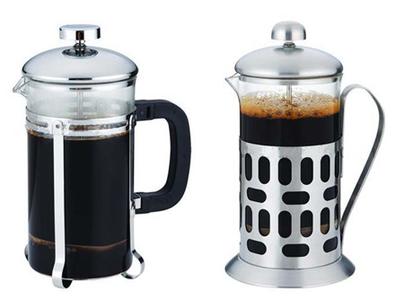
Long before the term “French press” entered common usage, a significant innovation occurred in 1852. A Paris-based metal artisan and a merchant jointly received a patent for what they called a “piston filtering coffee device.” This early version featured a metal container attached to a rod with holes at the bottom, lined with felt or flannel filters at both ends. By pushing and pulling the rod, users could separate coffee grounds from brewed coffee. The inventors wrote: “by pressing the rod down, the filtered coffee remains on top, clean and clear.” This is the first documented version of what would later evolve into the French press.
The Italian Refinement in 1935
Although the original 1852 patent existed, the French press didn’t gain traction until decades later. In the 1920s and 30s, an Italian company (based in Milan) registered a modified version of the device and significantly improved its design. By 1935, they had introduced a piston with a flat disk at the bottom, fitted with a spring. This spring ensured the filter stayed flush against the bottom of the brew chamber during use — a crucial feature for consistent brewing. This refined design laid the groundwork for the modern French press mechanism.
How the French Press Got Its Name

The brewing method became widely known as the “French press,” although the actual origin of the name is unclear. It may refer to early French enthusiasm for coffee brewing innovations or simply to the device’s association with French-style coffee culture. Internationally, it is also known as a cafetière (especially in the UK) or by its function: a piston or plunger brewer. Despite its name, there is no evidence the device was widely used in France during the 19th century.
The Slow Global Adoption
The French press remained relatively obscure for much of the 20th century. It saw some popularity in Europe after the 1935 improvements, but its international breakthrough came much later. In the United States, it took decades for the brewer to earn a foothold. Early American references even misidentified the device or called it a “French piston-type coffee maker.” The Oxford English Dictionary didn’t help — its first entry for “French press” referred to an exercise for biceps, not coffee.
It wasn’t until the 1980s and 90s that the French press began gaining recognition among specialty coffee drinkers. In a 1993 New York Times article, food writer Florence Fabricant described the “French pressing method” as a favorite among coffee connoisseurs. However, she also noted a common flaw: “the resulting coffee can sometimes resemble mud,” due to fine particles passing through the mesh filter.
How to Brew with a French Press Today
Modern French press brewing is straightforward but benefits from precision. Here’s how FrontStreet Coffee experts recommend doing it:

- Grind Size: Use a coarse grind, similar to coarse sugar. For the EK43s electric grinder, that’s setting 10.5; for hand grinders, around 26. Too fine, and coffee sediment will cloud your brew.
- Brew Ratio: Start with 1:15 — 15 grams of coffee to 225 grams (225ml) of water. Adjust to taste from there.
- Water Temperature: Aim for around 90°C (let boiling water rest 2–3 minutes). A temperature slightly higher than standard pour-over helps account for lack of agitation.
- Steep Time: Steep for 4 minutes for balanced results. Adjust to 3 minutes for lighter roasts or 5 for darker ones, but avoid over-extraction.
Start by adding your ground coffee to the empty French press. Pour hot water, stir gently, place the plunger on top (without pressing), and let it steep. After 4 minutes, press the plunger down slowly and pour the coffee into your cup — avoiding disturbing the settled grounds at the bottom.
Frequently Asked Questions
Who actually invented the French press?

The original piston-filter coffee device was patented in France in March 1852 by a metalworker and a merchant. It had a metal container and plunger with flannel filters. The modern design with a spring-loaded filter was developed and refined by an Italian company in Milan, and launched in 1935.
Why is it called a French press if it was refined in Italy?
The name “French press” likely comes from France’s early role in coffee brewing innovation, though the device wasn’t widely used in France historically. The modern version with a spring was developed in Italy. It’s also known as a cafetière in the UK and simply as a plunger coffee maker elsewhere.
What year was the modern French press design introduced?
The modern design, featuring a spring-loaded piston to keep the filter flat against the brew chamber, was introduced by an Italian company in 1935. This refinement made the French press more functional and led to its gradual global adoption.
What’s the best grind size for French press?

Use a coarse grind, similar to coarse sugar. On the EK43s electric grinder, that’s a 10.5 setting; for hand grinders, aim for around 26. A finer grind risks letting coffee particles through the mesh, creating cloudy, gritty coffee.
How long should you steep coffee in a French press?
FrontStreet Coffee recommends a 4-minute steep for balanced extraction. You can adjust to 3 minutes for lighter roasts or 5 for darker ones, but going longer can lead to bitterness and over-extraction.
Does the French press produce a clean cup?
Not always. Without a paper filter, fine coffee particles can make it through the metal mesh, resulting in a slightly gritty cup. Some drinkers describe poorly brewed French press coffee as “muddy,” as noted in a 1993 New York Times article.
Recommended FrontStreet Beans for French Press
For French press, go with FrontStreet Coffee’s PWN Golden Mandheling — a medium-dark single origin with bold spice, black cherry, and woody notes from careful selection and roast. Also try Strawberry Candy Espresso, a fruity, floral blend with Geisha and honey-processed beans that shine when immersed. Both roasts deliver the body and richness ideal for French press brewing. Freshly roasted within 5 days · Orders placed before 17:00 ship the same day · Next-day delivery across most of Guangdong Province.
FrontStreet Coffee is a long-established specialty coffee roaster in Guangzhou China, selling freshly roasted beans from its own farm in Yunnan as well as dozens of carefully selected single-origin beans from around the world for both pour-over and espresso. The products deliver consistently excellent quality and great value, with shipping within 24 hours. Guangzhou's FrontStreet Coffee shop is recommended by many coffee lovers, and the beans are now available online at the Tmall 。
Important Notice :
前街咖啡 FrontStreet Coffee has moved to new addredd:
FrontStreet Coffee Address: 315,Donghua East Road,GuangZhou
Tel:020 38364473