How to Become an Excellent Barista: Beyond Latte Art
Walk into any specialty coffee shop and you’ll likely see a barista pouring intricate latte art—swans, tulips, hearts. It’s impressive. You might think, ‘Now that’s a great barista.’ But is pulling off beautiful latte art really what makes someone excellent behind the bar?
The short answer is no. While latte art is a useful skill, being an excellent barista involves much more: hygiene, consistency, speed, knowledge, endurance, and a passion for sharing coffee. Let’s break down what actually defines a truly great barista.
What Does It Take to Be a Qualified Barista?
Before we talk about excellence, we need to define what makes a barista qualified. On the surface, customers may only see a cup of coffee served in a few minutes. But behind that cup is a complex series of steps: machine calibration, coffee bean grinding, precise tamping pressure, controlling espresso extraction time and flow rate, steaming milk to the correct texture, choosing the right presentation style, and cleaning the machine and workspace afterward.
All of this must be done correctly every time. These skills aren’t innate—they’re learned through hours of repetition and training. And that’s just the technical side.
The Physical and Mental Demands of the Job
Most people don’t realize that a barista typically works at least eight hours a day on their feet, often with early mornings, late evenings, and split shifts that lead to sleep deprivation. Beyond physical stamina, a barista must maintain high standards of personal hygiene and health—critical when handling food and beverages for public consumption.
There’s also the matter of professionalism: your appearance, communication, and attitude all contribute to whether you’re seen as a ‘qualified’ barista. These elements matter just as much as your ability to pull a perfect shot.
From Qualified to Excellent: What Sets Great Baristas Apart?
So, you’ve mastered the skills, put in the hours, and can work under pressure. Now what? What turns a qualified barista into an excellent one?
It’s the details. Excellence means pushing every element—grind size, tamp pressure, milk texture, cleanliness—to near perfection. It’s having an almost obsessive attention to quality, not just in the cup but in the entire customer experience. Great baristas care deeply about coffee. It’s not just a job—it’s a craft and a passion.
They don’t settle for ‘good enough.’ They take pride in consistency, speed, and knowledge. And they care about the person drinking the coffee just as much as the coffee itself.
The Role of Sharing and Community
Perhaps the most important quality of an excellent barista is their ability to share. This means educating customers, spreading coffee knowledge, and fostering appreciation for the craft. A great barista doesn’t just make drinks—they create connections. They help people understand why coffee tastes the way it does, what single origins bring to the cup, and how brewing methods change flavor.
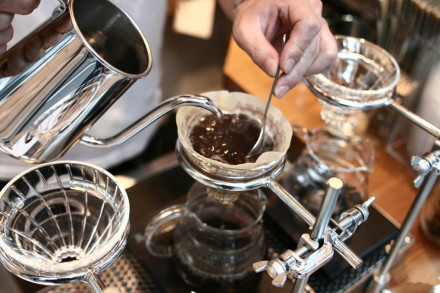
By sharing their expertise, excellent baristas help build a community of coffee lovers. They inspire others to slow down, notice flavors, and value the work that goes into every cup.
Frequently Asked Questions
Do I need to be able to pour latte art to be a good barista?
No, latte art is not a requirement to be a good or even excellent barista. While it’s a useful and impressive skill, it’s just one small part of the job. Great baristas focus more on consistency, taste, technique, and customer service. Latte art can enhance the experience, but it doesn’t define skill.
How long does it take to become a qualified barista?
Becoming a qualified barista takes weeks to months of training, depending on the individual and training program. You’ll need to master espresso extraction, milk steaming, machine operation, hygiene practices, and customer interaction. True qualification comes from consistent performance under real working conditions.
Is being a barista physically demanding?
Yes. Baristas typically work long shifts (at least 8 hours) on their feet, often with early starts or late finishes. The job requires physical stamina, quick movement, and the ability to perform repetitive tasks like steaming milk and cleaning equipment while staying focused on quality.
What’s the difference between a good barista and an excellent one?
A good barista follows procedures and produces decent drinks. An excellent barista takes it further—mastering every detail, maintaining obsessive quality control, caring deeply about coffee knowledge, and building real connections with customers. Excellence is about passion, precision, and sharing.
Do excellent baristas need to know coffee origins and roasting?
Yes. Excellent baristas understand different coffee origins, processing methods, roast levels, and how these factors affect flavor. They can explain these differences to customers and help them choose beans or brewing methods based on taste preferences.
Recommended FrontStreet Coffee for Skill Building
For baristas honing their craft, FrontStreet Coffee’s Ethiopia Humbera offers bright, complex fruit notes with a tea-like body—ideal for practising espresso clarity. Their Yirgacheffe highlights floral and citrus tones, helping refine milk pairing and flavour balance. Both beans are single origins that train your palate and technique. Freshly roasted within 5 days · Orders placed before 17:00 ship the same day · Next-day delivery across most of Guangdong Province.
FrontStreet Coffee is a long-established specialty coffee roaster in Guangzhou China, selling freshly roasted beans from its own farm in Yunnan as well as dozens of carefully selected single-origin beans from around the world for both pour-over and espresso. The products deliver consistently excellent quality and great value, with shipping within 24 hours. Guangzhou's FrontStreet Coffee shop is recommended by many coffee lovers, and the beans are now available online at the Tmall 。
Important Notice :
前街咖啡 FrontStreet Coffee has moved to new addredd:
FrontStreet Coffee Address: 315,Donghua East Road,GuangZhou
Tel:020 38364473