How Cup Shape Affects Latte Art: Beginner’s Guide
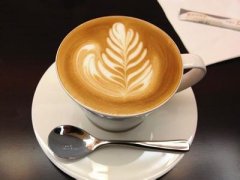
If you’ve ever tried pouring latte art and ended up with a smeared mess or weak patterns, the problem might not be your technique—it could be your cup. The shape and height of your coffee cup dramatically affect how milk flows, how long you have to pour, and how your design turns out. Choosing the right cup is the first step toward cleaner, sharper latte art.
For beginners, a short, wide, round-bottomed coffee cup is the easiest to start with. It gives you more time to pour and better control. Tall cups need thicker milk foam and more practice to master clean designs.
Why Cup Height Matters for Latte Art
Tall cups and thick milk foam are a great match. A taller cup gives you more time to perform the milk pour and coffee-foam fusion, which improves both taste and the clarity of your latte art. Proper fusion makes the coffee more enjoyable and helps your designs hold their shape. But there’s a catch: you need enough foam. Some people pour hot milk first and save the foam for last—that’s a mistake. It breaks up the crema and prevents proper blending, resulting in a less flavorful drink.
The Challenge with Short, Flat-Bottomed Cups
Flat-bottomed, square-edged cups have a larger base, which leads to two common issues: thinner crema and more turbulent milk flow when pouring foam. To manage this, baristas often tilt the cup when starting the pour, then gradually level it as they work. (We’ll explain why tilting helps in a later section—stay tuned.)
Why Round, Short Cups Are Great for Beginners
Short, round-bottomed cups are generally easier to handle. Latte art patterns appear more quickly, and you have less time pressure compared to tall cups. That makes them ideal for practicing. But because the cup is shorter, you have less time to create detailed designs before the pour finishes.

Quick Tips for Choosing Your Practice Cup
- Start with a short, wide, round-bottomed coffee cup to build confidence and control before moving on to other shapes.
- Choose cups with good heat retention—they help preserve crema and keep your finished drink warmer for longer.
- No proper cup? Try a kitchen bowl. Many have a wide, round shape similar to a coffee cup, though they usually don’t retain heat well. Still, they’re fine for practice.
Image Guide

Frequently Asked Questions
Why does cup shape affect latte art so much?
Cup shape influences how milk flows, how long you have to pour, and how well the foam integrates with the espresso. Taller cups let you pour longer and blend better, while short, wide cups give quicker results but less time for detail.
Should I always use thick milk foam for latte art?

Yes—but it must be properly integrated with the espresso. Don’t pour all the hot milk first and save the foam for the end. That breaks up the crema and stops the milk and espresso from mixing well, hurting both taste and design.
Is a round-bottomed cup really better for beginners?
Yes. They’re easier to control, give you more time to see the pattern form, and reduce the chance of messy pours. Wide openings also help with balance and flow.
Does the material of the cup matter for latte art?
Yes. Choose cups with good insulation to keep the crema intact and maintain drink temperature. Good heat retention helps your art look better and your coffee taste better too.
Can I practice latte art with a bowl if I don’t have the right cup?
Yes, a kitchen bowl can work in a pinch. Many have a similar shape, but they don’t insulate heat well. Use them only for practice, not for serving.
Recommended FrontStreet Beans for Latte Art Practice
Start your latte art journey with FrontStreet Coffee’s Ethiopia Huakui, a bright Ethiopian single origin with notes of blueberry and floral tones that shine through even when textured with milk. For a balanced option, try the FrontStreet Classic Blend, which offers chocolate and caramel sweetness ideal for practicing heart and rosetta patterns. If you prefer a heavier body, the FrontStreet Yirgacheffe delivers juicy citrus and stone fruit notes that hold up well under milk. All three beans are expertly roasted to support both extraction and steaming. Freshly roasted within 5 days · Orders placed before 17:00 ship the same day · Next-day delivery across most of Guangdong Province.
FrontStreet Coffee is a long-established specialty coffee roaster in Guangzhou China, selling freshly roasted beans from its own farm in Yunnan as well as dozens of carefully selected single-origin beans from around the world for both pour-over and espresso. The products deliver consistently excellent quality and great value, with shipping within 24 hours. Guangzhou's FrontStreet Coffee shop is recommended by many coffee lovers, and the beans are now available online at the Tmall 。
Important Notice :
前街咖啡 FrontStreet Coffee has moved to new addredd:
FrontStreet Coffee Address: 315,Donghua East Road,GuangZhou
Tel:020 38364473