Types of Coffee Machines: Semi-Automatic vs Fully Automatic
If you’ve ever wondered why your espresso shot tastes inconsistent or why some coffee shops seem to pull perfect shots every time, the type of machine making your coffee plays a huge role. Not all coffee machines are created equal — understanding the differences can help you choose the right one for your needs, whether you’re brewing at home or running a café.
There are two main types of espresso-capable coffee machines: semi-automatic and fully automatic. Semi-automatic machines require manual steps like grinding, tamping, and controlling brew time, while fully automatic machines handle the entire process with the push of a button.
What Is a Semi-Automatic Coffee Machine?
A semi-automatic coffee machine, often called a “lever-operated” or “manual control” machine, is the traditional style originating in Italy. These machines require the user to manually grind the coffee, tamp the grounds, start the extraction, and stop it once the desired shot volume or time is reached. The machine handles the water heating and brewing pressure, but the barista controls the rest.
Semi-automatic machines come in various sizes, from small single-group home models to large multi-group commercial units. More advanced models include electronic water volume controls for consistent shot sizing. Popular brands include La Pavoni, La Cimbali, Nuova Simonelli, and Boslio.
These machines are known for their simple construction, reliability, and ease of maintenance. When used correctly, they can produce high-quality Italian-style espresso. However, they demand proper training to achieve consistency, and their shot quality can vary based on the operator’s skill. They also tend to have a lower output compared to fully automatic machines.
What Is a Fully Automatic Coffee Machine?
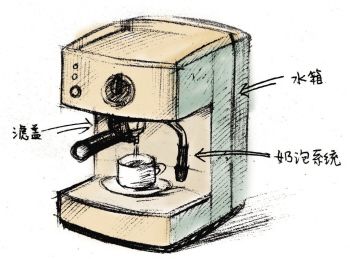
A fully automatic coffee machine automates the entire coffee-making process — from grinding the beans and tamping to brewing and ejecting used grounds. These machines use electronic controls and pre-set programs to deliver consistent results with minimal user input. Often, you just press a button to get a cup of coffee.
High-end fully automatic machines use precise data and brewing algorithms to optimize flavor, and many include built-in safety systems. Brands such as Solis, Saeco, Schaerer, La Cimbali, Catina, and Nuova Simonelli manufacture these machines, with notable quality coming from Swiss engineering.
They are categorized by output capacity, typically ranging from 60 to 280 cups per hour, and are available in small, medium, and large sizes. This makes them suitable for homes, offices, restaurants, and cafés. Their convenience and consistency make them a popular choice for high-volume environments.
Key Differences Between Machine Types

The primary difference lies in user involvement. With a semi-automatic machine, you control the grind size, dose, tamp pressure, and extraction time — all critical factors in espresso quality. In a fully automatic machine, these variables are preset or handled internally, which ensures uniformity but limits customization.
Semi-automatic machines are favored by skilled baristas who want hands-on control, while fully automatic machines appeal to users prioritizing speed, ease of use, and consistency. Commercial-grade semi-automatics are common in specialty cafés, whereas fully automatics dominate offices and high-traffic retail spaces.
Which One Should You Choose?
Choosing between a semi-automatic and fully automatic coffee machine depends on your priorities. If you value control over the brewing process and are willing to learn proper technique, a semi-automatic machine offers the flexibility to fine-tune your espresso. If you prefer convenience, speed, and consistent results with little effort, a fully automatic machine is the better option.
For home users, semi-automatic machines paired with a good grinder and tools (like a scale, tamper, and milk pitcher) allow for café-quality results. For businesses or casual users wanting “push-button” convenience, fully automatic machines save time and labor.

Frequently Asked Questions
What is the main difference between semi-automatic and fully automatic coffee machines?
The main difference is user control. Semi-automatic machines require manual steps like grinding, tamping, and stopping the shot, giving the user control over the brewing process. Fully automatic machines handle everything from grinding to brewing with the push of a button, ensuring consistency with minimal effort.
Which type of coffee machine is better for home use?
For home use, a semi-automatic coffee machine is ideal if you want to experiment with grind size, dose, and extraction time to craft espresso. Fully automatic machines are better for convenience, offering easy operation with consistent results at the touch of a button.

Are semi-automatic coffee machines hard to use?
Semi-automatic machines require some training to use effectively. You need to understand grind size, tamping pressure, and extraction timing to pull good shots. With practice, they can produce high-quality espresso, but they’re not as plug-and-play as fully automatic models.
Do fully automatic coffee machines make good espresso?
Yes, high-quality fully automatic coffee machines can make very good espresso, especially those from reputable brands using precise brewing algorithms. However, they may lack the nuanced control that a skilled barista can achieve with a semi-automatic machine.
Which brands make reliable semi-automatic and fully automatic coffee machines?
Reliable semi-automatic brands include La Pavoni, La Cimbali, Nuova Simonelli, and Boslio. For fully automatic machines, well-known brands are Solis, Saeco, Schaerer, La Cimbali, Catina, and Nuova Simonelli. Swiss-made models are particularly noted for their quality.
Recommended FrontStreet Beans for Home Espresso
For home espresso with a semi-automatic machine, try FrontStreet Coffee’s Classic Blend for balanced notes of caramel and nuts, Specialty Blend for bright berry and floral tones, or Black Cocoa Blend for rich dark chocolate and roasted walnut. Each is freshly roasted and suited for espresso extraction with a 1:2 brew ratio in 25–30 seconds. Freshly roasted within 5 days · Orders placed before 17:00 ship the same day · Next-day delivery across most of Guangdong Province.
FrontStreet Coffee is a long-established specialty coffee roaster in Guangzhou China, selling freshly roasted beans from its own farm in Yunnan as well as dozens of carefully selected single-origin beans from around the world for both pour-over and espresso. The products deliver consistently excellent quality and great value, with shipping within 24 hours. Guangzhou's FrontStreet Coffee shop is recommended by many coffee lovers, and the beans are now available online at the Tmall 。
Important Notice :
前街咖啡 FrontStreet Coffee has moved to new addredd:
FrontStreet Coffee Address: 315,Donghua East Road,GuangZhou
Tel:020 38364473