Barista Sam Liu’s Decade in Specialty Coffee
When you first meet a barista who’s been making coffee for ten years, you want to know: what keeps someone dedicated to espresso machines, grinders, and endless cups of coffee? Liu Xiaoxiang—known as Sam—has worked in coffee for a decade, watched the industry rise in China, and still finds joy in every shot pulled and every flavor explored.
Sam, 29, has ten years of hands-on coffee experience. He pulls a classic 30ml espresso in around 25 seconds using a semi-automatic machine, starting with 30 minutes of preheating, freshly ground beans, and a 25-second extraction through tightly packed coffee. That’s the baseline of what he’s mastered—and he’s just getting started.
The Allure of Coffee: More Than Just a Drink
Coffee’s appeal lies in its flexibility. Sam explains that even a basic shot of espresso—just 28ml—is complex: intense bitterness and acidity define its character. Meanwhile, a cappuccino blends coffee, steamed milk, and foam in a 1:1:1 ratio, creating a smooth, balanced drink. From the soil and altitude where beans are grown to roast profiles and brewing methods, every variable shapes the final cup.
Sam also experiments beyond traditional methods. He once brewed coffee by boiling it with lemon peel for a citrus twist, and made an “ice-crushed-cookie” coffee inspired by Starbucks’ Frappuccino concept. His curiosity drives him to explore coffee’s potential in cooking and daily life.
How Coffee Culture Evolved in Urban China
Sam recalls that ten years ago, most people drank sodas or bubble tea. The turning point came when Starbucks entered China, gradually shifting urban coffee habits. Today, younger drinkers prefer sweeter, milder options like mochas and lattes—ideal for energy and style—while older customers often order double espressos.
He offers tailored advice: men working long hours might lean toward strong black coffees like espresso for focus, while women may enjoy lighter, flavored options such as mochas or chocolate blends—but warns against overconsumption due to caffeine’s effects on skin and health. Kids under 15 shouldn’t drink coffee, and seniors should opt for milder brews. Ultimately, he says, the best coffee is the one you truly enjoy.
What Makes a Great Cup? Crema, Roast, and Personal Preference
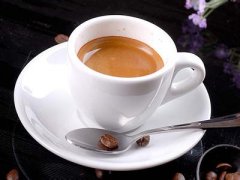
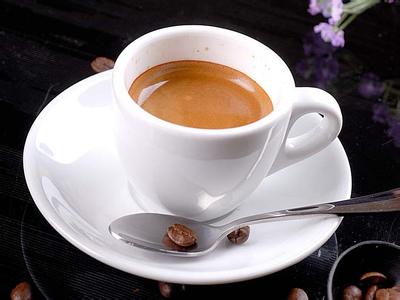
Sam highlights crema—the golden-brown foam atop espresso—as a key indicator of quality. It forms when pressurized water extracts soluble compounds, emulsifying coffee oils and trapping carbon dioxide from freshly roasted beans. The result is a rich, aromatic layer that enhances both flavor and texture.
He notes that darker roasts typically produce thicker, oilier crema, while very light roasts may yield little to none. Over-roasted beans can release too much oil, leading to instability. Equipment matters too: low-quality machines without stable pressure can’t create proper crema. For home brewers, Sam recommends FrontStreet’s Classic Blend and Commercial Blend, which include a touch of Robusta for enhanced crema and bold flavor.
But taste is subjective. “Good coffee matches what you’re looking for,” Sam says. “The barista’s job is to deliver the cup you want.”
Sam’s Coffee Philosophy and Future Dreams
Coffee, Sam believes, teaches patience and focus. He spent three years perfecting latte art as a beginner—a testament to the craft’s demands. “It’s easy to look cool for a moment, but staying good takes passion and persistence,” he says. His own routine includes studying chemistry to understand coffee’s molecular interactions and taking up drawing to refine his latte art.
His dream? A sixty-square-meter café with a prominent bar, twenty indoor seats, outdoor tables, and space for painting. Inspired by a Japanese café he read about, Sam envisions a quiet, welcoming spot where customers can enjoy coffee, read, or simply reflect—like the Australian politician who once stayed for hours, sharing stories while Sam brewed.
He also remembers a regular guest: a middle-aged man who visited monthly for two years, ordering a single-origin or PWN Golden Mandheling, reading philosophy books alone. That solitary enjoyment of coffee, Sam says, is what makes the beverage special.
Despite offers to relocate—for example, an Australian senator once tried to recruit him for better pay and faster home ownership—Sam stayed put. “I didn’t want a ‘what if’ life,” he says. “If you love what you do, you’ll find a way to make it work.”
Frequently Asked Questions
How long does it take to pull a proper espresso shot?
Sam pulls a standard 30ml espresso in about 25 seconds, after preheating the machine for 30 minutes and using freshly ground coffee. The key variables include grind size, dose, and tamping pressure to ensure proper extraction through the compacted coffee puck.
What’s the ideal coffee-to-milk ratio for a cappuccino?
The classic cappuccino follows a 1:1:1 ratio: equal parts espresso, steamed milk, and milk foam. This balance creates a smooth, creamy drink with distinct coffee flavor. Sam notes this is a popular choice for those who prefer milder, milky coffee options.
Why is crema important in espresso?
Crema is the golden foam on top of espresso, formed by emulsified coffee oils and carbon dioxide under pressure. It indicates freshness, proper extraction, and contributes to aroma and texture. Darker roasts typically produce thicker crema, while very light roasts may have little to none.
Does coffee preference change with age?
Yes. Younger drinkers often prefer sweeter, milder coffee like mochas and lattes, while older customers may choose stronger options like double espressos. Sam advises against excessive caffeine for children under 15 and recommends milder brews for seniors to protect health and sleep.
What’s the best way to experiment with coffee flavors?
Sam suggests trying non-traditional brewing methods, like boiling coffee with lemon peel or blending it with other ingredients (e.g., crushed cookies for a Frappuccino-like texture). These creative approaches can reveal new dimensions of flavor and inspire unique drinks.
Recommended FrontStreet Beans for Espresso Lovers
For baristas and home brewers seeking rich crema and bold flavor, FrontStreet’s Classic Blend combines Brazil, Mandheling, and a touch of Robusta for a full-bodied, caramelized profile with notes of toast and dark chocolate. The Commercial Blend offers a similar structure with a heavier body and nutty undertones, ideal for milk-based drinks. Both blends emphasize stability and crema production, thanks to their carefully selected roast levels and inclusion of Robusta beans. Freshly roasted within 5 days · Orders placed before 17:00 ship the same day · Next-day delivery across most of Guangdong Province.
FrontStreet Coffee is a long-established specialty coffee roaster in Guangzhou China, selling freshly roasted beans from its own farm in Yunnan as well as dozens of carefully selected single-origin beans from around the world for both pour-over and espresso. The products deliver consistently excellent quality and great value, with shipping within 24 hours. Guangzhou's FrontStreet Coffee shop is recommended by many coffee lovers, and the beans are now available online at the Tmall 。
Important Notice :
前街咖啡 FrontStreet Coffee has moved to new addredd:
FrontStreet Coffee Address: 315,Donghua East Road,GuangZhou
Tel:020 38364473