4 Popular Coffee Shop Interior Design Styles Explained
If you’re planning a coffee shop or just wondering why some cafés feel right while others miss the mark, interior style plays a huge role. From the wrong choice of furniture to an overly complicated layout, many owners struggle to pick a look that fits both their brand and their space. Here’s how the most common café design styles actually work—and what to consider before choosing one.
In short, the four most popular coffee shop design styles are: light Chinese or European (a toned-down fusion), Western industrial (raw and edgy), modern (clean and functional), and natural (organic and minimalist). Each offers a different vibe, cost level, and spatial requirement. Choosing the right one depends on your space size, target customer, and brand identity.
1. Light Chinese or Light European Style
Full traditional Chinese or European décor is rare in modern cafés because it demands high ceilings, large floor plans, and a significant budget. Instead, many successful shops use a ‘light’ version: incorporating subtle decorative elements like Chinese screens, lattice doors, or European-style plaster moldings and faux fireplaces. These are paired with accent pieces such as Chinese ink paintings, antique vases, or oil paintings, and furniture choices like classic wooden chairs or restored European-style tables. The goal is mood over mimicry—evoking a cultural aesthetic without strict historical accuracy. The challenge? Getting the proportions right so the space feels intentional, not cluttered or theme-park-ish.
2. Western Industrial Style
This look is defined by minimalism and individuality. It highlights raw materials and modern industrial elements like exposed metal (stainless steel, chrome), unique glassware, and custom-built furniture. Think exposed brick, ductwork left visible, salvaged wood, and utilitarian lighting. Industrial cafés often feature mismatched seating, open ceilings, and bold color choices following current trends. The philosophy is functionality and self-expression: skip unnecessary ornamentation and let the architecture and furnishings speak for themselves. This style works especially well in older buildings with character, and it’s popular among shops wanting an urban, creative edge.
3. Modern Style
Modern café design prioritizes simplicity, practicality, and comfort. There are no overly complex shapes or heavy decorations. The focus is on creating a relaxed, functional environment for busy urban customers. Furniture and color schemes are carefully chosen rather than lavishly invested in. Layouts are efficient, with smart use of space and clean lines. This style doesn’t chase luxury or bold statements—it aims for a timeless, uncluttered look that’s easy to maintain and affordable to execute. The key is in the details: the right chair, the right wall tone, and the right layout can transform a basic room into a pleasant, efficient coffee haven.
4. Natural Style
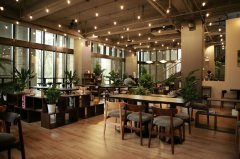
Natural-style cafés embrace a back-to-basics approach. They avoid synthetic materials and instead use organic elements like wood, stone, rattan, and cotton fabrics. Many incorporate small indoor greenery or landscape features to bring a bit of nature indoors. The result is a calming, earthy atmosphere that offers a mental escape from screen-heavy, paper-filled urban life. This style is ideal for creating a cozy refuge or ‘urban oasis.’ It appeals most to customers who value sustainability, simplicity, and a connection to the natural world. Think wooden tables, stone accents, potted plants, and linen napkins—nothing flashy, everything grounded.
Frequently Asked Questions

What is light Chinese or light European café style?
It’s a modernized, simplified version of traditional Chinese or European décor. Instead of fully replicating historical styles, it uses select decorative elements—like Chinese screens, lattice windows, or plaster moldings—and accents such as ink paintings, vases, or antique furniture. The aim is to create a themed ambiance without the cost or space demands of full traditional design.
What defines a Western industrial coffee shop interior?
Industrial style is raw, minimal, and functional. It uses exposed materials like metal, brick, and wood, along with utilitarian furniture and lighting. Decor avoids excess, and the look often includes visible ducts, salvaged wood, and edgy color palettes. It suits older buildings and creates an urban, creative vibe.
How is modern coffee shop design different?
Modern style focuses on clean lines, simple shapes, and a lack of ornate detail. It emphasizes comfort and practicality over luxury or bold statements. The layout is efficient, the color scheme restrained, and the furniture chosen for function and subtle style. It’s cost-effective and widely appealing.
What makes a natural style café different?
Natural cafés use organic materials like wood, stone, rattan, and cotton. They often include plants or small green spaces to bring nature inside. The style avoids synthetic elements and aims for a tranquil, earthy environment. It’s ideal for creating a relaxing, eco-conscious retreat in the city.
Does café size affect which style I should choose?
Yes. For example, traditional or European-inspired styles need higher ceilings and more space to feel authentic, while industrial and modern styles are more adaptable to smaller or boxier locations. Natural style can work in most spaces but benefits from room for greenery and organic layouts.
Recommended FrontStreet Coffee Beans for Café Ambience
For cafés aiming to match these design styles, FrontStreet Coffee’s Ethiopia Huakui offers bright floral and citrus notes with a juicy body—ideal for modern or natural-themed spaces. Their Yirgacheffe delivers lemon, bergamot, and honey tones, perfect for bright, airy interiors. Alternatively, the Classic Blend provides balanced chocolate and nut notes, suiting industrial or light European décors. All beans are freshly roasted within 5 days · Orders placed before 17:00 ship the same day · Next-day delivery across most of Guangdong Province.
FrontStreet Coffee is a long-established specialty coffee roaster in Guangzhou China, selling freshly roasted beans from its own farm in Yunnan as well as dozens of carefully selected single-origin beans from around the world for both pour-over and espresso. The products deliver consistently excellent quality and great value, with shipping within 24 hours. Guangzhou's FrontStreet Coffee shop is recommended by many coffee lovers, and the beans are now available online at the Tmall 。
Important Notice :
前街咖啡 FrontStreet Coffee has moved to new addredd:
FrontStreet Coffee Address: 315,Donghua East Road,GuangZhou
Tel:020 38364473