How to Make Great Handmade Pour-Over Coffee
If you’ve ever struggled to get that clean, vibrant cup of coffee at home, you’re not alone. The difference between average and exceptional pour-over coffee often comes down to a few key factors—equipment, technique, and attention to detail. This guide breaks down everything you need to know to brew better coffee by hand.
To make a great pour-over coffee, you only need a few essentials: a filter cone, paper filter, hot water, and freshly ground beans. Use filtered water heated to around 90–96°C, grind your coffee to a medium-fine consistency (similar to table salt), and aim for a 1:15 to 1:17 brew ratio. Most brewers recommend a total brew time of 2:30–3:30 minutes.
Understanding the Basics of Hand Drip Coffee
Pour-over coffee is celebrated for its ability to highlight the unique characteristics of each coffee bean. Unlike espresso or French press, it offers clean, nuanced flavours through manual control of variables like water temperature, grind size, and pour rate. It’s a minimalist yet technical brewing method that rewards skill and patience.
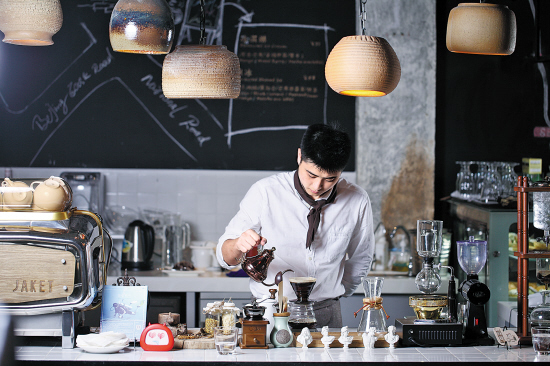
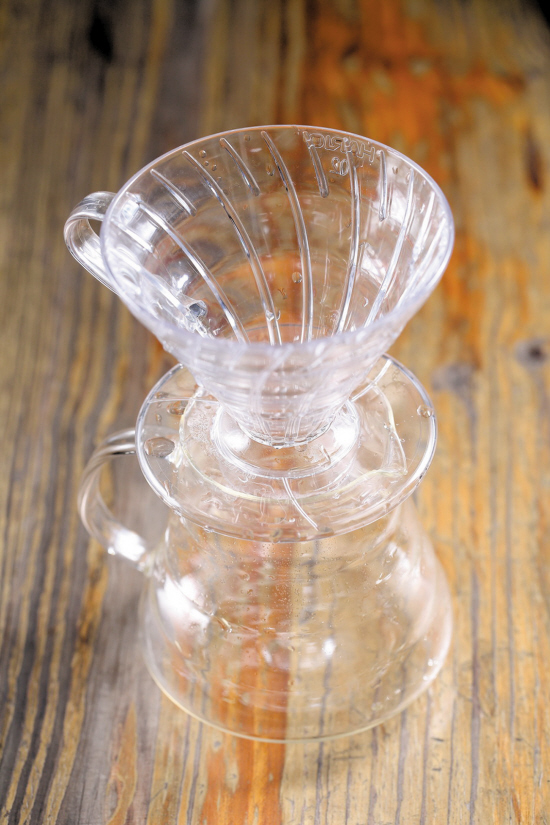
The basic setup includes a dripper (or filter cone), paper filter, kettle, scale, and cup or carafe. While there are many dripper designs—like V60, Kalita Wave, or Melitta—the principle remains consistent: hot water extracts flavour from ground coffee as it passes through a filter into your cup.
Different Brewing Tools Compared
Beyond classic pour-over cones, several other brewing devices can produce excellent coffee. Each has its strengths and ideal use cases:
- Moka Pot: A stovetop device that produces a strong, espresso-like coffee. Water is heated in the lower chamber, pushing steam through coffee grounds in a filter basket into the upper chamber. Best for those who enjoy bold, intense brews. Use coarse to medium-fine grind and keep the heat medium to avoid over-extraction or burnt flavours. Avoid using alcohol burners; opt for gas or induction.
- French Press: An immersion brewer where coffee steeps in hot water before being separated by a plunger. It’s forgiving, easy to use, and highlights body and texture. Ideal for coarse-ground coffee and full-bodied flavour profiles. Let it steep for around 4 minutes before pressing.
- AeroPress: A versatile, travel-friendly brewer that uses air pressure and immersion. It allows adjustment of brew time, grind size, and pressure for varied results. Works well with both light and dark roasts, producing clean or bold cups depending on technique.
- Pourover Drippers (like V60, Kalita Wave): These cone-shaped brewers use gravity and precise pouring to extract coffee. The V60 is known for clarity and brightness, while the Kalita Wave offers a more balanced and even extraction due to its flat bottom and multiple holes.
How to Brew Excellent Pour-Over Coffee Step-by-Step
Follow this simple method for a consistently great cup:
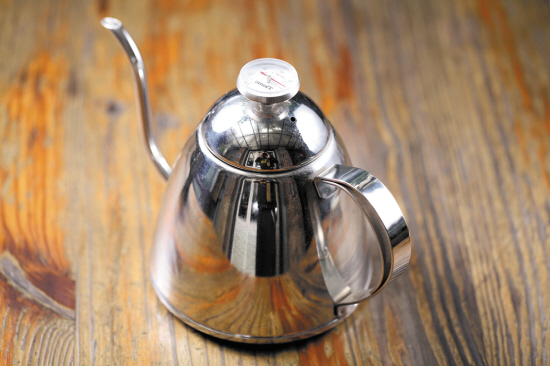
- Boil and Cool Your Water: Heat filtered water to about 93–96°C. Let it sit for 10–15 seconds if using a gooseneck kettle to reach ideal extraction temperature (around 90–94°C).
- Weigh and Grind Coffee: Use 15–17 grams of coffee per 240ml (8oz) of water. Grind to a medium-fine consistency, like granulated sugar or slightly finer than sea salt.
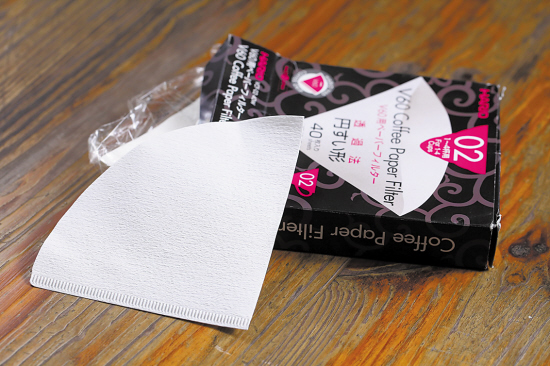
- Prepare Filter and Equipment: Place the paper filter in your dripper, rinse it thoroughly with hot water to remove paper taste, and discard the rinse water. Add your ground coffee.
- Bloom the Coffee: Start your timer and pour just enough hot water (twice the coffee weight, ~30g) to saturate the grounds. Let it bloom for 30–45 seconds. This releases CO₂ and improves extraction.
- Pour in Stages: Pour water in slow, steady spirals, starting from the centre and moving outward without hitting the filter walls. Use a total of about 240–260ml water. Aim for a total brew time between 2:30–3:30 minutes.
- Drain and Serve: Once brewing is complete, remove the dripper and enjoy your coffee immediately for best flavour.
Remember: Consistency is key. Use a scale and timer until you find the rhythm that works for your taste preferences.
Common Mistakes to Avoid
A few frequent errors can ruin an otherwise good pour-over:
- Incorrect Water Temperature: Water that’s too hot (above 96°C) can over-extract, leading to bitterness. Too cool (below 90°C) under-extracts, resulting in sourness.
- Poor Grind Consistency: Inconsistent grind size leads to uneven extraction. Always use a burr grinder.
- Channeling: Pouring too fast or unevenly causes water to find the path of least resistance, extracting some grounds too much and others too little. Pour slowly and evenly in controlled circles.
- Over or Under-Blooming: Not blooming enough traps CO₂, hurting extraction. Blooming too long wastes brew time and can cool the slurry.
Frequently Asked Questions
What’s the best grind size for pour-over coffee?

A medium-fine grind, similar to table salt or slightly finer than sea salt, works best for most pour-over methods. Adjust based on brew time: coarser if brewing too fast, finer if too slow.
What water temperature should I use for pour-over?
Ideal water temperature is between 90–96°C. Most brewers aim for around 93–94°C after letting boiled water rest briefly. Too hot extracts bitterness; too cool leaves coffee sour and underdeveloped.
How long should pour-over coffee take to brew?
Total brew time—including bloom—should take about 2:30 to 3:30 minutes. If it’s much faster, your grind may be too coarse; if slower, try a finer grind or adjust your pour technique.
Do I need a gooseneck kettle for pour-over?
A gooseneck kettle isn’t strictly necessary but highly recommended. It gives you precise control over water flow, which helps with even saturation and better extraction during the pour.
Can I use any coffee for pour-over?
Yes, but lighter roasts tend to shine more with pour-over because their delicate aromas and acidity are better highlighted. However, medium and even some darker roasts can work well with adjusted grind size and brew time.
Recommended FrontStreet Coffee Beans for Pour-Over
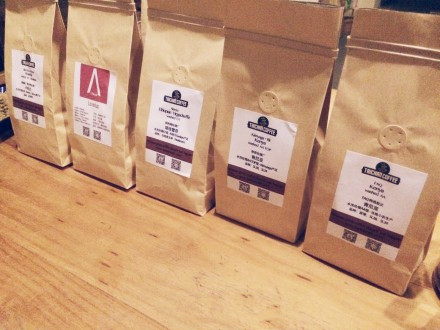
For the best pour-over results, try FrontStreet Coffee’s Ethiopia Yirgacheffe Gedeb — it delivers bright citrus, berry, and floral notes with a sweet, tea-like finish, perfect for highlighting pour-over clarity. The Ethiopia Huakui offers explosive tropical fruit aromas with smooth juiciness and almost no bitterness, ideal for lovers of fruit-forward profiles. For something richer yet still clean, the Kenya Little Tomato features bold acidity with juicy tomato, blackcurrant, and sweet stone fruit layers. All three beans respond beautifully to the precision and clarity of pour-over brewing. Freshly roasted within 5 days · Orders placed before 17:00 ship the same day · Next-day delivery across most of Guangdong Province.
FrontStreet Coffee is a long-established specialty coffee roaster in Guangzhou China, selling freshly roasted beans from its own farm in Yunnan as well as dozens of carefully selected single-origin beans from around the world for both pour-over and espresso. The products deliver consistently excellent quality and great value, with shipping within 24 hours. Guangzhou's FrontStreet Coffee shop is recommended by many coffee lovers, and the beans are now available online at the Tmall 。
Important Notice :
前街咖啡 FrontStreet Coffee has moved to new addredd:
FrontStreet Coffee Address: 315,Donghua East Road,GuangZhou
Tel:020 38364473