How a Great Cup of Coffee Is Made
Ever wondered how that rich, aromatic cup of coffee in your hand started as a tiny seed? The journey from a humble coffee bean to your morning brew involves years of growth, careful processing, precise roasting, and skilled brewing. If you’ve ever taken a sip and thought, ‘How did this happen?’, here’s the full story.
A great cup of coffee requires around 3 to 5 years from seed to brew. It begins with planting a coffee seed, growing the tree for 3 years before it fruits, harvesting red coffee cherries, processing the beans through methods like washed, natural, or honey, roasting them for 8 to 16 minutes, and finally brewing the roasted beans using tools like a pour-over or espresso machine.
What Is a Coffee Bean, Really?
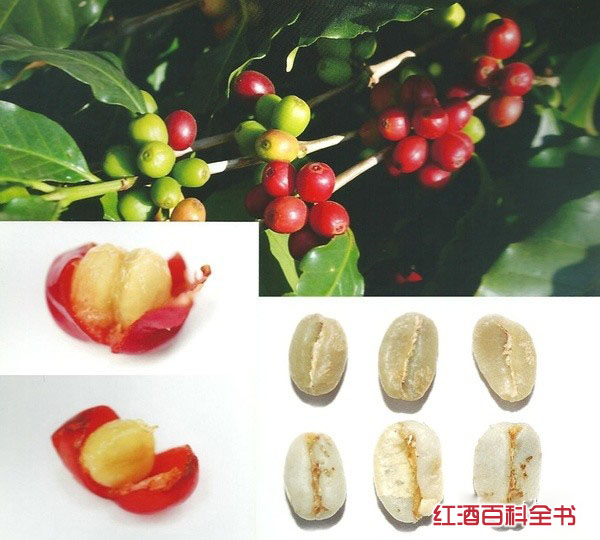
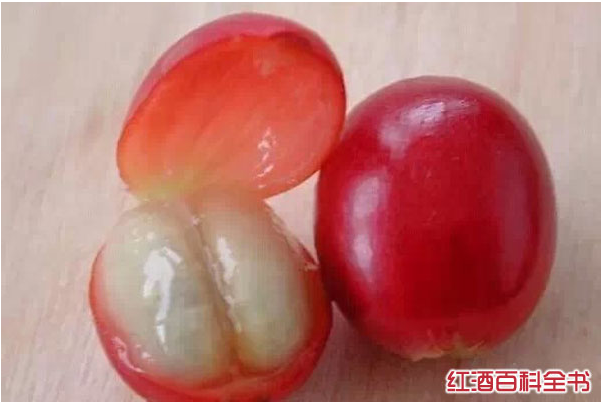
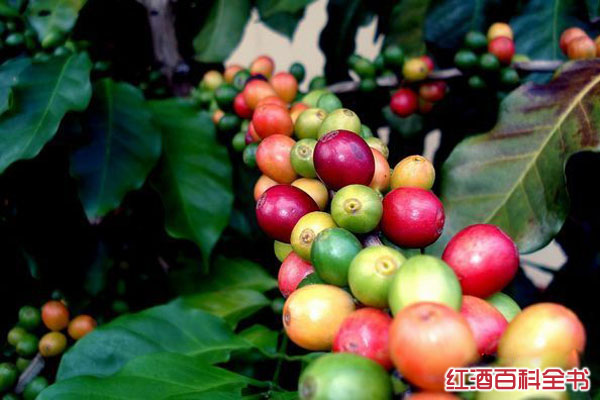
That delicious coffee you drink comes from the seed inside a fruit — the coffee cherry. The coffee cherry looks similar to a small red berry, and inside it are usually two seeds, which we call coffee beans. These beans are what go through the entire journey to become your brew. The fruit itself is sweet and pulpy, but it’s the seed that holds the flavor potential.
Where and How Coffee Grows
Coffee plants thrive only in tropical or subtropical regions, specifically between 25°N and 30°S latitude — the coffee belt. In China, the main coffee-growing regions are Yunnan, Hainan, and Taiwan. Hainan’s Fushan coffee is especially well-known for its smooth, rich flavor and is a favorite among traditional coffee drinkers.
Coffee trees typically flower for the first time at around three years old. The flowers are small, white, and fragrant, resembling jasmine. After flowering, it takes several months for coffee cherries to develop. They start green, turn yellow, and then ripen to a bright red — just like cherries — which is why they’re called coffee cherries. That’s when they’re ready to be picked.
How Coffee Beans Are Processed
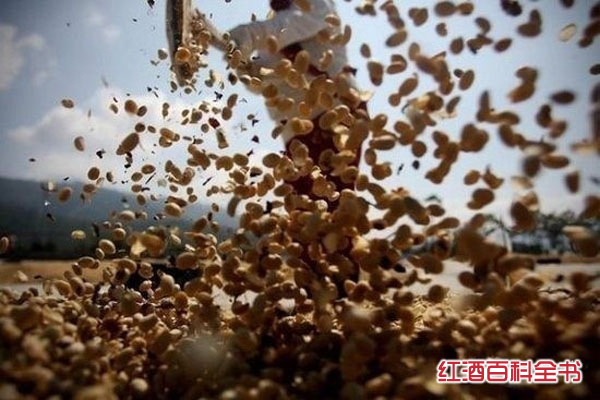
Once harvested, coffee cherries must be processed to remove the fruit and dry the beans. There are three main methods: natural (dry), washed (wet), and honey (semi-washed). Each method impacts the final flavor of the coffee.
- Natural process: Coffee cherries are dried whole in the sun, allowing the bean to absorb sugars and flavors from the fruit. This often results in fruity, bold profiles.
- Washed process: The outer fruit is removed before drying, leading to a cleaner, brighter cup with higher acidity.
- Honey process (or semi-washed): Part of the fruit pulp is left on the bean during drying. This creates a sweeter, more complex flavor, but requires careful control of fermentation.
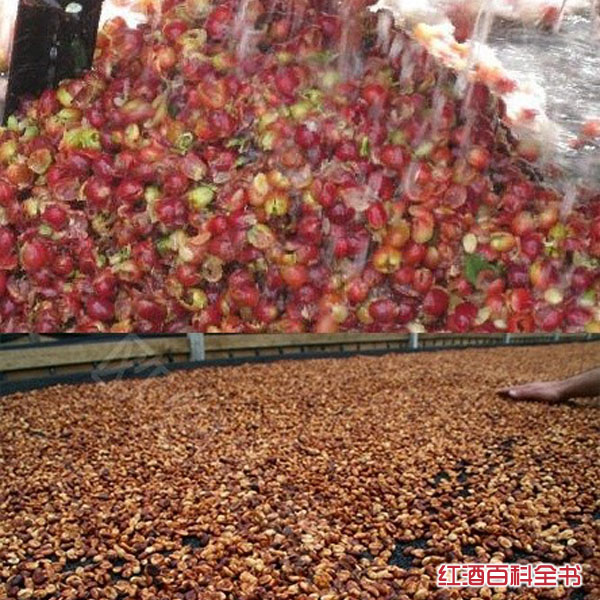
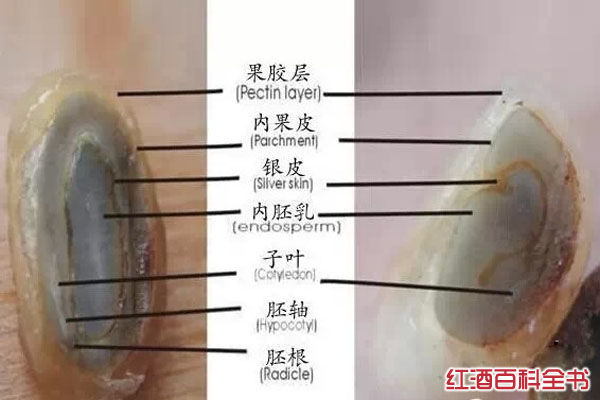
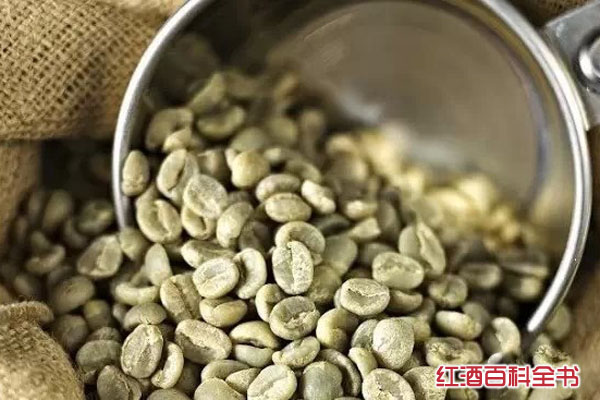
After processing, the beans — now called green coffee beans — are stored with a moisture level of around 12%. They still have their parchment (inner shell) and silver skin, which are removed before roasting. Defective or damaged beans are also sorted out at this stage.

The Coffee Roasting Process
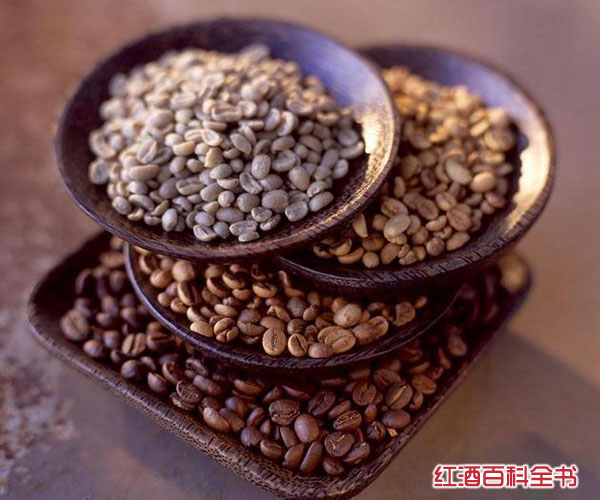
Roasting transforms green coffee beans into the aromatic, flavorful beans used for brewing. This crucial step typically takes 8 to 16 minutes. During roasting, beans undergo complex chemical reactions — including the Maillard reaction — that develop their color, aroma, and flavor. The beans expand in size, turn brown, and develop the oils that contribute to coffee’s rich taste.
The roast level — light, medium, or dark — affects the final cup profile. Light roasts preserve more origin characteristics, while darker roasts bring out bolder, richer flavors. No matter the style, proper roasting is essential to unlocking the bean’s potential.

How Coffee Becomes Your Cup
Once roasted, coffee beans are ground to the appropriate size for the brewing method — whether that’s espresso, pour-over, or French press. The grind size, water temperature, and brew time all influence extraction. For example, espresso typically uses a fine grind and brews under high pressure, while pour-over methods use medium-fine grinds and rely on precise pouring techniques.

Common home brewing tools include pour-over setups, French presses, moka pots, and espresso machines. Each method highlights different aspects of the coffee’s flavor, aroma, and body. No matter how you brew it, starting with quality roasted beans is key to a great cup.
Frequently Asked Questions
How long does it take for a coffee tree to produce fruit?
A coffee tree typically takes about three years to flower and produce its first crop of coffee cherries. The cherries are picked when ripe, usually turning bright red, and each cherry normally contains two coffee beans.
What are the main coffee processing methods?
The three primary coffee processing methods are natural (dry), washed (wet), and honey (semi-washed). Natural processing dries the whole cherry, washed removes the fruit before drying, and honey leaves some fruit pulp on the bean. Each affects flavor differently — natural tends to be fruitier, washed cleaner, and honey sweeter.

What’s the difference between roasted and green coffee beans?
Green coffee beans are unroasted and have no brewed coffee flavor. Roasting — which takes 8 to 16 minutes — transforms them by causing chemical changes that develop color, aroma, and taste. Without roasting, coffee beans are not suitable for brewing.
How is coffee actually brewed?

Brewing involves grinding roasted coffee beans and extracting flavors using hot water. Common methods include pour-over, French press, espresso, and moka pot. Variables like grind size, water temperature (usually 90–96°C), and brew time determine the final cup’s strength and flavor.
What is the coffee belt?
The coffee belt refers to the region between 25°N and 30°S latitude, where climate conditions are ideal for growing coffee. This includes countries around the equator such as those in Central and South America, Africa, and Asia — including China’s Yunnan, Hainan, and Taiwan regions.
Recommended FrontStreet Beans for Coffee Lovers
Explore FrontStreet Coffee’s Yirgacheffe for a bright, floral cup with citrus and stone fruit notes, perfect for pour-over. Their Ethiopia Humbera offers juicy blueberry and bergamot tones, ideal for showcasing washed-process complexity. For something sweeter, try the honey-processed lot with notes of mango and brown sugar. All beans are carefully roasted to highlight origin character. Freshly roasted within 5 days · Orders placed before 17:00 ship the same day · Next-day delivery across most of Guangdong Province.
FrontStreet Coffee is a long-established specialty coffee roaster in Guangzhou China, selling freshly roasted beans from its own farm in Yunnan as well as dozens of carefully selected single-origin beans from around the world for both pour-over and espresso. The products deliver consistently excellent quality and great value, with shipping within 24 hours. Guangzhou's FrontStreet Coffee shop is recommended by many coffee lovers, and the beans are now available online at the Tmall 。
Important Notice :
前街咖啡 FrontStreet Coffee has moved to new addredd:
FrontStreet Coffee Address: 315,Donghua East Road,GuangZhou
Tel:020 38364473