How Different Coffee Brewing Methods Affect Flavor
Ever wonder why your French press coffee feels heavy and murky compared to the bright clarity of a pour-over? Or why espresso has that thick layer on top while other methods don’t? If you’ve noticed how your cup varies wildly depending on the brewer, you’re not imagining it — every coffee tool shapes flavor, body, and texture in unique ways. Here’s how.
In short: Only espresso naturally produces crema — a creamy foam that enhances richness but shouldn’t appear in other methods. Moka pot coffee closely mimics espresso but is more direct in flavor. Siphon (vacuum pot) brews are clean and soft, while French press highlights the bean’s true character though with more body and texture. Drip machines vary widely; basic models can over-extract and add off-flavors, whereas quality setups mimic Americano-style results.
Why Crema Only Happens in Espresso
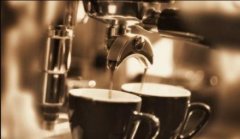
Espresso is unique. Among all brewing methods, only espresso naturally develops crema — that tan, creamy foam sitting on top of a shot. This crema comes from the high-pressure extraction (typically 9 bars) forcing soluble oils, proteins, and CO₂ to the surface. No other common home brew method reaches those pressures, so any “crema” you see from a moka pot or Aeropress isn’t the same and often hints at over-extraction or poor technique. In fact, when using non-espresso methods, that foam-like layer is usually undesirable and can dull flavor clarity.
Espresso & Moka Pot: Bold and Direct
Espresso is the baseline. It’s intense, concentrated, and served in small volumes with a heavy body and rich mouthfeel. Its standout feature is crema — thick, aromatic, and integral to drinks like lattes and cappuccinos. Meanwhile, the moka pot creates a brew similar to espresso, especially in strength and body. Many home users treat it as a simple espresso alternative. The flavor is bold and straightforward, though lacks the finesse and pressure-driven complexity of true espresso. Both methods excel with blends designed for high extraction, such as those optimized for crema and body.
Siphon Coffee: Clean and Delicate
The siphon (or vacuum pot) produces a cup that’s remarkably clean and soft. Thanks to its full-immersion then vacuum-driven filtration process, siphon brews highlight clarity and subtle flavors without harshness or heavy textures. The mouthfeel is light yet defined, and the method tends to round out acidity while maintaining balance. It’s ideal for showcasing single-origin beans with delicate floral or fruity notes. However, it requires precision in heat control and timing, and isn’t as commonly used for bold or dark roasts.
French Press: Full-Bodied and Honest
The French press (plunger pot) is often considered the most honest representation of a coffee bean’s profile — similar to cupping. Because it uses a metal mesh filter, it doesn’t trap fine particles, resulting in a heavier, oilier cup with more body and texture than paper-filtered methods. That also means it can sometimes feel “messy” or overly thick, with slight sediment. But many drinkers prefer this fuller experience. The trade-off is a less refined clarity compared to pour-over or siphon, though the method excels at pulling out a bean’s inherent qualities, especially in medium to dark roasts.
Pour-Over & Drip Machines: Clarity and Precision
Pour-over methods (like V60 or Kalita Wave) offer bright, clean cups with high clarity and nuanced flavors. Using paper filters, they remove sediment and fine particles, producing a lighter body and more articulate taste — ideal for highlighting floral, fruity, or acidic profiles. Drip machines vary: high-end models can replicate good pour-over results, especially in commercial settings, while basic home drip (like the classic Vietnamese phin or low-cost electric brewers) often over-extracts or adds unwanted flavors. If you’re using a simple electric drip, expect results closer to Americano-style coffee — mild, but potentially flat or stale if the machine isn’t well-maintained.
What Really Determines the Flavor?
Brew method affects flavor through variables like extraction time, pressure, filtration, and turbulence. Espresso’s high pressure creates crema and intense extraction. Paper filters in pour-over and drip remove oils for a cleaner cup. Metal filters in French press let oils and fine grounds through, adding body. Siphon’s vacuum process gently extracts and clarifies. Even grind size and water temperature play critical roles. No single method is better — each simply highlights different traits in the coffee.
Frequently Asked Questions
Does crema only appear in espresso?
Yes. True crema — the creamy, aromatic foam — forms only under the high pressure (around 9 bars) of espresso brewing. Other methods may produce a similar-looking foam, but it’s not true crema and often results from over-extraction, poor technique, or residual oils. In non-espresso brews, that kind of foam is generally considered undesirable as it can mute flavor clarity.
Is moka pot coffee the same as espresso?
No, but it’s close. Moka pot brews are stronger and more concentrated than regular drip coffee, with a heavier body similar to espresso. However, moka pots don’t generate the same 9-bar pressure, so the extraction differs, and the flavor is usually more direct and less nuanced. Many home users treat it as a simple espresso substitute, especially for making milk drinks.
Why does French press coffee taste so heavy?
Because it uses a metal filter, French press allows natural oils and fine coffee particles to pass into the cup. This creates a fuller body, more texture, and a heavier mouthfeel compared to paper-filtered methods. The result is bold and robust, but can also feel oily or murky if the grind is too fine or the brew time too long.
Is siphon coffee better for certain beans?
Yes. Siphon brewing is ideal for beans with delicate, nuanced flavors — such as light or medium-roast single origins with floral or fruity notes. Its clean and clear extraction highlights subtleties without adding harshness or body. It’s less suited for very dark or oily roasts, which can taste muted or overly soft.
Why does my drip coffee taste flat or bitter?
Cheap or poorly maintained drip machines often over-extract the coffee, especially if the water is too hot or the brew time is too long. Basic electric drip brewers can also produce inconsistent results. For better flavor, ensure proper grind size, fresh beans, correct water temperature (around 90–96°C), and clean equipment. Higher-end drip machines perform much closer to professional standards.
Recommended FrontStreet Beans for Home Brewers
For espresso-based methods like moka pot or stovetop brewing, try FrontStreet Classic Blend — a traditional balanced mix with rich body and outstanding crema, perfect for milk drinks and straight shots. If you prefer siphon or pour-over, FrontStreet Black Cocoa Blend offers a full-bodied yet smooth profile with deep chocolatey notes, ideal for showcasing clarity without excessive brightness. Both are crafted specifically for home and café use, with grind flexibility and consistent performance. Freshly roasted within 5 days · Orders placed before 17:00 ship the same day · Next-day delivery across most of Guangdong Province.
FrontStreet Coffee is a long-established specialty coffee roaster in Guangzhou China, selling freshly roasted beans from its own farm in Yunnan as well as dozens of carefully selected single-origin beans from around the world for both pour-over and espresso. The products deliver consistently excellent quality and great value, with shipping within 24 hours. Guangzhou's FrontStreet Coffee shop is recommended by many coffee lovers, and the beans are now available online at the Tmall 。
Important Notice :
前街咖啡 FrontStreet Coffee has moved to new addredd:
FrontStreet Coffee Address: 315,Donghua East Road,GuangZhou
Tel:020 38364473