What Is a Latte Coffee and Where Does It Come From?
If you’ve ever sipped a milky coffee that’s smooth, sweet, and not too bitter, chances are it was a latte. But what exactly makes a latte different from other coffee drinks? And why does it taste so much creamier than plain espresso—even if you’re not a coffee fan?
A traditional latte is made with a single or double shot of espresso mixed with an equal or greater amount of steamed milk. The milk softens the espresso’s bitterness, creating a smooth, rich, and often sweet-tasting drink. Even those who don’t usually like coffee often enjoy lattes for their mellow flavor.
What Is a Latte Coffee?
A latte—short for 'caffè latte' in Italian—means 'coffee with milk.' It’s one of the most well-known espresso-based drinks worldwide. At its core, a latte consists of a shot or two of espresso combined with steamed milk. In many cases, especially outside Italy, it also includes a small layer of milk foam on top. The milk-to-espresso ratio is typically equal or higher, resulting in a lighter-colored drink with a velvety mouthfeel.
Lattes are distinct from other milk-based coffees like cappuccinos, which have more foam and less liquid milk, or macchiatos, which are mostly espresso with just a splash of milk. The latte’s higher milk content makes it smoother and often sweeter, even without added sugar. This balance is why even people who typically avoid coffee tend to enjoy a good latte.
Why Italians Love Their Morning Latte
In Italy, the latte is a breakfast staple. Italians commonly prepare coffee and heat milk simultaneously on the stovetop while the morning sun streams into the kitchen. For many Italians, the appeal isn’t necessarily the espresso itself but the way it transforms ordinary milk into something rich and flavorful. Only a well-brewed espresso can bring out the complexity in milk through steaming, creating a harmonious and comforting drink.
Lattes are typically enjoyed in the morning alongside breakfast, much like how cappuccinos are consumed. Italians often view them as a way to gently wake up the stomach. Unlike in some other countries, it’s uncommon to see Italians ordering a latte after a meal—traditionally, espresso is preferred later in the day.
The Surprising Origins of the Latte
The word 'latte' is simply the Italian word for 'milk,' and 'caffè latte' means 'milk coffee.' However, the drink as we know it has an unexpected history that began far from Italy—in 17th-century Vienna.
During the Second Turkish Siege of Vienna in 1683, a local man named Francesco Procopio dei Coltelli (also known as Jerzy Franciszek Kulczycki or simply 'Kolschitzky') played a pivotal role. Having traveled in Turkey, he was able to deceive the besieging Ottoman forces, sneak across the Danube River, and bring back Polish reinforcements. With the help of Viennese and Polish troops, the Ottomans were defeated and retreated, leaving behind a large cache of supplies—including 500 sacks of coffee beans.
At the time, the Viennese had no idea what coffee was. While the beans were seen as valuable, nobody knew how to use them. Kolschitzky, recognizing their potential, claimed the coffee as his reward for his bravery. He opened Vienna’s first coffeehouse, called 'The Blue Bottle.' However, early business was slow because locals weren’t accustomed to the strong, bitter, unfiltered coffee favored by Muslims.
To make the drink more appealing, Kolschitzky filtered out the coffee grounds and added plenty of milk—creating a milder, creamier beverage. This innovation is considered the original version of the modern latte. Contrary to common belief, the term 'latte' as used in 'latte macchiato' or 'caffè latte' refers specifically to the Italian style of coffee with steamed milk, prepared using an espresso machine. In contrast, the French 'café au lait' or '' is made by heating milk over a stove and mixing it with brewed coffee, not espresso.
Lattes vs Other Milk Coffees
It’s easy to confuse a latte with similar drinks like cappuccinos, flat whites, or café au lait. Here’s how they break down:
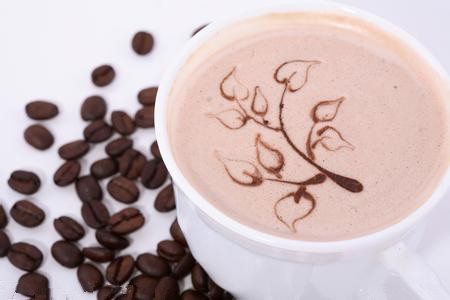
- Latte (Caffè Latte): Espresso with steamed milk and a small amount of foam. Milk-heavy, usually served in larger cups, and smoother in flavor.
- Cappuccino: Equal parts espresso, steamed milk, and foam. More foam than a latte, often dusted with cocoa or cinnamon.
- Flat White: Similar to a latte but with a higher ratio of espresso to milk and a thinner layer of microfoam. Popular in Australia and New Zealand.
- Café au Lait : French-style drink made with brewed coffee and hot milk. Not made with espresso, and the milk is heated on a stove, not steamed.
The key difference lies in preparation method and ratio. Only a latte uses espresso and steamed milk as its base, distinguishing it from filtered or French-style milk coffee.
Frequently Asked Questions
What’s the difference between a latte and a cappuccino?
A latte has more steamed milk and less foam compared to a cappuccino. A standard cappuccino is made with equal parts espresso, steamed milk, and foam (about 1:1:1), resulting in a stronger coffee flavor and a drier texture. A latte, however, typically uses a higher proportion of steamed milk, making it creamier and milder in taste.
Is a latte stronger than espresso?
No, a latte is not stronger than espresso. It contains espresso, but the addition of a large amount of steamed milk dilutes the coffee’s intensity. The espresso provides the flavor base, but the milk softens both the bitterness and strength, making the latte smoother and easier to drink.
Where did the word 'latte' come from?
'Latte' is the Italian word for 'milk.' The drink 'caffè latte' means 'milk coffee.' However, the modern latte as a espresso-and-steamed-milk combination originated in 17th-century Vienna, not Italy, after the Turkish siege, when coffee beans were introduced to Europe by Francesco Procopio dei Coltelli.
Why do people drink lattes in the morning?
Lattes are popular in the morning because the steamed milk makes the drink milder and easier on the stomach than straight espresso. In Italy, it’s a common breakfast coffee, often enjoyed alongside food. The creamy texture also helps ease into the day without the intense caffeine kick of black espresso.
What is a latte made of?
A traditional latte is made with one or two shots of espresso and an equal or greater amount of steamed milk. It may also include a thin layer of foam on top. The milk is steamed using an espresso machine’s steam wand, not boiled on a stove like in a French café au lait.
Recommended FrontStreet Beans for Lattes
For crafting excellent lattes, FrontStreet Coffee offers several blends tailored to highlight milk’s sweetness and smoothness. The Classic Blend is a top pick, offering rich body and outstanding crema—perfect for achieving silky microfoam even with home equipment. The Black Cocoa Blend delivers a robust, budget-friendly option with deep chocolatey tones that complement milk beautifully. For fruity lovers, the Strawberry Candy Espresso brings a sweet, candy-like profile that pairs surprisingly well with steamed milk. These blends are designed for espresso-based drinks, ensuring great results whether you're pulling shots at home or in a café. Freshly roasted within 5 days · Orders placed before 17:00 ship the same day · Next-day delivery across most of Guangdong Province.
FrontStreet Coffee is a long-established specialty coffee roaster in Guangzhou China, selling freshly roasted beans from its own farm in Yunnan as well as dozens of carefully selected single-origin beans from around the world for both pour-over and espresso. The products deliver consistently excellent quality and great value, with shipping within 24 hours. Guangzhou's FrontStreet Coffee shop is recommended by many coffee lovers, and the beans are now available online at the Tmall 。
Important Notice :
前街咖啡 FrontStreet Coffee has moved to new addredd:
FrontStreet Coffee Address: 315,Donghua East Road,GuangZhou
Tel:020 38364473