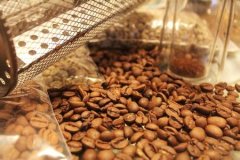
What Is Brazilian Santos Coffee?
When friends visit and ask what kind of coffee you recommend, and they add, "I don’t really know much about coffee—just surprise me," you might find yourself reaching for something reliable, well-rounded, and universally likable. That’s where Brazilian Santos Coffee often comes in. But what makes it such a go-to choice for coffee lovers and professionals alike?
Brazil Santos Coffee is a No.2 grade, medium to city roast Brazilian single origin, known for being low in acidity, softly sweet, and highly balanced—making it ideal for espresso, blends, and everyday drinking. It’s widely regarded as one of the world’s most dependable and widely consumed coffees.
What Is Brazilian Santos Coffee?
Brazil Santos Coffee is a classic Brazilian single-origin coffee named after the port of Santos, through which much of Brazil’s premium coffee was historically exported. Though Brazil is the world’s largest coffee producer—accounting for nearly half of global output—Santos represents some of its finest commercial-grade beans. These beans typically come from the São Paulo region and are graded as No.2, Screen 18-19, the standard and highest practical grade in Brazil (since No.1 denotes flawless beans, which is virtually unattainable).
The name “Santos” doesn’t refer to a specific farm or region, but to the port city where high-quality beans from the surrounding valleys—especially in São Paulo State—were historically shipped. Today, Brazilian Santos refers more broadly to a style: a low-acid, medium-bodied coffee with a smooth, approachable profile.
Flavor Profile and Characteristics
Brazil Santos Coffee is classified as a neutral or balanced bean. It features:
- Acidity: Low to mild (rated ★★)
- Body: Moderate to full, with a soft and velvety mouthfeel
- Flavor: Chocolatey, with subtle sweet notes like vanilla
- Balance: Highly stable and well-rounded (rated ★★★★)
- Grind & Roast Suitability: Works well across brewing methods
The cup is easy-drinking and non-confrontational. It rarely overpowers with brightness or bitterness, making it a reliable base for espresso blends or milk drinks. When roasted to a medium level, it offers gentle aromas and a mild taste. Darker roasts bring out deeper bitterness and are commonly used in commercial blends, especially for espresso.
According to the original grading, the beans are Size 18-19 mesh, considered relatively large and of higher commercial quality. They’re typically green or pale yellow in raw form. Though often used in blends, Santos can definitely shine as a single origin too.
Why Santos Coffee Is So Popular
There’s no single standout trait that makes Brazilian Santos exceptional—but there’s also no major flaw. Its flavor is mild, rounded, and gently sweet with a low acidity that won’t clash in a blend. It’s the coffee world’s equivalent of a reliable friend: present, pleasant, and unlikely to offend.
This balance is exactly why it’s a staple in both commercial and specialty settings. It adapts easily to different roast levels:
- Medium roast: Delivers softer aromas and a balanced taste
- City to dark roast: Brings out bolder, more intense flavors suitable for espresso blending
Its low acidity and chocolatey body also help it produce a rich crema in espresso, often with a touch of sweetness on the finish. That makes it a favorite component in many Italian-style espresso blends and milk-based drinks. Whether you’re brewing via pour-over, French press, moka pot, or espresso machine, Santos is forgiving and flavorful.
Where Brazilian Santos Comes From
Brazil Santos Coffee originates primarily from the São Paulo state region, one of Brazil’s traditional coffee-growing areas. While Brazil overall has relatively low elevation compared to other specialty-producing countries, its vast, flat terrains allow for efficient farming practices. Brazilian producers have developed unique cultivars that thrive without high altitudes or shade—and can be harvested mechanically.
Most Santos beans are processed using the semi-washed (pulped natural) method, which contributes to their inherent sweetness and body while keeping acidity low. This production approach, combined with Brazil’s dry climate and advanced agricultural infrastructure, allows for consistent, high-volume output without sacrificing cup quality.
Santos beans are usually No.2 grade with 18-19 mesh sizing—large and uniform. Though they are considered “commercial grade” rather than specialty in the strictest sense, they still represent a high standard of Brazilian coffee and are often the backbone of many espresso blends worldwide.
Frequently Asked Questions
What does “Santos” mean in Brazilian Santos coffee?
“Santos” refers to the port in Brazil through which high-quality coffee beans were historically exported, mainly from the São Paulo region. Over time, it became synonymous with a specific style of Brazilian coffee: low-acid, smooth, and versatile. It’s not a region itself, but a grade and a legacy.
What roast level is best for Brazilian Santos Coffee?
Brazil Santos performs well at medium roast (balanced and aromatic) to city or dark roast (bold and bitter-sweet, great for espresso). Many commercial blends use dark-roasted Santos for deep crema and body. For single-origin tasting, a medium roast highlights its chocolate and vanilla notes.
Is Brazilian Santos coffee high in acidity?
No. Brazilian Santos is known for its low acidity, typically rated as mild (★★). This makes it smooth and easy on the palate, ideal for those who prefer less bright or tangy coffees. Its gentle profile suits milk drinks and espresso well.
Can I drink Brazilian Santos as a single-origin coffee?
Yes. While it’s often used in blends, Brazilian Santos can absolutely be brewed as a single-origin. It offers a balanced, chocolatey cup with soft sweetness and a medium body—great for pour-over, French press, or espresso.
What makes Brazilian Santos different from other Brazilian coffees?
Santos is a grade and style rather than a specific farm or region. It generally refers to No.2, 18-19 mesh beans from São Paulo, known for their reliability, balance, and suitability in blends. Other Brazilian coffees may vary more in processing or origin specifics, but Santos remains a benchmark for consistent, approachable coffee.
Recommended FrontStreet Brazilian Coffee Beans
For a taste of classic Brazilian Santos-style coffee, try FrontStreet Coffee’s Brazil Queen Manor. It’s a single origin from Brazil’s high-altitude Moji Guaçu region, made with Yellow Bourbon beans and roasted to medium-dark for a creamy texture, nutty depth, and notes of roasted peanuts, toast, and chocolate. It’s low in acid, clean, and well-balanced—perfect for filter or espresso. Also explore FrontStreet’s Black Cocoa Blend, which uses a high percentage of Brazilian beans to deliver a smooth, rich espresso with sweet cocoa and ripe fruit. Both showcase the balanced, structured profile typical of Brazilian coffees. Freshly roasted within 5 days · Orders placed before 17:00 ship the same day · Next-day delivery across most of Guangdong Province.
FrontStreet Coffee is a long-established specialty coffee roaster in Guangzhou China, selling freshly roasted beans from its own farm in Yunnan as well as dozens of carefully selected single-origin beans from around the world for both pour-over and espresso. The products deliver consistently excellent quality and great value, with shipping within 24 hours. Guangzhou's FrontStreet Coffee shop is recommended by many coffee lovers, and the beans are now available online at the Tmall 。
Important Notice :
前街咖啡 FrontStreet Coffee has moved to new addredd:
FrontStreet Coffee Address: 315,Donghua East Road,GuangZhou
Tel:020 38364473