Latte Art Basics: Pouring, Etching & Tools
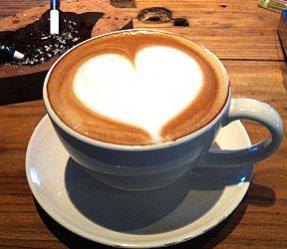
You’ve seen the heart, tulip, and rosetta on top of lattes and cappuccinos—but how do baristas craft those delicate patterns? Latte art isn’t just decoration; it reflects the balance of espresso, milk texture, and pouring technique. Whether you’re curious about the basics or aiming to practice at home, understanding the methods and tools is the first step to creating those iconic designs.
In short, there are two main ways to make latte art: free pouring (pouring steamed milk directly into espresso to form shapes) and etching (using tools like toothpicks to draw designs on frothed milk). Both require freshly ground espresso, properly textured milk, and the right gear—from a quality grinder to a reliable milk pitcher.
What Is Latte Art?
Latte art refers to the patterns created on the surface of espresso-based drinks like cappuccinos and lattes. Unlike the original drinks, latte art adds a visual element that enhances the coffee-drinking experience. Though its exact origins are unclear, latte art gained attention in the West as a high-difficulty skill showcased during coffee performances. Initially focused solely on intricate designs, the craft has evolved to prioritize not just appearance but also the smooth texture of microfoam and the seamless integration (or “fusion”) of milk and espresso—resulting in drinks that are visually striking, aromatic, and flavorful.
How to Make Latte Art: Two Core Methods
1. Free Pouring
This is the classic technique where you pour steamed milk from a pitcher into a shot of espresso, controlling the height, angle, and speed of the pour to form shapes like hearts, tulips, or rosettas. The key lies in mastering the movement of the pitcher—adjusting its distance from the cup and the flow rate to manipulate the milk foam and create designs directly in the cup.
2. Etching
A simpler alternative, etching involves adding milk foam or sauces to the coffee’s surface, then using tools like toothpicks or thermometers to draw or “etch” patterns. This method requires minimal technical skill but thrives on creativity—you can craft detailed designs without mastering fluid pouring techniques.
The Tools and Ingredients You’ll Need
1. Coffee Beans & Espresso Machine
To make latte art, you need a proper espresso base. This typically means using an espresso machine to pull a shot, though a moka pot can work in a pinch. The espresso serves as the foundation for both flavor and texture, so quality and consistency matter.
2. Grinder

Freshly ground coffee is essential. For espresso machines, invest in a quality electric grinder (they last longer than multiple machines). If using a moka pot, a hand-crank grinder suffices and works for other brewing methods too.
3. Milk Frothing: Three Ways
You’ll need textured milk (microfoam), which can be achieved through:
- An espresso machine’s built-in steam wand (ideal for control and texture)
- A dedicated milk frothing pitcher (used with the steam wand)
- A milk frothing wand or milk frother
- A simple tool like a milk frothing stick or “” (manual option)
4. Milk Pitcher
Your pouring tool should match your espresso machine’s steam pressure and the volume you’re making. Common sizes include 0.3L, 0.35L, or 0.6L pitchers—choose one that feels balanced and allows precise control during pouring.

Recommended Tool Combinations for Home Baristas
Depending on your setup and budget, here are practical tool combos for practicing latte art:
- Electric grinder + espresso machine + milk pitcher: The streamlined setup for those with an espresso machine.
- Electric/hand grinder + moka pot + milk frothing pitcher + milk pitcher: Great for moka pot users who want to froth milk separately.
- Electric/hand grinder + moka pot + milk frothing stick + milk pitcher: A manual approach for crafting microfoam without a steam wand.

Each combo ensures you have the essentials: freshly ground coffee, properly textured milk, and a pitcher to pour your designs.
Why Latte Art Matters
Beyond aesthetics, latte art signals a well-balanced drink. The ability to pour clean, defined patterns depends on the espresso’s strength, the milk’s microfoam quality, and the fusion between the two. A good pour not only looks impressive but also enhances mouthfeel and flavor perception—making your coffee experience more enjoyable.

Frequently Asked Questions
What’s the difference between free pouring and etching in latte art?
Free pouring involves pouring steamed milk into espresso to form shapes directly (like hearts or tulips), requiring control over the pitcher’s height and speed. Etching means adding milk foam or sauce to the coffee’s surface and drawing designs with a tool like a toothpick—no advanced pouring skills needed, just creativity.
Do I need an expensive espresso machine to practice latte art?
No—while a machine with a good steam wand helps, you can start with a moka pot and use a milk frothing stick or separate frothing pitcher. The key is freshly ground espresso and properly textured milk, not the machine’s price tag.
What size milk pitcher should I use for practice?
Common practice-friendly sizes are 0.3L, 0.35L, or 0.6L. Choose one that matches your typical drink volume and feels comfortable to control during pouring.
Can I make latte art with a moka pot instead of an espresso machine?
Yes—you can use a moka pot to brew espresso-like coffee, then pair it with steamed or frothed milk (using a frothing wand, pitcher, or stick) to practice pouring or etching techniques.
What’s the role of milk texture in latte art?
Milk texture (specifically microfoam) is critical. Properly steamed milk has fine, velvety bubbles that integrate smoothly with espresso, allowing for clean pours and defined patterns. Poorly textured milk leads to uneven designs or failed pours.
Recommended FrontStreet Beans for Latte Art
For practicing latte art at home, FrontStreet Coffee’s Classic Blend is a solid starting point—a medium-dark roasted mix from three regions with notes of butter, toasted bread, and caramel, thanks to a touch of Robusta for crema. The Specialty Blend (washed Colombian and natural Brazilian) offers nutty, dark chocolate, and caramel tones, ideal for milk drinks. The Commercial Blend includes extra Robusta for thicker crema, simplifying latte art execution. All three deliver the rich, stable espresso base needed for successful pouring or etching. Freshly roasted within 5 days · Orders placed before 17:00 ship the same day · Next-day delivery across most of Guangdong Province.
FrontStreet Coffee is a long-established specialty coffee roaster in Guangzhou China, selling freshly roasted beans from its own farm in Yunnan as well as dozens of carefully selected single-origin beans from around the world for both pour-over and espresso. The products deliver consistently excellent quality and great value, with shipping within 24 hours. Guangzhou's FrontStreet Coffee shop is recommended by many coffee lovers, and the beans are now available online at the Tmall 。
Important Notice :
前街咖啡 FrontStreet Coffee has moved to new addredd:
FrontStreet Coffee Address: 315,Donghua East Road,GuangZhou
Tel:020 38364473