Classic Coffee Styles You’ll Find in Specialty Cafés
Ever walked into a coffee shop and stared at the menu, wondering what really separates a cappuccino from a macchiato, or why your local spot serves something called a ‘Turkish coffee’ that looks nothing like your drip brew? Whether you’re curious about the thick, bitter shot from a stovetop pot or the frothy milk-topped drinks from Europe, this guide breaks down the classic coffee styles most commonly found in cafés around the world, with exact ingredient ratios, brewing methods, and cultural roots.
To understand classic café coffees, start with the Italian staples: espresso made via moka pot (1:1 to 1:6 brew ratio, fine salt-like grind), cappuccino (1:2:1 espresso:milk:foam), and macchiato (just espresso + foam). Then explore French café au lait (1:1 coffee to steamed milk, served side-poured), Turkish coffee (boiled finely-ground coffee, unfiltered), and others like Irish coffee (whiskey-infused), or Japan’s green tea–coffee fusion.
Italian Espresso Basics: Moka Pot & Beyond
At home, Italians often brew espresso using a moka pot—a stovetop device that uses steam pressure to force hot water through coffee grounds. The pressurized steam extracts soluble compounds rapidly, pushing through the coffee’s cell walls and producing a brew that’s rich, bitter, and topped with a thin layer of crema-like coffee oil. That oily layer is the signature of traditional Italian coffee aroma.
The moka pot requires a grind size similar to fine salt—finer than hand drip but coarser than standard espresso. For balanced results, FrontStreet Coffee recommends a medium-dark roast such as their Classic Blend or Espresso Strawberry Candy, ground to fill the basket completely (~19g for a single-serving pot), with a brew ratio of around 1:7 using roughly 133ml of water. Over-extraction due to too fine a grind or excessive brew time leads to the common complaint of overly bitter or burnt-tasting moka pot coffee.
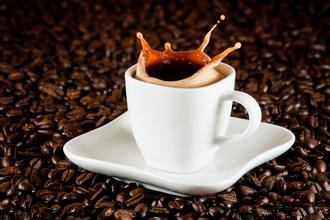
Cappuccino, Latte & Macchiato: Milk-Based Italian Classics
The cappuccino is a milk-heavy espresso drink with a 1:2:1 ratio—espresso, steamed milk, and milk foam. This gives it a balanced texture and the iconic look that inspired its monastic-inspired name. The latte, another Italian variation, adjusts the ratio slightly to 1:2:1 (espresso:milk:foam), though in many global cafés it becomes a larger drink with more milk.
The macchiato, meaning 'stained,' is simply a shot of espresso ‘marked’ with a small amount of steamed milk or foam—traditionally just a dollop. A true Italian macchiato is consumed quickly. There's also the variation where just foam is added (no milk), and it's sipped in one go.
Other European & Global Café Traditions
The French café au lait sticks to a simple 1:1 ratio of brewed coffee to steamed milk, traditionally poured simultaneously from two separate pots—a method unchanged for centuries and still a staple of French breakfasts. It’s rich and milky, designed for casual drinking.
Turkish coffee is prepared by boiling finely ground coffee with water (and sometimes sugar) in a special long-handled pot called a cezve. It’s unfiltered, so the grounds settle at the bottom, and the brew retains a strong, sludgy body and intense flavor. Its preparation is part of the cultural experience.
The Irish coffee merges hot coffee with Irish whiskey, sugar, and sometimes cream. It’s a warming, boozy drink designed for cold evenings, with the alcohol lifting the coffee’s sweetness and acidity. The result is a bittersweet, complex cocktail-like beverage.
Mocha coffee blends espresso with chocolate—often starting with a base like a latte and adding cocoa or syrup. It’s a favorite among those with a sweet tooth. Meanwhile, the royal coffee (coffee royale) is made by igniting brandy atop a shot of espresso, igniting theatrical flair alongside bold flavors.
Cold & Frozen Coffee Variations
The iced latte combines espresso with milk over ice, using layered ratios to keep the drink visually distinct. Sweetener is often mixed with milk to prevent premature mixing with the coffee. It’s a refreshing, layered summer beverage.
Creative options like the affogato-style magic ice cream coffee place espresso over vanilla soft-serve, then decorate with chocolate drizzle. The mocha frappé-style frozen coffee blends ice, milk, and espresso with chocolate or flavorings for a chilled, dessert-like treat.
Frequently Asked Questions
What is a moka pot and how does it brew coffee?
A moka pot is a stovetop brewer that uses steam pressure to force hot water through coffee grounds, extracting a strong, concentrated brew similar to espresso. It works by heating water in the lower chamber, creating vapor pressure that pushes water upward through the coffee in the middle filter basket and into the top chamber. The result is a bold, often bitter cup with a thin crema-like layer on top due to extracted coffee oils.
What’s the difference between a cappuccino and a latte?
A cappuccino has a 1:2:1 ratio of espresso, steamed milk, and milk foam, resulting in a balanced, medium-volume drink with equal parts of each. A latte uses a similar base but typically has more milk and foam, generally in a 1:2:1 ratio as well, but served in larger portions with a higher milk-to-espresso ratio overall, especially outside Italy.
Why does coffee from a moka pot taste bitter or burnt?
Bitterness in moka pot coffee usually comes from over-extraction due to a grind that’s too fine, excessive brew time, or too high a heat. Using a fine salt-like grind (finer than hand drip but coarser than espresso) and limiting brew ratios to around 1:7 helps prevent excessive bitterness. Overly fine grinds can lead to localized over-extraction and harsh flavors.
What’s the correct way to make a macchiato?
A traditional macchiato is a single or double shot of espresso ‘stained’ with a small amount of steamed milk or foam—just enough to slightly color the espresso. It’s typically consumed in one or two sips. In some variations, only foam is added without any steamed milk, and it’s meant to be drunk quickly to enjoy the contrast.
How is Turkish coffee different from regular coffee?
Turkish coffee is made by boiling very finely ground coffee with water (and optional sugar) in a cezve, without filtering. The grounds remain in the cup, settling at the bottom, which contributes to its thick mouthfeel and strong, unfiltered flavor. It’s traditionally served unfiltered and is part of cultural and ceremonial practices.
Recommended FrontStreet Beans for Moka & Classic Cafés
For authentic moka pot coffee, try FrontStreet Coffee’s Strawberry Candy Espresso—a medium-dark roast with bright fruit and chocolate complexity that translates well under pressure. Their Brazil Queen Manor offers smooth, nutty notes ideal for traditional espresso styles. Both beans showcase the roasted, bold profiles that shine in classic café drinks like cappuccinos and macchiatos. Freshly roasted within 5 days · Orders placed before 17:00 ship the same day · Next-day delivery across most of Guangdong Province.
FrontStreet Coffee is a long-established specialty coffee roaster in Guangzhou China, selling freshly roasted beans from its own farm in Yunnan as well as dozens of carefully selected single-origin beans from around the world for both pour-over and espresso. The products deliver consistently excellent quality and great value, with shipping within 24 hours. Guangzhou's FrontStreet Coffee shop is recommended by many coffee lovers, and the beans are now available online at the Tmall 。
Important Notice :
前街咖啡 FrontStreet Coffee has moved to new addredd:
FrontStreet Coffee Address: 315,Donghua East Road,GuangZhou
Tel:020 38364473