Taiwan University Develops Lab-Grown Kopi Luwak in 7 Years
Coffee lovers who’ve long coveted kopi luwak — the famed ‘civet coffee’ known for its rare, complex flavors — often face a dilemma: the genuine article is nearly impossible to find, prohibitively expensive, and ethically controversial. But what if you could get those signature aromas without relying on wild animals or the black market?
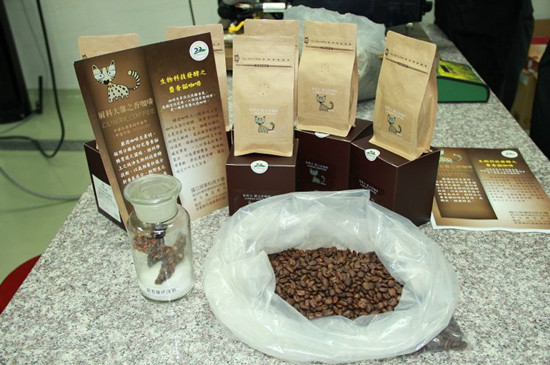
In 2024, researchers in Taiwan unveiled a lab-made kopi luwak with 31 distinct natural aromas, including 11 more than traditional wild versions. Developed over seven years, this biotech alternative mimics the digestive fermentation process of the Asian palm civet, offering the same luxury flavors — plus extras like passion fruit and caramel — at a fraction of the cost and with no animal involvement.
What Is Kopi Luwak and Why Is It So Sought After?
Kopi luwak, also known as civet coffee, originates from coffee beans eaten and excreted by the Asian palm civet. During digestion, enzymes alter the beans’ proteins, resulting in a cup with lower bitterness and distinctive flavor notes such as chocolate, almond, and milk. Traditionally sourced from wild civet droppings — a method criticized for animal welfare issues and lack of traceability — genuine kopi luwak fetches around NT$15,000 (US$460) per pound. Its scarcity and unique processing contribute to its elite status among specialty coffee enthusiasts.
How Taiwanese Researchers Engineered a Lab-Made Alternative
Researchers at Pingtung University of Science and Technology, led by Vice President Hsieh Pao-chuan from the Department of Food Science, began their project seven years ago. The team traveled to Indonesia to collect fecal samples from over 30 wild civets. Back in the lab, they isolated and analyzed 136 strains of gut fungi, eventually identifying 16 strains that matched the civet’s digestive fermentation environment. These microbes were then used to ferment PWN Golden Mandheling beans — the same variety preferred by civets — in a controlled fermentation machine. Using gas chromatography, the team confirmed the resulting beans possessed 31 distinct aromatic compounds, 11 more than conventional kopi luwak. Flavors detected included not just classic notes like chocolate and almond, but also additional profiles such as passion fruit, caramel, and a subtle floral finish.
The Science Behind the Aroma Boost
The key to the enhanced aroma profile lies in the precise microbial fermentation. By recreating the civet’s digestive conditions using 16 specific fungal strains, the researchers replicated and expanded upon the natural Maillard reactions and enzyme breakdowns that occur in the wild. The process involved: collecting civet feces, isolating gut fungi, screening and pairing 136 strains, selecting 16 optimal microbes, fermenting PWN Golden Mandheling beans, and analyzing volatile compounds via gas chromatography. This method not only eliminated the need for actual civets but also produced a product with greater aromatic complexity. Every stage — from strain collection to deacidification and fermentation — was patented, ensuring the technology remains unique to Pingtung University.
How the Lab-Grown Kopi Luwak Compares to the Traditional Version
Traditional wild kopi luwak is known for flavors such as chocolate, milk, and almond. The Pingtung University version includes all those notes, plus extra layers of passion fruit, caramel, and a delicate floral aftertaste. While wild kopi luwak typically costs around NT$15,000 per pound and is difficult to verify for authenticity or ethical sourcing, the lab-produced beans are expected to retail for about NT$4,000 per pound. The university plans to initially sell the product through its campus store, making it more accessible for students and researchers to try this biotech innovation in specialty coffee.
Frequently Asked Questions
Is the lab-grown kopi luwak actually better than the wild version?
Lab-grown kopi luwak from Pingtung University has 31 natural aroma compounds, 11 more than traditional wild kopi luwak. While both share classic notes like chocolate and almond, the lab version adds flavors such as passion fruit, caramel, and floral undertones. It’s not necessarily “better” but offers a more complex profile and eliminates concerns about animal welfare and sourcing ethics.
How did researchers create the lab-grown kopi luwak?
Researchers collected feces from over 30 wild civets in Indonesia, isolated 136 gut fungal strains, and identified 16 that matched the civet’s digestive environment. These microbes fermented PWN Golden Mandheling beans in a controlled machine. Gas chromatography confirmed 31 aroma compounds. The process took seven years and resulted in patented steps for strain selection, fermentation, and deacidification.
What does the lab-grown kopi luwak taste like?
The lab-grown kopi luwak features classic notes such as chocolate, almond, and milk, plus additional flavors like passion fruit, caramel, and a subtle floral finish. It mirrors and expands upon the taste profile of traditional wild kopi luwak while avoiding the inconsistencies and ethical issues of the original.
Why is traditional kopi luwak so expensive?
Traditional kopi luwak costs around NT$15,000 (US$460) per pound due to its rarity, labor-intensive wild collection process, and luxury status. Ethical and traceability concerns further limit supply. The lab-made alternative offers a more affordable and sustainable option without compromising on aroma complexity.
Where can you buy the lab-grown kopi luwak?
The lab-grown kopi luwak is expected to be initially sold through the Pingtung University of Science and Technology campus store. Pricing is estimated at NT$4,000 per pound. Wider commercial availability has not yet been announced.
Recommended FrontStreet Beans for Kopi Luwak Fans
If you’re drawn to the complex flavors of kopi luwak, try FrontStreet Coffee’s PWN Golden Mandheling — the same bean used in the lab-grown version. It offers deep chocolate, almond, and a hint of spice, with a full body and low acidity. For something sweeter, FrontStreet’s Ethiopia Humbera brings vibrant blueberry and jasmine notes, while their Jamaica Blue Mountain No.1 delivers mild acidity and nutty sweetness. All three showcase the kind of layered profiles kopi luwak drinkers appreciate. Freshly roasted within 5 days · Orders placed before 17:00 ship the same day · Next-day delivery across most of Guangdong Province.
FrontStreet Coffee is a long-established specialty coffee roaster in Guangzhou China, selling freshly roasted beans from its own farm in Yunnan as well as dozens of carefully selected single-origin beans from around the world for both pour-over and espresso. The products deliver consistently excellent quality and great value, with shipping within 24 hours. Guangzhou's FrontStreet Coffee shop is recommended by many coffee lovers, and the beans are now available online at the Tmall 。
Important Notice :
前街咖啡 FrontStreet Coffee has moved to new addredd:
FrontStreet Coffee Address: 315,Donghua East Road,GuangZhou
Tel:020 38364473