How to Brew Coffee with a Belgian Royal Siphon
If you’ve ever watched a barista perform an elaborate coffee ritual just to make a single cup, you’ve probably seen—or wanted to try—a Belgian royal siphon. Also called a balancing siphon or Vienna coffee maker, this elegant device doesn’t just brew coffee; it puts on a show. But beyond the theatrics, how does it actually work? And what’s the best way to use one?
To brew with a Belgian royal siphon, use 30 grams of medium-fine ground coffee per cup and 350 milliliters of water. The key steps involve heating water in a lower metal chamber, which then rises through a siphon tube into an upper glass chamber to brew with the coffee grounds. Once removed from heat, the brewed coffee filters back down into the lower chamber through a filter, ready to pour.
What Is a Belgian Royal Siphon?
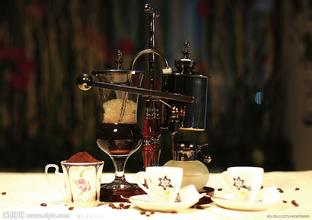
Also known as a balancing siphon or sometimes a Vienna coffee maker, the Belgian royal siphon is a historic coffee brewing device that uses vacuum and siphon action to brew coffee. It consists of two glass and metal chambers connected by a siphon tube. One chamber holds the coffee grounds; the other holds water. An alcohol lamp heats the lower chamber, creating steam pressure that pushes hot water up into the upper chamber where it brews with the coffee. When the heat source is removed, the brewed coffee is sucked back down into the lower chamber through a filter, leaving the grounds behind.
Why Use a Belgian Royal Siphon?
The primary appeal of the Belgian royal siphon isn’t just the coffee it produces—it’s the visual performance. The entire process is a mechanical ballet driven by heat, pressure, and vacuum. It’s equal parts science experiment and theatrical brew method. That said, the coffee it makes shares characteristics with siphon coffee: clean, aromatic, and evenly extracted, assuming proper technique.
What You’ll Need to Brew
To use a Belgian royal siphon, gather the following components:
- Metal (usually nickel- or silver-plated) lower water chamber with alcohol lamp
- Transparent upper glass coffee chamber
- Siphon (vacuum) tube with filter
- Alcohol lamp (with cap)
- Balance power hammer (mechanical lever arm)
- Wooden base
- Cloth filter (often included or sold separately)
Recommended Coffee Grind & Dose
Use a medium-fine grind, roughly the same as you’d use for pour-over or siphon coffee—comparable to a table salt texture. The grind should allow for even extraction without over-extracting due to excessive contact time. Dose 30 grams of coffee per cup (approximately 350 ml of water). For a balanced cup, aim for a brew ratio around 1:11 to 1:12 (coffee to water).
Step-by-Step: Brewing with a Belgian Royal Siphon
Follow these steps for a successful brew:
- Fill the metal chamber with water: Add about 350 ml of water (for two cups) and securely close the lid.
- Add coffee to the glass chamber: Place 30 grams of medium-fine ground coffee into the upper glass vessel.
- Prepare the alcohol lamp: Fill the lamp about 7/10 full with alcohol and adjust the wick so it protrudes about 0.5 cm above the holder.
- Assemble and light the lamp: Lift the metal chamber, place the lamp cap onto the metal chamber to hold it in place, open the lamp cap, and light the alcohol lamp.
- Brewing begins: Heat causes water to boil and generate steam pressure, pushing hot water up the siphon tube into the glass chamber where it mixes with the coffee grounds. As brewing progresses, the metal chamber loses water and becomes lighter. Eventually, the lamp flame extinguishes automatically as the counterweight lifts due to reduced pressure.
- Coffee separation and return: Once removed from heat, the temperature drops, creating a vacuum that pulls the brewed coffee through the filter and back down into the metal chamber, leaving the coffee grounds in the upper glass chamber.
- Pouring the coffee: After all the liquid has returned to the metal chamber, slightly loosen the valve and open the spigot to pour your freshly brewed coffee.
Cleaning and Maintenance
Proper cleaning ensures the longevity and performance of your Belgian siphon:
- Initial cleaning: Before first use, boil both the metal and glass chambers with the filter cloth in hot water twice to remove manufacturing residues.
- Post-brew cleaning: After each use, remove and clean the siphon tube and filter cloth. Wash the cloth, dry it, and store it in a sealed bag for reuse. Gently tap out or scoop out coffee grounds from the glass chamber, rinse it, wash with neutral detergent, and dry thoroughly. Reassemble all parts once fully dry.
- Alcohol safety: Always extinguish the lamp before refilling alcohol. Refill in a safe area away from flammable materials, and wipe any spills.
- Prevent odors: Keep the metal water chamber dry after use to avoid mildew smells. If odors develop, soak the chamber in lemon acid solution to clean.
Frequently Asked Questions
What type of coffee beans work best with a Belgian siphon?
Medium-roast coffee beans are ideal for a Belgian royal siphon. They balance clarity and body, allowing the brewing process to highlight nuanced flavors without over-extraction. Avoid very dark roasts that can taste bitter or muted under the siphon’s even extraction.
What grind size should I use for a Belgian royal siphon?
Use a medium-fine grind, similar to table salt or what you'd use for pour-over. This grind allows proper extraction during the 60–90 seconds the water is in contact with the coffee in the upper chamber.
How much coffee and water should I use per cup?
Use 30 grams of coffee and 350 milliliters of water per cup. This yields a brew ratio of approximately 1:11 to 1:12, ideal for balanced flavor extraction using the Belgian siphon method.
Does the coffee taste different compared to other brew methods?
The coffee tastes similar to siphon coffee: clean, bright, and well-extracted. The vacuum and filtration process results in a cup that emphasizes clarity and aroma, often with a lighter body than French press but fuller than pour-over.
How do I know when the brewing cycle is complete?
Brewing completes when the alcohol lamp goes out on its own (due to loss of pressure and weight in the metal chamber), and the coffee has been pulled back down into the lower chamber. You’ll know it’s ready to pour when all liquid has returned and the system cools slightly.
Is the Belgian royal siphon hard to clean?
With proper care, cleaning is straightforward but multi-step. The filter cloth must be removed and washed separately, while the glass and metal parts need thorough rinsing and drying. Always ensure all parts are dry before reassembly to prevent odors.
Recommended FrontStreet Beans for Siphon Brewing
For brewing with the Belgian royal siphon, try FrontStreet Coffee’s Ethiopia Humbera – a high-elevation Ethiopian offering with vibrant floral notes, citrus brightness, and a tea-like body that highlights the clarity of siphon extraction. Alternatively, their Yirgacheffe delivers juicy berry tones and delicate acidity, perfect for showcasing the clean profile this method is known for. Finally, FrontStreet’s Classic Blend offers a balanced medium roast with nutty and chocolate undertones, ideal if you prefer a more traditional cup. All three beans respond well to the gentle, even extraction of the siphon method. Freshly roasted within 5 days · Orders placed before 17:00 ship the same day · Next-day delivery across most of Guangdong Province.
FrontStreet Coffee is a long-established specialty coffee roaster in Guangzhou China, selling freshly roasted beans from its own farm in Yunnan as well as dozens of carefully selected single-origin beans from around the world for both pour-over and espresso. The products deliver consistently excellent quality and great value, with shipping within 24 hours. Guangzhou's FrontStreet Coffee shop is recommended by many coffee lovers, and the beans are now available online at the Tmall 。
Important Notice :
前街咖啡 FrontStreet Coffee has moved to new addredd:
FrontStreet Coffee Address: 315,Donghua East Road,GuangZhou
Tel:020 38364473