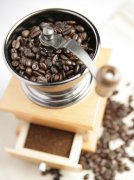
The Five Identities of Espresso Coffee
When you order an espresso, you’re not just getting a shot of coffee—you’re tapping into a complex ritual shaped by decades of refinement. But what exactly makes espresso ‘espresso’? Why is it treated differently from other brewing methods, and why does it hold such a central place in coffee culture? If you’ve ever wondered why baristas obsess over pressure, time, and roast level for espresso alone, you’re asking the right questions.
Espresso is five things at once: a carefully balanced coffee blend, a specific dark roast style, a high-pressure brewing method, the base for creative milk drinks, and a daily ritual in countries like Italy. Mastering it means understanding all five.
1. Espresso as a Blended Coffee
To espresso enthusiasts, a great shot isn’t made from a single coffee—it’s crafted from a blend. Different beans contribute unique traits: natural (sun-dried) beans add body and richness, while washed (water-processed) beans bring brightness and sweetness. Fresh crop beans (1–2 years old) offer vibrant acidity, whereas aged beans deliver deeper, mellower flavours. There’s no fixed formula; master roasters fine-tune blends through experience and trial, treating the process almost like composing music. That’s why skilled espresso roasters command deep respect.
2. Espresso as a Roast Style
Most commercial ‘espresso’ beans you find are dark roasted—specifically for espresso. This roast style pushes the coffee’s natural oils to the surface by driving heat beyond 200°C. At that stage, the roast can turn bad in seconds, pushing the roaster to balance flavour development and defect risk. The goal is to produce a roast profile ideal for high-pressure extraction: dark enough to develop sweetness and body, but not so far that it burns off complexity. That narrow margin is why espresso roasting is considered an art form.
3. Espresso as a Brewing Method
Espresso is defined by precise parameters. To make it correctly, you need: 5–8 grams of finely ground coffee, a water temperature between 85°C and 95°C, a brewing pressure of 7–9 atmospheres, and an extraction time between 25 and 35 seconds. These variables work together to create a thick, rich shot with a balance of sweetness, acidity, and bitterness. Deviate from this range and you risk under-extraction (sour, weak) or over-extraction (bitter, dry). That tight specification is what separates espresso from other brew methods.
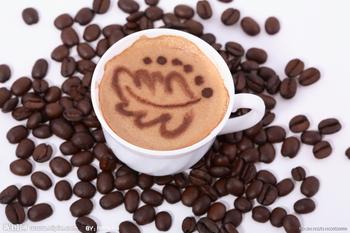
4. Espresso as a Culinary Base
The intense flavour and thick texture of espresso make it perfect for mixing with milk and other ingredients—without losing its character. This versatility has turned espresso into a foundation for creative coffee dishes. Add steamed milk and cinnamon, and you get a cappuccino. Stir in chocolate syrup and milk for a mocha. Top with just a bit of foamed milk, and it becomes a macchiato. Pour it over whipped cream, and you’ve got a con panna. Each variation showcases espresso as a flexible ingredient in the coffee kitchen.
5. Espresso as a Way of Life
In Italy, espresso is a daily fixture. Many start their day with a milk-based coffee like a latte at home, then stop at a café for a quick espresso at the bar. There, it’s not just a drink—it’s a moment to chat, connect, and take part in the community. Baristas often join the conversation, making the coffee shop a social hub. For Italians, espresso is routine, ritual, and relationship all in one cup.
Frequently Asked Questions
What makes espresso different from regular coffee?
Espresso is brewed under high pressure (7–9 atm) with a fine grind, producing a small, concentrated shot in 25–35 seconds. It has a thicker body, richer crema, and more intense flavour compared to regular drip or filter coffee, which is brewed with gravity and lower pressure.
Why is espresso roasted darker?
Espresso is typically dark roasted—often beyond 200°C—to develop sweetness, body, and crema. The high roast level extracts more soluble compounds during the short brew time and helps emulsify coffee oils into crema under pressure.
What’s the role of crema in espresso?
Crema is the golden-brown foam on top of a well-brewed espresso, formed by emulsified coffee oils, carbon dioxide, and air under pressure. It affects texture, aroma release, and is often seen as a sign of a properly extracted shot.
Can I use any coffee to make espresso?
Technically, yes—but espresso works best with blends or beans roasted specifically for it. Most espresso blends combine beans for balance, and many are dark roasted to suit the high-pressure, short brew time.
Is espresso stronger than drip coffee?
Espresso has more caffeine per ounce, but less per serving. A standard shot (about 30ml) has around 63mg of caffeine, while an 8oz drip coffee may have 95–200mg. So espresso is more concentrated but usually consumed in smaller amounts.
Recommended FrontStreet Beans for Espresso
FrontStreet Coffee recommends its Classic Blend and Commercial Blend for espresso brewing. The Classic Blend combines Brazilian, Mandheling, and a small portion of Robusta, roasted medium-dark to bring out notes of graham cracker, buttery toast, and caramel. It produces stable crema and bold flavours, ideal for beginners. The Commercial Blend offers a heavier body and rich, deep tones, built for consistency in café or home settings. Both are crafted to deliver the crema and intensity expected in a proper espresso shot. Freshly roasted within 5 days · Orders placed before 17:00 ship the same day · Next-day delivery across most of Guangdong Province.
FrontStreet Coffee is a long-established specialty coffee roaster in Guangzhou China, selling freshly roasted beans from its own farm in Yunnan as well as dozens of carefully selected single-origin beans from around the world for both pour-over and espresso. The products deliver consistently excellent quality and great value, with shipping within 24 hours. Guangzhou's FrontStreet Coffee shop is recommended by many coffee lovers, and the beans are now available online at the Tmall 。
Important Notice :
前街咖啡 FrontStreet Coffee has moved to new addredd:
FrontStreet Coffee Address: 315,Donghua East Road,GuangZhou
Tel:020 38364473