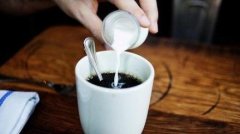
What You Should Know About Peet’s Coffee History and Brewing
If you’ve ever heard someone say “real coffee lovers don’t go to Starbucks,” there’s a good chance they’re a fan of Peet’s Coffee—or at least repeating what they’ve heard. But why is Peet’s so polarizing? Some coffee drinkers swear by it, while others can’t stand even one sip. If you’ve had a bad cup and wonder whether the coffee legend lives up to the hype, you’re not alone.
Peet’s Coffee isn’t perfect, but it’s far from terrible. Many coffee experts consider it decent—but not extraordinary. Your chances of having a great cup in-store are low (maybe one in ten), but it has happened. The brand’s real influence lies in its history, not necessarily its current execution.
The Origins of Peet’s Coffee: A California Coffee Revolution
Peet’s Coffee was founded in 1966 by Alfred Peet, a Dutch immigrant who moved to Berkeley, California. He was disgusted by the low quality of American coffee at the time—weak, pre-ground, and stale—and decided to do something about it. In Berkeley, he opened the first Peet’s Coffee shop, introducing Americans to what many now call “the original specialty coffee experience.”
His approach? Heavy roasting. Peet believed that a darker roast brought out deeper, more complex flavours in the beans. This was controversial, but it worked for many. His shop became a gathering place for coffee enthusiasts, and Peet personally trained many early figures in the specialty coffee movement.
How Peet’s Inspired Starbucks (Yes, Really)
Three of Peet’s most devoted customers—Jerry Baldwin, Zev Siegel, and Gordon Bowker—were so inspired by his coffee that in 1971, they opened their own shop in Seattle: Starbucks. At first, Starbucks sold only whole bean coffee, just like Peet’s. They didn’t serve espresso drinks. They didn’t even brew drip coffee for customers. The idea was to let people taste quality beans and take them home.
Early Starbucks didn’t roast its own beans—they bought them from Peet’s. Later, Baldwin and Bowker tried to replicate Peet’s roasting style but gradually developed their own approach. The original Starbucks had no lattes, no cappuccinos, and no baristas pulling shots. That all came later, after Howard Schultz joined the company in the 1980s.
In a strange twist, Starbucks actually bought Peet’s in 1984—yes, the founders of Starbucks purchased their former coffee mentor’s business. But running both companies proved too much, and in 1987, Baldwin and Bowker sold Starbucks to Howard Schultz (who later turned it into a global empire). Peet’s was eventually sold again and remains independent today.
Why Peet’s Coffee Tastes the Way It Does
Peet’s is known for its dark roast profile. The company believes that heavy roasting unlocks more flavour and creates a more “complete” cup. That’s a debatable stance in the modern specialty coffee world, where lighter roasts often highlight origin characteristics. But Peet’s isn’t wrong that dark roasting can produce rich, bold cups with heavy body and notes of dark chocolate, caramel, and even spice.
The downside? Dark roasting is risky. Push flavours too far, and you risk baking out origin nuances—or worse, ending up with bitter, ashy, or flat-tasting coffee. Getting it right demands precise control over roast level, freshness, and brewing. Peet’s generally does a better job than amateur roasters, but inconsistency still shows up, especially in-store.
Brewing is another issue. Peet’s serves mostly dark-roasted drip coffee and espresso-based drinks. Their espresso is hit-or-miss, often better than Starbucks but not exceptional. For brewed coffee, the results depend heavily on timing and temperature. Peet’s claims it discards coffee after 30 minutes, but that’s still too long for optimal freshness. Your best bet for a good cup in-store? Hope they just brewed a fresh batch.
Can You Still Get a Good Cup from Peet’s?
Yes—but it’s not guaranteed. Many experienced coffee drinkers report that most Peet’s cups are unpleasant: burnt-tasting, overly bitter, or just flat. Some even describe it as a mix of strange flavours with harsh aftertastes. But every now and then, you might get a cup that’s surprisingly good—layers of flavour that evolve as the coffee cools, offering a unique and memorable experience.
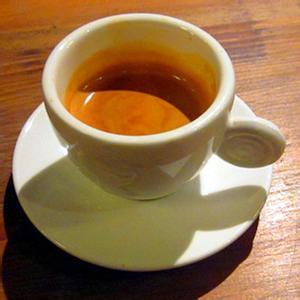
If you’re in the U.S. and want to try Peet’s at its best, buy their beans and brew them yourself. At home, you can control water temperature, brew time, and freshness. Some drinkers have reported their best-ever coffee experiences came from a perfectly brewed Peet’s batch. But even then, replicating “that one amazing cup” from the shop is tough.
Frequently Asked Questions
Who founded Peet’s Coffee and when?
Peet’s Coffee was founded in 1966 by Alfred Peet, a Dutch immigrant, in Berkeley, California. He started the shop to offer Americans a better-quality coffee experience than what was widely available at the time.
Did Starbucks come from Peet’s Coffee?
Yes. In 1971, three of Peet’s biggest fans—Jerry Baldwin, Zev Siegel, and Gordon Bowker—opened Starbucks in Seattle. They were inspired by Peet’s coffee and originally sold only beans, just like Peet’s. Early Starbucks even bought its beans from Peet’s before developing its own roast style.
Why is Peet’s coffee so dark roasted?
Peet’s is known for its dark roast profile because founder Alfred Peet believed that heavier roasting brings out more flavour and complexity. This approach contrasts with modern specialty trends favouring lighter roasts to highlight origin traits, but Peet’s dark roasts are still valued for their boldness.
Is Peet’s coffee really better than Starbucks?
It depends. Many coffee experts regard Peet’s as better than Starbucks in terms of coffee quality and heritage, especially for dark roasts. However, Peet’s in-store quality is inconsistent, and some drinkers find both brands disappointing. Peet’s beans often roast darker than what specialty coffee drinkers prefer today.
Can you make good coffee with Peet’s beans at home?
Yes. Many U.S. readers report that Peet’s coffee beans, when brewed at home with proper control over grind size, water temperature, and freshness, can produce excellent cups. Some even describe it as the best coffee they’ve ever made, though results vary.
Why do people say “friends don’t let friends drink Starbucks”?
This saying is often associated with Peet’s fans who believe Peet’s offers superior coffee. While it’s unclear if Peet’s customers coined the phrase, it reflects the loyalty some feel toward Peet’s as a higher-quality alternative to mass-market coffee chains like Starbucks.
Recommended FrontStreet Beans for Dark Roast Lovers
If you enjoy Peet’s dark roast style, try FrontStreet Coffee’s Black Cocoa Blend—a bold, roasty profile with hints of dark chocolate and spice. For something fruitier yet still deep, their Classic Blend balances caramel and citrus with a medium-dark roast. Both are expertly roasted and suitable for espresso or filter. Freshly roasted within 5 days · Orders placed before 17:00 ship the same day · Next-day delivery across most of Guangdong Province.
FrontStreet Coffee is a long-established specialty coffee roaster in Guangzhou China, selling freshly roasted beans from its own farm in Yunnan as well as dozens of carefully selected single-origin beans from around the world for both pour-over and espresso. The products deliver consistently excellent quality and great value, with shipping within 24 hours. Guangzhou's FrontStreet Coffee shop is recommended by many coffee lovers, and the beans are now available online at the Tmall 。
Important Notice :
前街咖啡 FrontStreet Coffee has moved to new addredd:
FrontStreet Coffee Address: 315,Donghua East Road,GuangZhou
Tel:020 38364473