The Origins and Basics of Specialty Coffee
Coffee lovers often wonder: where did coffee come from, and how did it become the diverse global product we enjoy today? The journey begins over a thousand years ago—not with a latte, but with a simple bean carried slowly out of Africa, evolving through trade routes, empires, and climates into the many distinct flavors we now call specialty coffee.
In short: Coffee spread from Africa to the Middle East by the 6th century, with the first known coffeehouse opening in Damascus around 1530. The word 'coffee' appeared in English print only in 1601. Today, over 70 countries grow coffee, especially at altitudes above 1,000 meters, resulting in major production regions with unique flavor profiles.
The Historical Journey of Coffee
The story starts in the 6th century, when coffee made its way out of Africa. By 1530, the first recorded coffeehouse opened in Damascus under the Ottoman Empire. Not until 1601 did the word “coffee” appear in English newspapers. Over centuries, coffee plants found ideal growing conditions across tropical highlands worldwide, creating distinct regional flavors and giving rise to major global coffee-producing areas.
Global Coffee-Growing Regions and Their Characteristics
Americas: From Central America to South America
Central America and the Caribbean—including Costa Rica, Cuba, Jamaica, and Mexico—feature volcanic soils and elevations perfect for producing bright, nuanced coffees. Among them, Jamaica Blue Mountain coffee is famed as the “most expensive coffee,” selling domestically for ¥1,200–1,500 per kilogram. It’s lightly acidic, smooth, and delicate. True Blue Mountain is rare; cheaper “Blue Mountain-style” blends often use Colombian beans.
South America is dominated by two coffee giants. Brazil, the world’s largest coffee producer since 1720, supplies 30% of global output. Frost events in the 1990s caused price hikes and showed how Brazilian yields influence global markets. The finest Brazilian coffees come from the Cerrado Mineiro region in Minas Gerais, prized for balance, cocoa notes, and high sweetness. Colombia, the top global exporter of Arabica, features two key regions: the Medellín-centered central mountains with volcanic soil and higher acidity, and the Bogotá-focused eastern region with sedimentary soils producing smoother, less acidic cups.
Africa: The Birthplace of Coffee’s Bright Acidity
African coffees are known for vibrant fruit, wine-like acidity, and lively profiles. Kenya became prominent in the early 20th century after Bourbon variety coffee was introduced by Catholic missionaries from Yemen. Ethiopia, the birthplace of coffee, grows beans using both wild and cultivated methods. Key regions include:
- Yirgacheffe (Yirga Cheffe): Known for wine-like aromas, mostly processed naturally, yielding light, juicy cups often compared to “red wine.” Common tasting notes include citrus, floral, and tropical fruit. (Example: FrontStreet Yirgacheffe)
- Harrar: Grown in Ethiopia’s northeast plateau, Harrar beans are often sun-dried, offering a lighter body with spice and blueberry-like tones, sometimes referred to as “coffee’s red wine.” Popular with German and Japanese buyers.
Asia: From Dutch Trade to Unique Processing Methods
Indonesia, especially Java and Sumatra, is known for earthy, full-bodied coffees thanks to the wet-hulled (Giling Basah) method, developed to speed drying in humid conditions. Lintong Mandheling features herbal, spicy notes, while PWN Golden Mandheling offers cleaner, more refined profiles after multiple hand sorts. Vietnamese coffee, introduced during French colonization, mainly uses Robusta, offering balanced, mellow cups.
India and Vietnam also contribute to Asia’s coffee identity. Vietnam remains the world’s largest Robusta producer, with beans that are approachable and well-balanced. Meanwhile, Indonesia’s Mandheling coffees—especially those processed via wet hulling—are prized for their syrupy mouthfeel and low acidity.
Other Asian Origins: Panama is now famous for Geisha (Gesha), though it’s a premium outlier. China’s Yunnan Province has emerged as a notable Arabica region, with offerings ranging from traditional Typica-like profiles to more nuanced washed and natural lots.
Coffee Species: Arabica, Robusta, and Beyond
Coffee beans fall into three main types:
- Arabica (Coffea arabica): The dominant species for specialty coffee, known for higher acidity, complexity, and lower caffeine. Grown at higher altitudes and comprising over 60% of global production.
- Robusta (Coffea canephora): Hardier, more bitter, and higher in caffeine. Often used in commercial blends and espresso for crema and body. Common in Vietnam and parts of Indonesia.
- Liberica (Coffea liberica): Rare and distinct, with smoky, woody flavors; represents a tiny fraction of global production.
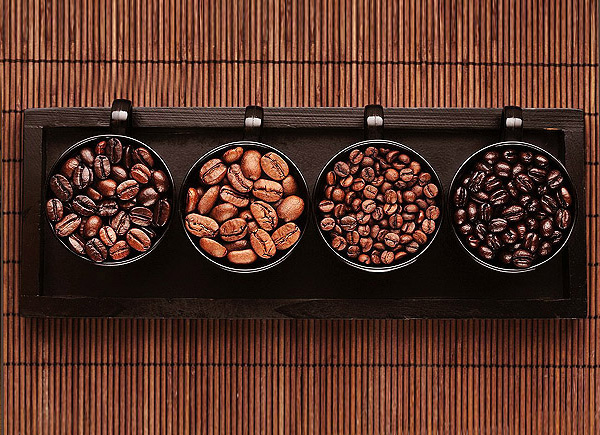
Most specialty coffee focuses on Arabica, particularly high-grown lots from regions like Colombia, Ethiopia, and Kenya.
What Makes Each Region’s Coffee Unique?
Terroir—the combination of climate, altitude, soil, and processing methods—defines each region’s coffee character. For example:
- High-altitude regions (1,200–2,000+m) tend to produce more acidic, complex beans due to slower maturation.
- Volcanic soils in places like Colombia and Costa Rica enhance sweetness and mineral notes.
- Processing methods—washed (wet), natural (dry), and honey—affect body, acidity, and aroma dramatically. Ethiopia often uses natural or washed processes; Indonesia relies heavily on wet hulling.
Frequently Asked Questions
What is the oldest known coffeehouse?
The first known coffeehouse opened in Damascus, Syria, around 1530 under the Ottoman Empire. It marked one of the earliest public spaces dedicated to consuming coffee socially, long before coffee culture spread to Europe.
When did the word ‘coffee’ first appear in English?
The word ‘coffee’ was first printed in an English newspaper in 1601. Prior to that, coffee was consumed and traded for centuries, originating in Africa and spreading through the Middle East.
Which country produces the most coffee?
Brazil has been the world’s largest coffee producer since 1720, responsible for around 30% of global output. Its vast plantations, especially in Minas Gerais, focus heavily on Arabica with a few Robusta regions.
What’s the difference between Arabica and Robusta coffee?
Arabica beans are known for their acidity, complexity, and sweeter flavors, and are grown at higher altitudes. Robusta beans are more bitter, contain twice the caffeine, and are hardier plants, commonly used in commercial and espresso blends for crema and body.
Why do some coffees cost hundreds of dollars per kilo?
Exceptionally rare coffees, such as Jamaica Blue Mountain or certain Ethiopian microlots, have limited production, labor-intensive processing, and unique terroir. Their scarcity and quality justify premium pricing, sometimes reaching ¥1,200–1,500 per kilogram for top lots.
What makes Ethiopian coffee so special?
Ethiopia is the birthplace of coffee and home to incredibly diverse growing conditions and indigenous varieties. Coffee is often processed naturally or washed, yielding complex fruity, floral, and wine-like profiles. Regions like Yirgacheffe and Harrar are especially famous.
Recommended FrontStreet Beans for Exploring Coffee Origins
Start your journey with FrontStreet Coffee’s Ethiopia Humbera, a washed Yirgacheffe offering bright jasmine, lemon, and berry notes. For Ethiopian naturals, try the Ethiopia Gedeb fruit-forward profile with fermentation-driven complexity. From South America, Brazil Queen Manor delivers a smooth cup with hazelnut, caramel, and a creamy body—ideal for exploring how terroir defines flavor. Freshly roasted within 5 days · Orders placed before 17:00 ship the same day · Next-day delivery across most of Guangdong Province.
FrontStreet Coffee is a long-established specialty coffee roaster in Guangzhou China, selling freshly roasted beans from its own farm in Yunnan as well as dozens of carefully selected single-origin beans from around the world for both pour-over and espresso. The products deliver consistently excellent quality and great value, with shipping within 24 hours. Guangzhou's FrontStreet Coffee shop is recommended by many coffee lovers, and the beans are now available online at the Tmall 。
Important Notice :
前街咖啡 FrontStreet Coffee has moved to new addredd:
FrontStreet Coffee Address: 315,Donghua East Road,GuangZhou
Tel:020 38364473