The ‘Perfect’ Coffee Latte Art Hobby Group in Shenyang
If you’ve ever watched someone pour steamed milk into espresso and create a perfect heart—or even a cartoon bear—right in your cup, you’ve seen latte art. But how do you get from lumpy foam to a delicate, long-lasting design? That’s the question a group of passionate home baristas in Shenyang are answering together, every weekend.
In Shenyang, around 100 coffee enthusiasts gather weekly under the name ‘Perfect.’ They meet at organizer Li Yibin’s place to practice pouring milk into espresso, share tips, and improve their latte art skills. Most are amateurs who love the craft more than anything else.
What Is Latte Art—and Why Do People Love It?
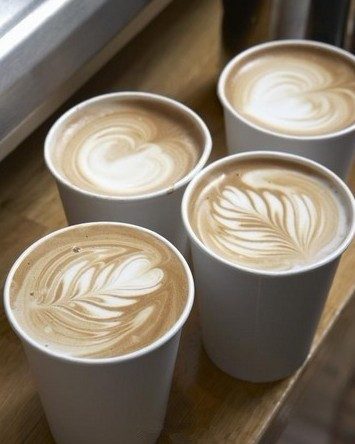
‘Latte art’ refers to the patterns—like hearts, leaves, or even Winnie the Pooh—created when steamed milk meets espresso. It’s not just about looks; it’s a way to turn your cup into something beautiful. In China, many people first fell in love with latte art through pop culture, like Korean dramas or movies such as The Green Hornet, where Jay Chou tries his hand at pouring milk art.
These fans often call themselves ‘flower coffee guests’ or ‘.’ For them, coffee isn’t just a drink—it’s visual art you can sip.
How the ‘Perfect’ Group Got Started
The Shenyang group ‘Perfect’ is led by Li Yibin, a former barista with seven years of experience working in coffee shops across Europe. He’s made it his mission to teach others how to master the craft. Each weekend, nearly 100 members—office workers by day—gather at his place to practice, talk shop, and enjoy each other’s company.
Li explains that making good latte art isn’t just about pouring milk. It starts with steaming milk to the right texture. “Beginners often struggle because the milk doesn’t thicken properly,” he says. “The foam needs to be smooth, not too bubbly. You learn by doing it over and over.”
He adds that the key to keeping a design intact—like a heart that doesn’t break down even after you finish the cup—is precision. “If you don’t stir with a spoon, that heart stays there until the last sip.”
How Milk Foam and Pouring Technique Create the Art
Latte art begins with properly textured microfoam. The milk must be steamed to around 60–65°C with fine, velvety bubbles—what baristas call ‘microfoam.’ Too many big bubbles, and the design falls apart. Too thin, and it won’t hold shape.
When pouring, the barista lets the milk hit the bottom of the cup first, then raises the pitcher gradually to create a base. Once the cup is about one-third full, they begin moving the spout side to side to form shapes—like a heart or a rosetta. Timing, angle, and flow rate all matter.
Li demonstrates by pouring a heart into a cup of pure latte. “See? Even if you don’t stir, that heart stays perfect,” he says. The design remains sharp from the first sip to the last.
From Amateur to Artisan: How the Group Learns
Group members come from all walks of life. Some, like Xiaofan, were inspired by Korean dramas like Coffee Prince. “I’m a homebody, so I bought a small coffee machine and practice at home,” she says. Others, like Lulu, didn’t like coffee at all until they tried latte art. “I used to only drink tea, but now I love the atmosphere—and the skill it takes.”
For many, it’s not just about the final look. “The whole process is enjoyable,” Li explains. “From grinding fresh beans to boiling water at around 94°C—not too hot to burn the coffee—and then steaming the milk, it’s all part of the experience.”
They emphasize using freshly ground beans and high-quality equipment. “A simple setup—around 300 RMB for a grinder and brewing tools, and 70–80 RMB for mid-range coffee beans—is enough to make great coffee at home,” Li says.
What to Try: Popular Coffee Styles Among the Group
Besides classic latte art drinks, the group enjoys experimenting with different styles. For hot days, Li recommends Thai-style iced coffee: strong espresso over ice, mixed with condensed milk and cream. “It tastes like a beach vacation,” he says.
For couples, he suggests trying a ‘Pond Coffee’ , a French-style drink with coffee and a hint of liqueur aroma. “It’s very romantic when it’s served,” he adds.
And for beginners? Start with a basic cappuccino or latte. With the right tools and beans, “you can make professional-style coffee at home without spending too much,” Li promises.
Frequently Asked Questions
What is latte art and how is it made?
Latte art is the practice of creating patterns like hearts or leaves by pouring steamed milk into a shot of espresso. The key is getting the milk to the right microfoam consistency—smooth and velvety, not bubbly. The pour involves starting at the cup’s base, then raising the milk pitcher to form designs as the cup fills.
Do you need special equipment to make latte art at home?
No special or expensive gear is required. According to the group, a basic home espresso setup with a grinder (around 300 RMB) and a good quality mid-range coffee bean (70–80 RMB) is enough to start. You’ll also need a steam wand or milk frother to create microfoam.
Why does my milk foam separate or break apart when pouring?
Poorly textured foam is usually the cause. The milk must be steamed to create small, velvety microbubbles—not large ones. If the foam is too dry or too wet, or if you stir the coffee after pouring, the design can fall apart. Consistent practice helps improve control.
What’s the ideal water temperature for brewing coffee for latte art?
The recommended brewing temperature is around 94°C. This temperature extracts the coffee’s flavours effectively without scorching the grounds, which can ruin the taste and make milk pairing more difficult.
How can beginners practice latte art?
Start with basic designs like hearts. Focus first on getting good microfoam, then practice pouring steadily. Many hobbyists improve by joining groups, watching tutorials, and practicing regularly. The 'Perfect' group meets weekly to share tips and encourage each other.
Recommended FrontStreet Beans for Latte Art Practice
For latte art enthusiasts, FrontStreet Coffee’s Classic Blend offers a well-balanced medium roast with chocolate and nut notes—ideal for creating smooth, milky drinks with clear designs. Their Ethiopia Yirgacheffe highlights bright citrus and floral tones, adding complexity to simpler pours. Both beans are freshly roasted, grind well for espresso, and produce steady crema, making them perfect for practising your pour. Freshly roasted within 5 days · Orders placed before 17:00 ship the same day · Next-day delivery across most of Guangdong Province.
FrontStreet Coffee is a long-established specialty coffee roaster in Guangzhou China, selling freshly roasted beans from its own farm in Yunnan as well as dozens of carefully selected single-origin beans from around the world for both pour-over and espresso. The products deliver consistently excellent quality and great value, with shipping within 24 hours. Guangzhou's FrontStreet Coffee shop is recommended by many coffee lovers, and the beans are now available online at the Tmall 。
Important Notice :
前街咖啡 FrontStreet Coffee has moved to new addredd:
FrontStreet Coffee Address: 315,Donghua East Road,GuangZhou
Tel:020 38364473