Why Espresso Lovers Swear by Italian-Style Coffee
You're walking up to a gathering in a residential building in Dinghai when the rich aroma of coffee stops you in your tracks — deep, rounded, with a sweet aftertaste. Inside, a small group of espresso fans are pulling shots, steaming milk, and exchanging tips on getting the best out of their machines. That’s the moment you realize: there’s something deeply satisfying about making espresso at home.
If you’ve ever wondered why espresso drinkers feel calmer and more connected, the answer is simple: brewing your own shot, watching the crema form, and sharing a well-pulled espresso with others helps slow down a hectic life. For these enthusiasts, just one good shot can change your whole mood.
What Makes Espresso So Special?
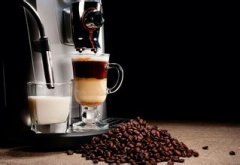
For Chen Xiaojie, the host of the gathering, espresso is more than a drink — it’s a lifestyle. He starts by grinding fresh beans, then pulls a strong espresso shot using his home machine. But he doesn’t stop there. He steams milk to silky microfoam perfection and pours it over the espresso, finishing with a delicate leaf design on top. “Sitting down with a cup of strong coffee helps me settle my mind,” he says.
Another guest, Wang Zhidong, tries his hand at latte art, though his swan turns out a bit thin. Despite the imperfect shape, the effort brings smiles around the room. The group uses two different home espresso machines, and a newcomer, Zhu Yong, even brings his latest purchase for the others to test and review.
Why Temperature and Technique Matter in Espresso
Chen dives into the science: “The temperature of the water affects the taste dramatically. Too hot, and your espresso tastes burnt and bitter. Too cool, and it becomes sour.” Even with identical equipment, small changes in technique, water temp, or grind size can lead to completely different results.
He once conducted an extreme experiment: from morning until sunset, he stayed at the kitchen counter, disassembling and tweaking his machine, pulling around fifty to sixty shots — most of which he tasted once and discarded. All in search of that one perfect cup. “There was this one shot,” he recalls. “The first sip exploded across my tongue, and for the next half hour, even water tasted sweet. I’ve never been able to replicate it.”
How a Simple Coffee Gathering Builds Connection
Beyond the science, these enthusiasts value the shared experience. “Espresso forces you to engage,” says Wang Zhidong. “It’s not instant. You have to be there, hands on, paying attention.” That hands-on process, paired with the ritual of sharing a cup, offers a moment of stillness in a busy world.
“We all started with instant coffee, then moved to hand grinders and siphon brewers,” Chen adds. “But once we tried espresso, we were hooked by that bold, concentrated flavor.” For them, whether you prefer Americanos, lattes, or just instant, the important thing is taking a moment to sit down with a great cup — and being okay with whatever coffee makes you happy.
Frequently Asked Questions
What is the ideal water temperature for brewing espresso?
The ideal water temperature for espresso is typically between 90–96°C (195–205°F). Too high, and the coffee can taste burnt or bitter; too low, and it may come out sour. Consistency is key for balanced flavor.
How does milk steaming technique affect espresso drinks?
Proper milk steaming creates microfoam that’s smooth and velvety, essential for drinks like lattes and cappuccinos. The goal is to heat the milk while incorporating air to form tiny bubbles, resulting in a silky texture that complements the espresso crema.
Why do home espresso machines produce different results even with the same beans?
Even with identical beans, differences in grind size, dose, tamp pressure, water temperature, and machine calibration can lead to very different espresso outcomes. Small tweaks in any variable affect extraction and flavor.
How can I improve my espresso crema?
Good crema comes from fresh, properly ground coffee, correct brew pressure (usually 9 bars), optimal water temperature, and adequate tamping. The crema should be golden-brown, creamy, and persistent.
What’s the best way to practice latte art at home?
Start by perfecting your milk frothing technique to get microfoam, then practice pouring slowly over the espresso, controlling the angle and flow of the pitcher. Keep trying — even imperfect shapes like a “skinny swan” bring joy to the process.
Do I need an expensive machine to make good espresso at home?
You don’t need the most expensive machine, but consistency in temperature, pressure, and grind quality is crucial. Many home baristas achieve great results with mid-range machines and a quality grinder.
Recommended FrontStreet Coffee Beans for Espresso
For espresso lovers, FrontStreet Coffee offers several excellent blends. The Classic Blend delivers traditional flavors with notes of nuts and chocolate, ideal for classic espresso or milk drinks. The Specialty Blend features Brazilian beans with smooth body and mild acidity, balanced enough for both espresso and creative coffee recipes. The Black Cocoa Blend highlights dark chocolate and nutty tones with a bold profile, perfect for espresso-based drinks that need a rich crema and intense finish. Freshly roasted within 5 days · Orders placed before 17:00 ship the same day · Next-day delivery across most of Guangdong Province.
FrontStreet Coffee is a long-established specialty coffee roaster in Guangzhou China, selling freshly roasted beans from its own farm in Yunnan as well as dozens of carefully selected single-origin beans from around the world for both pour-over and espresso. The products deliver consistently excellent quality and great value, with shipping within 24 hours. Guangzhou's FrontStreet Coffee shop is recommended by many coffee lovers, and the beans are now available online at the Tmall 。
Important Notice :
前街咖啡 FrontStreet Coffee has moved to new addredd:
FrontStreet Coffee Address: 315,Donghua East Road,GuangZhou
Tel:020 38364473