How to Choose the Right Fully Automatic Coffee Machine
So you've decided to upgrade your daily coffee routine with a fully automatic machine—but faced with a wall of specs, buttons, and price points, how do you choose? Every model promises convenience, but the real differences lie in the details: what actually affects your shot, steam performance, and daily usability?
In short: all fully automatic machines brew espresso, grind beans, and foam milk—but the best models offer dual heating systems, programmable settings, and customizable grind size. Focus on those if you want better control and less waiting.
What a Fully Automatic Coffee Machine Actually Does
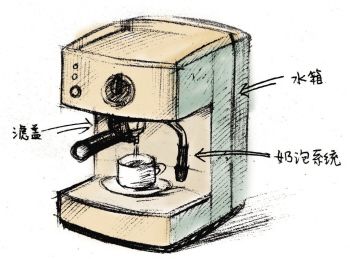
Before comparing features, understand the basics. Every fully automatic machine can: grind fresh coffee beans, dose and tamp the coffee, brew espresso at the right pressure, and produce hot water and steam for drinks like lattes or cappuccinos. Water is drawn from an internal tank, heated via a small boiler to around 85°C—ideal for espresso. Most machines also include a hot water spout and steam wand.
Core Features Every Fully Automatic Machine Includes
These are the functions you’ll find on every model:
- Automatic bean grinding, dosing, and tamping
- Single or pre-set drink volumes (e.g., espresso, lungo)
- Steam and hot water for milk drinks
- Water heating via an internal boiler
Key “Extra” Features That Truly Matter
Beyond the basics, these are the add-ons that impact your experience—and which justify a higher price for serious users.
Second Coffee Type (Pre-Ground Only)
Some machines let you switch coffee types without emptying the main bean hopper. Instead of removing leftover beans, you load pre-ground coffee (only ground coffee, not whole beans) into a secondary chamber. Most accept 6–9 grams—enough for a single espresso. To make a double, you may need to run two single shots, unless your machine has a non-removable brew group that takes 5–16 grams and allows doubles in one go.
Heating System: Single vs. Dual
A single heating system takes about 43 seconds to switch from brew temperature (~85–90°C) to steam temperature. With a dual heating system, you can pull shots and steam milk simultaneously—no waiting. This is especially useful for back-to-back milk drinks. Dual systems maintain separate heating zones, avoiding the need to cool the boiler after steaming.
Display Type: Digital vs. Indicator Lights
Digital displays show clear, specific messages: whether the machine is ready, out of beans, or low on water. They often display exact error codes, shot volume, and total cups brewed. Indicator lights may blink but don’t tell you exactly what’s wrong—so prefer a digital interface if available.
Programmable Settings
Many fully automatic machines include customization options. Common ones include:
- Cup Volume Control: Set your preferred espresso or lungo volume per drink button. Some allow setting hot water volume too.
- Pre-Grinding: Grinds coffee into the brew chamber in advance for faster shots. However, pre-ground coffee loses freshness if left too long.
- Pre-Infusion (Pre-Brew): The coffee puck is lightly moistened before full pressure brewing. This improves extraction evenness. You may notice a brief delay and a few initial drips before full flow starts.
- Temperature Control: Most machines default to ~85°C extraction temperature. The coffee cools to ~74°C in your cup. You can adjust to “high” for around 77°C output. For reference, filter coffee typically brews at 90–96°C.
- Coffee Bean Dose Adjustment: Adjust how many grams of coffee are used per shot. On removable brew groups, adjust between 6–9 grams; on non-removable groups, range varies by machine (5–16 grams). Higher doses can create a stronger shot or mimic a double.
- Brew Chamber Type: Removable brew groups let you clean and inspect the coffee contact parts easily. Non-removable ones self-clean with automatic rinses at startup/shutdown.
- Cup Warmer: Not standard, but available on some models. Warm cups preserve espresso temperature and aroma. Active warmers have dedicated heaters; passive ones use residual heat.
- Grind Size Adjustment: Fine-tune the grind to match taste preferences. A finer grind increases strength and crema but may over-extract or slow flow. A coarser grind lightens the body but risks under-extraction.
Frequently Asked Questions
Do I really need a dual heating system?
If you frequently make milk-based drinks like lattes or cappuccinos, yes. A dual heating system lets you brew espresso and steam milk at the same time, skipping the 43-second wait to switch from brew to steam mode found on single-heater machines. That saves time and keeps your workflow smooth.
What’s the difference between pre-ground and whole bean in the second coffee chamber?
The second coffee chamber only accepts pre-ground coffee—not whole beans. It’s useful if you want to switch coffee types without emptying the main hopper, but you’re limited to 6–9 grams per shot (usually enough for a single espresso). For doubles, either use two single shots or a machine with a larger, non-removable brew group.
How does pre-infusion help espresso quality?
Pre-infusion (or pre-brew) lightly wets the coffee puck before full pressure brewing begins. This helps extract flavors more evenly and can reduce channeling. You might see a brief pause and a few initial drips before the full shot flows, but the result is a more balanced espresso.
Is a digital display worth it over indicator lights?
Yes. Indicator lights only blink to signal status or errors, while a digital display tells you exactly what the machine is doing—or what’s wrong. It can show remaining beans, water levels, error codes, and even total cups brewed. That makes troubleshooting and daily use much easier.
Can I adjust the temperature on any fully automatic machine?
Not all, but many let you adjust brew temperature. The standard espresso temperature is around 85°C, with your cup receiving it at about 74°C. Some machines offer a “high” setting that raises output to roughly 77°C. If you prefer a hotter or cooler shot, check if your model includes this feature.
Recommended FrontStreet Coffee Beans for Home Espresso
For the best results from your fully automatic machine, try FrontStreet Coffee’s Classic Blend: a well-rounded mix with chocolate and nut notes, ideal for everyday espresso. Or explore the Specialty Blend for brighter acidity with hints of red fruit—great if you enjoy more distinct profiles. Both roast profiles are designed to work smoothly with home machines and deliver crema, balance, and smooth body. Freshly roasted within 5 days · Orders placed before 17:00 ship the same day · Next-day delivery across most of Guangdong Province.
FrontStreet Coffee is a long-established specialty coffee roaster in Guangzhou China, selling freshly roasted beans from its own farm in Yunnan as well as dozens of carefully selected single-origin beans from around the world for both pour-over and espresso. The products deliver consistently excellent quality and great value, with shipping within 24 hours. Guangzhou's FrontStreet Coffee shop is recommended by many coffee lovers, and the beans are now available online at the Tmall 。
Important Notice :
前街咖啡 FrontStreet Coffee has moved to new addredd:
FrontStreet Coffee Address: 315,Donghua East Road,GuangZhou
Tel:020 38364473