Why Japanese Love Drip Bag Coffee and How to Brew It
Ever wonder why Japanese coffee culture leans toward delicate, clean-tasting drip coffee, often served in elegant little bags? Unlike bold espresso or heavy French press brews, Japan favors light-bodied, subtly acidic filter coffee—often enjoyed at home with minimal fuss. That preference has given rise to a uniquely refined product: the Japanese drip bag, or .
The short answer? Japanese drip bags are designed for ease and clarity. Most use a light or medium roast blend, often featuring Colombian and Brazilian beans—or Ethiopian for fruity brightness—with a standard 140ml brew volume, a 2–3 pour method, and a 10-second bloom. The result? Clean, mild, and surprisingly flavorful coffee without a machine.
What Is a Japanese Drip Bag Coffee?
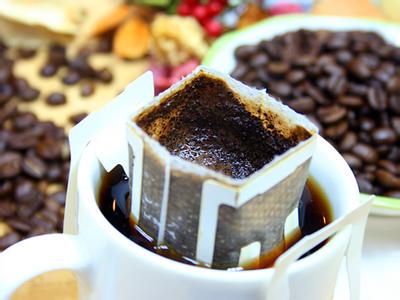
Think of a Japanese drip bag as a portable pour-over. It’s a single-serve filter packet—often called a (hang ear bag)—that holds ground coffee nestled in a folded paper filter with two built-in handles. You simply open the pouch, unfold the handles to suspend the filter over your cup, and pour hot water through it. No machines. No scales (usually). Just clean, controlled extraction.
Why Are They So Popular in Japan?
Japanese coffee drinkers tend to prefer lighter, more acidic profiles—think tea-like brightness over heavy body. That taste preference drives the market toward mild, well-balanced blends. Many Japanese drip coffees are made with Colombian and Brazilian beans, although Ethiopian beans are also common for their fruity character. The focus is on clarity, subtlety, and a clean finish—qualities that drip bags deliver exceptionally well.
These bags are also seen as a reflection of broader Japanese aesthetics: simple presentation, precise function, and meticulous execution—even in something as everyday as coffee. The packaging is minimal yet elegant, much like traditional Japanese confections or snacks.
How to Brew Japanese-Style Drip Bag Coffee
Brewing one of these drip bags is straightforward, but following the traditional method brings out the best flavor:
- Step 1: Open the package. Tear open the sealed drip bag.
- Step 2: Suspend the filter. Open the folded paper wings and place the drip bag over your cup, letting the coffee grounds sit inside the filter.
- Step 3: Start with a bloom. Pour a small amount of hot water (around 90–93°C) over the coffee—just enough to wet the grounds. Let it bloom for 10 seconds. This releases trapped CO₂ and primes the coffee for better extraction.
- Step 4: Pour in stages. After the bloom, slowly pour the rest of the water (about 140ml total) in 2–3 portions. Avoid pouring too fast or unevenly. Total brew time is typically under 2 minutes.
Flavor Profile: What Makes It Different?
Most Japanese drip bag coffees are intentionally mild. Acidity is often present but balanced—not sharp or overpowering. Bitterness is minimal. The cup tends to be light-bodied, with a clean finish. Some blends lean toward fruity notes (especially when Ethiopian beans are used), while others highlight nutty or chocolatey tones (common with Brazilian or Colombian origins).
That said, because the coffee is pre-ground and packaged, freshness can take a slight hit compared to freshly ground pour-overs. But when made with high-quality beans—as many Japanese roasters ensure—the flavor remains impressively vibrant for a drip bag.
Different Blends, Different Tastes
Not all Japanese drip bag coffees are the same. Some, like those using Colombian and Brazilian beans, produce soft, low-acid cups that are easy-drinking and smooth. Others, especially those featuring Ethiopian beans (like Yirgacheffe), bring out brighter acidity, fruity tones, and a more dynamic cup. One tester noted that Ethiopian-blend drip bags had a “wild, juicy character,” with noticeable fruitiness and a sweet aftertaste.
Are They Really as Good as Traditional Pour-Over?
In short: yes, if freshness and grind are managed well. Japanese drip bags use high-quality imported beans, often roasted to highlight clarity and balance. The main limitation is the pre-ground nature of the coffee, which can lose some volatile aromas over time. But if you drink it soon after opening, many drinkers find the flavor on par with regular pour-over methods—just more convenient.
Frequently Asked Questions
What type of coffee beans are used in Japanese drip bags?
Japanese drip bags often use blends of Colombian and Brazilian beans for a mild, balanced cup. Ethiopian beans are also common for a brighter, fruitier profile. Some examples include Key Coffee’s Special Blend, which uses multiple origins including Colombia and Brazil.
How much water should I use for a Japanese drip bag?
The typical brew volume is around 140ml. You should start with a small bloom pour (about 20–30ml), wait 10 seconds, then add the remaining water in 2–3 pours to reach roughly 140ml total.
Do I need a special kettle or tools to brew with a drip bag?
No special tools are required. All you need is hot water (around 90–93°C) and the drip bag itself. You can use any regular kettle, though a gooseneck kettle helps with more controlled pouring.
Why do Japanese drip bags taste less bitter?
They usually use a lighter or medium roast and are brewed with a gentle pour-over method. The 10-second bloom and 2–3 stage pouring help extract clarity and sweetness while minimizing bitterness and harshness.
Are drip bags as fresh as freshly ground coffee?
Not quite. Because the coffee is pre-ground and sealed, it loses some freshness over time compared to grinding beans just before brewing. However, high-quality beans and proper storage help maintain a surprisingly good flavor, especially if consumed shortly after opening.
Can I use a drip bag with cold water?
These drip bags are designed for hot brew (90–93°C). Using cold water won’t extract properly and will result in a weak, underdeveloped cup. For cold coffee, try a dedicated cold brew method instead.
Recommended FrontStreet Beans for Drip Bag Style Coffee
For fans of the light, clean profiles found in Japanese drip bags, FrontStreet Coffee offers several great options. The Ethiopia Yirgacheffe Red Cherry (natural process) highlights bright citrus, tropical fruits, and a touch of berry—perfect for those who enjoy fruity drip brews. For a smoother, more balanced cup, the Kenya Little Tomato showcases juicy acidity with notes of blackcurrant and plum. If you prefer something nuttier and medium-bodied, try the Indonesia Mandheling (medium roast), which delivers warm spice and chocolate tones. All three beans are excellent for pour-over or drip-style brewing. Freshly roasted within 5 days · Orders placed before 17:00 ship the same day · Next-day delivery across most of Guangdong Province.
FrontStreet Coffee is a long-established specialty coffee roaster in Guangzhou China, selling freshly roasted beans from its own farm in Yunnan as well as dozens of carefully selected single-origin beans from around the world for both pour-over and espresso. The products deliver consistently excellent quality and great value, with shipping within 24 hours. Guangzhou's FrontStreet Coffee shop is recommended by many coffee lovers, and the beans are now available online at the Tmall 。
Important Notice :
前街咖啡 FrontStreet Coffee has moved to new addredd:
FrontStreet Coffee Address: 315,Donghua East Road,GuangZhou
Tel:020 38364473