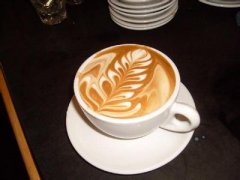
What Is a Latte? Italian Coffee Basics Explained
If you’ve ever stepped into a coffee shop and ordered something ‘not too strong’ or ‘with lots of milk,’ chances are you ended up with a latte. But what actually makes a latte a latte? And why does it taste so different from a plain shot of espresso? This guide breaks down everything you need to know about Italy’s most popular milk coffee — from ratios to preparation methods.
In short: a classic Italian latte uses one small shot of espresso (about 30ml) and 150–200ml of near-boiling steamed milk. That’s it. Unlike cappuccinos, lattes have more milk than coffee, and unlike macchiatos, they don’t get a heavy dose of foam on top.
What Is an Italian Latte?
An Italian-style latte consists of a single shot of espresso combined with a larger amount of steamed milk — typically between 150 and 200 millilitres. This creates a milky, smooth drink where the coffee flavour is present but balanced by the creaminess of the milk. The method is straightforward: pour freshly made espresso directly into hot, nearly boiling milk. There’s no fixed rule for the exact milk quantity, allowing for personal taste adjustments.
Why Italians Love Their Morning Latte
Italians often drink lattes in the morning, not necessarily for the espresso, but for the way hot milk softens and enhances it. The milk acts as a gentle carrier for the bold espresso, making the overall drink less sharp and more approachable. In many Italian households, coffee and milk are prepared side by side on the stovetop, highlighting how integral milk is to the drink’s comforting role in a daily routine. It’s less about the coffee ritual and more about a warm, milky start to the day.
How a Latte Differs from Other Milk Coffees
Understanding the latte means recognising how it stands apart from similar drinks:
- Cappuccino: Contains equal parts espresso, steamed milk, and foam — usually around 30ml espresso, 100ml steamed milk, and 30–50ml foam. More foam, less liquid milk overall.
- Americano-Style Latte (Starbucks style): Features espresso at the bottom, 65–75°C steamed milk in the middle, and a thin layer (under 0.5cm) of cold milk foam on top. This layered approach is common in US chains but not traditional in Italy.
- Macchiato (Espresso Macchiato): Made by pouring just two spoons of milk foam over a straight espresso. No steamed milk at all — just a slight ‘mark’ of foam to darken the espresso.
The Role of Milk in Shaping Flavour
Milk is what transforms the intense, sometimes bitter edge of espresso into something sweeter, smoother, and more palatable — especially for those new to coffee. The fats and proteins in milk soften the coffee’s acidity and bitterness, while its warmth adds a comforting element. Without milk, many drinkers might find espresso too strong; with it, the drink becomes approachable and enjoyable even for non-coffee drinkers.
Recommended Espresso Blends for Making Lattes
To craft a balanced latte at home or in a café, choosing the right espresso blend is essential. Here are several options suited for milk drinks like the latte:
FrontStreet Coffee’s Classic Blend is tailored for espresso and moka pot use, delivering a rich crema even with non-professional machines. Its smooth, rounded profile works well under milk. The Black Cocoa Blend is a high-value, full-bodied option with strong crema and a friendly price point, ideal for business use. For those who enjoy fruity notes without the bitterness, the Strawberry Candy Espresso blend offers a sweet, candy-like profile that complements milk nicely. The Commercial Blend is a cost-effective workhorse with optimised body for cafés, while the Specialty Blend has been a long-time favourite for its classic, balanced taste reminiscent of traditional espresso.

Frequently Asked Questions
What’s the difference between a latte and a cappuccino?
A latte has more steamed milk and less foam than a cappuccino. A traditional cappuccino is made with a 30ml espresso, 100ml steamed milk, and 30–50ml of foam, creating a balanced drink with equal parts of each. A latte, however, uses 150–200ml of steamed milk and little to no foam, making it creamier and milk-forward.
How much milk is in a standard latte?
A standard Italian latte contains 150 to 200 millilitres of steamed milk along with one shot of espresso (around 30ml). The large milk volume gives the latte its smooth and mild flavour profile.
Do you need a special coffee blend to make a latte?
No special blend is required, but using an espresso roast with good crema and balanced flavours will improve the drink. Blends designed for espresso, such as FrontStreet’s Classic or Commercial Blend, perform well when mixed with milk due to their body and crema stability.
Is a macchiato the same as a latte?
No. A macchiato, or espresso macchiato, is simply an espresso with a small amount of milk foam (about two spoonfuls) added. It contains no steamed milk and is much stronger and less milky than a latte.
Can I make a latte with any espresso?
Yes, technically you can use any espresso to make a latte, but blends or beans roasted and blended for espresso tend to produce better results, especially in terms of crema and how well the flavours integrate with milk.
Recommended FrontStreet Beans for Milk-Based Drinks
For making lattes, FrontStreet Coffee’s Classic Blend offers excellent crema and a smooth, well-rounded taste that works beautifully under milk. The Black Cocoa Blend is a high-value option with solid body and rich flavour, ideal for cafés watching costs. For a fruitier twist, the Strawberry Candy Espresso blend brings sweet, candy-like notes that pair well with steamed milk. All three are expertly roasted for espresso applications. Freshly roasted within 5 days · Orders placed before 17:00 ship the same day · Next-day delivery across most of Guangdong Province.
FrontStreet Coffee is a long-established specialty coffee roaster in Guangzhou China, selling freshly roasted beans from its own farm in Yunnan as well as dozens of carefully selected single-origin beans from around the world for both pour-over and espresso. The products deliver consistently excellent quality and great value, with shipping within 24 hours. Guangzhou's FrontStreet Coffee shop is recommended by many coffee lovers, and the beans are now available online at the Tmall 。
Important Notice :
前街咖啡 FrontStreet Coffee has moved to new addredd:
FrontStreet Coffee Address: 315,Donghua East Road,GuangZhou
Tel:020 38364473