Espresso Latte Art: Basics and Key Techniques
If you’ve ever watched a barista pour those perfect leafs and hearts into a cappuccino and wondered how they did it, you’re not alone. Latte art might look effortless, but it’s built on precise technique—especially getting the milk right. Without the proper foam, even the best pour won’t save your drink. Here’s how to build the foundation and start crafting real latte art at home or in the café.
In short: To make decent latte art, your milk must be smooth and microfoamy with no big bubbles, steamed at a 45-degree angle to control bubble size. Start by practicing the heart shape—then the leaf—and use a proper half-automatic espresso machine for best results. Larger cups also make early practice easier.
Why Milk Texture Is Everything in Latte Art
The single most important skill in latte art isn’t pouring—it’s steaming milk. Good latte art depends entirely on having milk that’s silky, microfoamy, and free of large bubbles. If your milk has big, chunky bubbles, no amount of pouring skill will let you draw clean shapes. Latte art starts way before the pitcher hits the cup.
The Right Way to Steam Milk
To get that ideal milk texture, angle matters. Position your steam wand at a 45-degree angle to the surface of the milk. By raising and lowering the pitcher slightly, you control how fine or coarse the foam becomes. This technique helps create the smooth, velvety microfoam required for clean latte art pours—not dry foam or big bubbles.
Start With the Heart: The Foundation of All Patterns
The heart is the most basic latte art shape—and the one you must master first. Every other design builds from it. Once you can pour a clean, symmetrical heart consistently, you’re ready to move on to more complex patterns like leaves, trees, and multiple designs. Without a well-formed heart, your art won’t hold together visually.
From Heart to Leaf: Building More Advanced Designs
The leaf pattern evolves directly from the heart. The key technique here is initiating the motion by shaking the pitcher to form the heart shape around halfway through the pour, then continuing downward to form the stem. Other designs like feathers, apples, double hearts, and double leaves require additional practice—but they all rely on the same fundamentals of flow control and pour timing.
Why Cup Size Matters for Beginners
Smaller cups make latte art significantly harder because you have less room for error and less surface to work with. For beginners, it’s smarter to start with slightly larger cups—typically 8 to 12 ounces—so you have more time and space to get the pour right. As your control improves, you can scale down.
You Need the Right Equipment
Only a semi-automatic espresso machine gives you the control needed to produce consistent shots with proper crema and texture. That level of control is essential for successful latte art. Automatic or pod-based machines usually can’t match the pressure, temperature stability, or shot consistency required.
The Role of Crema in Your Espresso
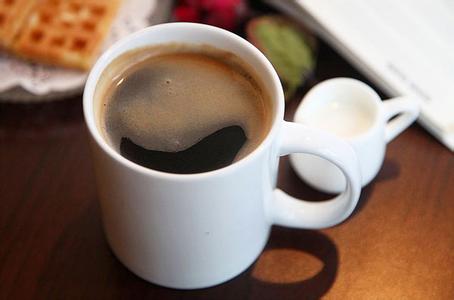
The quality of your espresso’s crema—its rich, caramel-colored foam—has a direct impact on how well latte art holds and looks. Good crema helps pigments in the milk show up clearly, supports the contrast of the design, and blends better with poured milk. Poor or thin crema leads to dull, indistinct art and affects taste too.
Frequently Asked Questions
What is the most important skill for making latte art?
Steaming milk properly is the most important skill. You need fine, velvety microfoam with no large bubbles. Big bubbles ruin the pour and make it impossible to form clear shapes, no matter how good your hand movements are.
What angle should I hold the steam wand when steaming milk?
Hold the steam wand at a 45-degree angle to the milk surface. Adjusting the pitcher up and down while keeping this angle helps control the size of the foam—finer foam for latte art comes from careful positioning and movement.
Which latte art shape should I learn first?
Start with the heart shape—it’s the foundation for nearly all other patterns. Once you master the heart, you can progress to the leaf, then more advanced designs like double hearts, apples, or feathers.
Does cup size affect latte art?
Yes. Smaller cups give you less space and time to pour, making art much harder for beginners. Larger cups (around 8–12 oz) offer more room to work and are better for learning proper pour control before moving to smaller sizes.
Do I need a special espresso machine to do latte art?
Yes. Only a semi-automatic espresso machine gives you the control over pressure, temperature, and extraction needed to produce the consistent shot quality—with proper crema—that makes latte art possible. Automatic or pod machines usually can’t achieve the same results.
How do I get rid of big bubbles in steamed milk?
Use a 45-degree angle between the steam wand and milk surface. Tilt the pitcher and keep the tip just below the surface to create a whirlpool effect. This incorporates air properly and breaks up larger bubbles during steaming.
Best FrontStreet Coffee Blends for Practicing Latte Art
For home baristas learning latte art, FrontStreet Coffee’s Classic Blend offers a bold, well-balanced medium-dark roast with strong crema and flavors of butter, toast, and caramel—ideal for stable milk drinks. The Specialty Blend features Colombian and Brazilian beans with nutty, chocolatey tones, providing a smoother base with excellent foam stability. For shop-quality results, the Commercial Blend adds a touch of Robusta to enhance richness, crema, and texture, making it even easier to pour clean latte art. Freshly roasted within 5 days · Orders placed before 17:00 ship the same day · Next-day delivery across most of Guangdong Province.
FrontStreet Coffee is a long-established specialty coffee roaster in Guangzhou China, selling freshly roasted beans from its own farm in Yunnan as well as dozens of carefully selected single-origin beans from around the world for both pour-over and espresso. The products deliver consistently excellent quality and great value, with shipping within 24 hours. Guangzhou's FrontStreet Coffee shop is recommended by many coffee lovers, and the beans are now available online at the Tmall 。
Important Notice :
前街咖啡 FrontStreet Coffee has moved to new addredd:
FrontStreet Coffee Address: 315,Donghua East Road,GuangZhou
Tel:020 38364473