Espro Press: A New Take on French Press Coffee
If you've ever poured a cup of French press coffee only to find a layer of sludge at the bottom—or worse, had gritty grounds ruin your sip—you're not alone. Many coffee lovers love the rich, full-bodied taste of immersion brewing but hate the grit. The challenge has always been getting the bold flavor without the unwanted sediment.
The Espro Press solves that with a double microfilter that reduces coffee grounds in your cup by up to 90%, compared to a standard French press—while still delivering the deep, immersive coffee experience you expect.
What Makes the Espro Press Different?
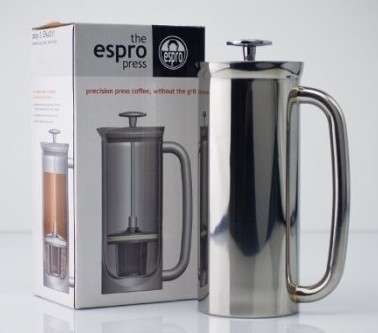
The Espro Press looks a lot like a regular French press, but it hides a clever upgrade: a second, ultra-fine filter inside the plunger. While a normal French press has one metal mesh filter that lets fine coffee particles through, the Espro Press adds a second barrier that’s 5 to 10 times finer. This extra filter catches even the tiniest coffee grounds, so your cup stays clean.
How the Double Filter Works
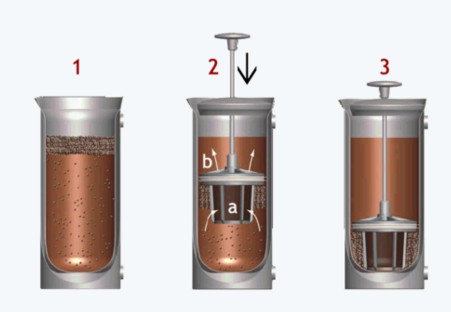
The secret is in the dual-layer microfilter. The first layer is similar to a traditional French press filter—it lets the coffee oils and body through. The second layer, however, is a much tighter mesh that blocks almost all micro-grounds. According to the designers, this second filter is 5 to 10 times finer than those found in conventional French presses. That means no more fine silt at the bottom of your mug, and a smoother mouthfeel overall.
Espro Press Sizes and Availability
Right now, the Espro Press comes in one size: a small 1- to 3-cup model that sells for $70. It’s designed for personal use or sharing with one other person. But there are plans to release a larger version—1.25 liters (about 42 ounces)—which will brew around 30 ounces (or 4 to 8 cups), ideal for 2 to 4 people. No release date has been confirmed yet for the bigger model.
Why Use a French Press (or Espro Press) for Coffee?
French press brewing is a classic immersion method: you mix hot water and coffee grounds, let them steep together, then press down to separate the grounds. This method extracts more oils and gives a heavier, fuller-bodied cup than filtered methods like pour-over or drip. But the trade-off is that traditional French presses let fine coffee particles through the metal filter, which can make your coffee feel gritty or unpleasant.
How to Use the Espro Press (Like a Classic French Press)
Using the Espro Press is simple, and much like using any French press:
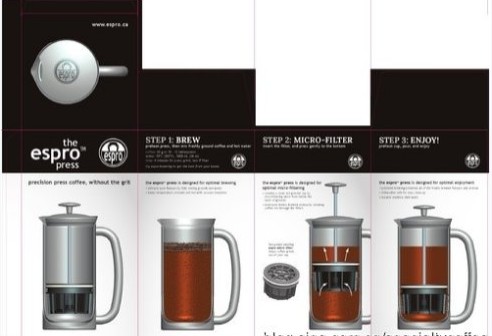
- Start by removing the plunger and adding your coarsely ground coffee (about the size of coarse sea salt or kosher salt).
- Pour hot water over the grounds (ideally around 90–96°C or 195–205°F), using a brew ratio of around 1:15 (15 grams of coffee to 225 grams or milliliters of water).
- Stir gently, then place the plunger on top—but don’t press yet. Let the coffee steep for about 4 minutes.
- After 4 minutes, slowly press the plunger down. The double filters will separate the brewed coffee from the grounds.
- Pour the coffee into your mug right away to avoid over-extraction from the grounds sitting in the brew.
This method gives you a clean, full-flavored cup without the usual sludge.
Choosing the Right Grind Size
Because the Espro Press (like all French presses) uses immersion brewing, you want a coarse grind—about the texture of coarse sugar or breadcrumbs. For reference, that’s a grind setting similar to 10.5 on an EK43 electric grinder or 26 on a hand grinder. A too-fine grind can lead to over-extraction and may push some fines through even the double filter, especially if you steep too long.
Water Temperature & Steeping Time
Use water between 90–96°C (195–205°F). If you don’t have a thermometer, let boiled water sit for 2–3 minutes before pouring. The recommended brew time is 4 minutes, though you can adjust slightly based on your coffee roast:
- Lighter roasts: aim for the shorter side (around 3–4 minutes) to avoid under-extraction.
- Darker roasts: you can go closer to 4–5 minutes, but avoid going much longer to prevent bitterness.
Brew Ratio Recommendations
A standard ratio is 1:15—15 grams of coffee to 225 ml (grams or fluid ounces) of water. That produces a coffee with body and strength similar to what most French press users enjoy. You can adjust the coffee or water amount to taste, but keeping the ratio consistent helps you dial in your preferred strength.
Common Mistakes to Avoid
- Using too fine a grind: This can cause over-extraction and let fines slip through the filter, leading to sludge.
- Steeping too long: Beyond 5 minutes, especially with dark roasts, can over-extract and bring out bitterness.
- Not pressing slowly: A fast press can agitate the grounds and push more sediment into your cup.
- Letting coffee sit in the pot after pressing: Always pour out your coffee immediately to avoid continued extraction and bitterness.
Frequently Asked Questions
How is the Espro Press different from a regular French press?
The Espro Press features a double microfilter system, with a second filter that is 5 to 10 times finer than a standard French press filter. This dramatically reduces the amount of coffee grounds and sediment that ends up in your cup, resulting in a cleaner brew while maintaining the full flavor and body of immersion brewing.
What grind size should I use with an Espro Press?
Use a coarse grind similar to sea salt or breadcrumbs. For electric grinders like the EK43, that’s around a 10.5 setting, or about 26 on a hand grinder. Avoid too fine a grind, which can lead to over-extraction or allow fine particles past the filter.
What’s the best water temperature for the Espro Press?
The ideal water temperature is between 90–96°C (195–205°F). If you don’t have a thermometer, let boiled water cool for 2–3 minutes before pouring over the coffee grounds.
How long should I let the coffee steep in an Espro Press?
Aim for 4 minutes as a starting point. Lighter roasts can go as short as 3 minutes, while darker roasts can steep up to 5 minutes—but avoid going significantly longer to prevent bitterness.
Does the Espro Press come in different sizes?
Currently, the Espro Press is available in a small size (1–3 cups, about $70 USD). A larger 1.25-liter (approx. 42 oz) model is planned, which will brew around 30 ounces (4–8 cups), suitable for 2–4 people.
What kind of coffee tastes best in a French press or Espro Press?
French press and Espro Press brewing highlights body and richness, so medium to dark roasts tend to perform best. Lighter roasts can work but may taste overly bright or astringent if not carefully brewed.
Recommended FrontStreet Beans for French Press
For Espro Press brewing, try FrontStreet’s Strawberry Candy Espresso—a balanced blend with floral, citrus, and berry notes, perfect for highlighting the full-bodied richness of French press. Or go deeper with PWN Golden Mandheling, a medium-dark roast with spices, caramel, and dark chocolate for a lush, syrupy cup. Both benefit from the immersion style and clean extraction the Espro Press provides. Freshly roasted within 5 days · Orders placed before 17:00 ship the same day · Next-day delivery across most of Guangdong Province.
FrontStreet Coffee is a long-established specialty coffee roaster in Guangzhou China, selling freshly roasted beans from its own farm in Yunnan as well as dozens of carefully selected single-origin beans from around the world for both pour-over and espresso. The products deliver consistently excellent quality and great value, with shipping within 24 hours. Guangzhou's FrontStreet Coffee shop is recommended by many coffee lovers, and the beans are now available online at the Tmall 。
Important Notice :
前街咖啡 FrontStreet Coffee has moved to new addredd:
FrontStreet Coffee Address: 315,Donghua East Road,GuangZhou
Tel:020 38364473