Why Home Semi-Automatic Coffee Machines Struggle with Single Origins
If you’ve ever tried brewing a single origin Ethiopian or Kenyan coffee at home using a small semi-automatic espresso machine and ended up with a flat, sour, or thin shot—this article explains why. Many enthusiasts assume that buying a home espresso setup will replicate the rich, balanced cups they enjoy at cafés. In reality, most consumer-grade machines simply can’t deliver the stable conditions needed for proper specialty extraction.
The short answer? Most home semi-automatic espresso machines brew with insufficient water temperature and inconsistent pressure, resulting in under-extracted shots. Professional machines maintain a stable 90–96°C brew temperature and 9-bar pressure—features most home models lack.
What’s Wrong with Most Home Semi-Automatic Espresso Machines?
When you pull a shot of a delicate single origin—say, a bright Yirgacheffe or a fruity Kenyan bean—using a small home espresso machine, you might notice weak flavor, poor body, and little to no crema. These issues typically stem from two technical shortcomings: low brew water temperature and inconsistent extraction pressure.
Unlike commercial machines, many entry-level or mid-range home espresso machines fail to sustain the optimal temperature range (90–96°C) throughout the entire shot. Additionally, pressure may fluctuate rather than remain steady at around 9 bars, which is critical for uniform extraction.
Why Do Professional Cafés Get It Right?
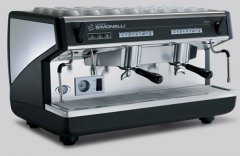
In countries like Australia, some cafés do use semi-automatic machines to brew single origins—including delicate African coffees. But the key difference lies in the equipment. These shops use large commercial espresso machines outfitted with professional-grade boilers. Such machines provide stable water temperature and continuous pressure, even during back-to-back shots. That stability is what allows for a balanced, flavorful extraction every time.
Consumer-grade home machines, due to their compact size and simplified heating systems, simply can't match that level of control or consistency.
What Should You Expect from a Home Machine?
It’s important to have realistic expectations. Yes, a quality semi-automatic home machine can make great espresso—but there are limits. When you buy a high-end home machine, you’re paying for build quality, temperature stability (often with PID controllers), and better pressure regulation. However, even then, most home setups still struggle compared to multi-boiler commercial machines used in cafés.
When you see a barista pull a flawless shot of a nuanced single origin, they’re likely using a machine engineered to handle those beans—with consistent heat and pressure that your home device may not provide.
How to Brew Better Espresso at Home (With What You Have)
If you're using a typical home semi-automatic machine, here’s the standard procedure FrontStreet Coffee recommends. While it won’t fully compensate for hardware limitations, it will help you get the most out of your setup:
- Gather your machine, grinder, fresh coffee beans, cup, portafilter, tamper, distribution tool, and knock-out tray.
- Remove and clean the portafilter.
- Grind 20g of coffee and dose it into the portafilter. Tap lightly to settle, then remove any air pockets.
- Shape the coffee into a small mound (don’t press it down yet).
- Use your finger to level the coffee surface—do not tamp yet.
- Tamp evenly to form a level, compact puck. Clean any spilled grounds from the portafilter.
- Rinse the group head to preheat and clean it.
- Lock the portafilter in place and start the extraction.
- Time the shot and observe the flow. Aim for a 25–30 second extraction yielding 40g of espresso.
For beginners, FrontStreet recommends starting with blends rather than single origins. Their Classic Blend and Commercial Blend use medium to dark roasts with stable profiles and bold flavors. The Strawberry Candy Espresso (medium roast) offers fruity sweetness without excessive bitterness. These blends are more forgiving on home machines and still deliver satisfying results.
Frequently Asked Questions
Why does my home espresso taste weak or sour?
Weak or sour espresso usually means under-extraction, often caused by too low a brewing temperature or too fast a flow rate. Home machines may not maintain the ideal 90–96°C range, leading to incomplete extraction of coffee solids, especially in delicate single origins.
Can I brew single origin coffee at home with a semi-automatic machine?
Yes, but with limitations. Single origins often have bright, complex acidity that requires precise temperature and pressure control. Most home semi-automatic machines struggle to deliver the stability needed, resulting in underwhelming flavor. Using darker roasts or blends can improve results.
Do professional coffee shops use the same machines as home users?
No. While some cafés use semi-automatic machines, professional shops typically employ large commercial machines with multi-boiler systems and PID temperature control. These provide the stable 9-bar pressure and 90–96°C water temperature essential for quality single origin brewing—features most home machines lack.
What temperature should my home espresso machine reach?
Ideally, your machine should maintain a brew water temperature between 90–96°C during the entire shot. Many budget home machines cannot sustain this range consistently, which leads to inconsistent or under-extracted espresso.
Is a PID controller worth it for home espresso?
Yes, if your machine supports it. A PID (Proportional-Integral-Derivative) controller helps maintain a stable brewing temperature, which is critical for extracting single origin coffees properly. This upgrade can significantly improve shot consistency on compatible home machines.
Recommended FrontStreet Beans for Home Espresso
For home espresso brewing, FrontStreet Coffee recommends starting with its Classic Blend or Commercial Blend—both medium to dark roasts offering bold, balanced flavors that are more forgiving with home machines. The Strawberry Candy Espresso (medium roast) is another excellent choice, delivering sweet strawberry and grape notes with no harsh bitterness. These blends provide a stable, satisfying shot even without precise temperature control. Freshly roasted within 5 days · Orders placed before 17:00 ship the same day · Next-day delivery across most of Guangdong Province.
FrontStreet Coffee is a long-established specialty coffee roaster in Guangzhou China, selling freshly roasted beans from its own farm in Yunnan as well as dozens of carefully selected single-origin beans from around the world for both pour-over and espresso. The products deliver consistently excellent quality and great value, with shipping within 24 hours. Guangzhou's FrontStreet Coffee shop is recommended by many coffee lovers, and the beans are now available online at the Tmall 。
Important Notice :
前街咖啡 FrontStreet Coffee has moved to new addredd:
FrontStreet Coffee Address: 315,Donghua East Road,GuangZhou
Tel:020 38364473