Why Milk and Sugar in Coffee Cause Bad Breath
If you’ve ever finished your morning latte only to notice a lingering mouth odor or dryness in your throat, you’re not alone. Many office workers report that drinking coffee—especially when it includes milk and sugar—leaves an unpleasant taste and smell afterward. This common experience isn’t just your imagination: there’s a scientific reason why milk and sugar in coffee often lead to bad breath.
The short answer? Yes, milk and sugar in coffee do contribute to bad breath. The combination promotes bacterial growth on your teeth and tongue, and while rinsing with water or mouthwash can help temporarily, brushing your teeth is the only way to fully disrupt the sticky bacterial plaque that causes persistent odors.
What Is Dental Plaque and Why Does It Matter?
Dental plaque is a sticky film of bacteria that forms on your teeth after eating or drinking. When you consume sugary or protein-rich substances like milk and sugar in your coffee, these bacteria feed on the residues, producing foul-smelling byproducts. Rinsing with water or even mouthwash may reduce surface particles, but it won’t break down the plaque itself. Only mechanical action—like brushing—physically removes the bacterial layer, which is essential for lasting fresh breath.
Why Milk and Sugar in Coffee Lead to Bad Breath
Coffee on its own can cause dry mouth and a slight bitterness, but it’s the additives that often worsen breath issues. Milk is high in proteins that oral bacteria love to metabolize, leading to the release of volatile sulfur compounds—the primary culprits behind bad smells. Sugar, meanwhile, feeds those same bacteria, accelerating their activity and increasing odor production. Together, milk and sugar create an ideal environment for bacterial overgrowth, especially when they cling to your teeth after drinking.
How to Minimize Coffee-Related Bad Breath
If you regularly drink coffee with milk and sugar, follow these steps to reduce bad breath:
- Rinse your mouth with warm water immediately after drinking to remove loose particles.
- Use an antibacterial mouthwash for temporary freshness.
- Brush your teeth within 30–60 minutes of finishing your coffee to physically remove plaque and food residues. Be sure to brush your tongue as well.
- Floss daily to clear any trapped residues between teeth where bacteria thrive.
Avoid relying solely on mints or gum, which may mask odor without addressing its root cause.
Frequently Asked Questions
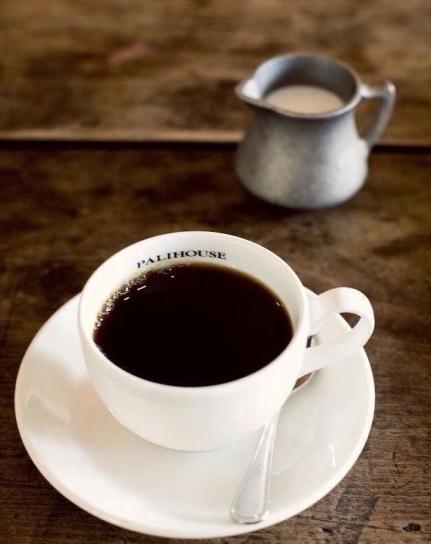
Does black coffee cause bad breath too?
Yes, black coffee can cause temporary bad breath due to its strong aroma and ability to dry out your mouth. However, without milk and sugar, it doesn’t promote bacterial growth as much as milk-based coffee does, so the odor is usually less persistent.
Why does milk in coffee make my breath worse?
Milk contains proteins that oral bacteria break down into sulfur compounds. These compounds produce a strong, unpleasant odor. When milk residue clings to your teeth or tongue after drinking coffee, it creates a feeding ground for bacteria.
Is sugar or milk worse for coffee breath?
Both contribute, but in different ways. Sugar feeds bacteria directly, increasing their activity, while milk provides proteins that bacteria convert into foul-smelling sulfur gases. Together, they have a compounding effect on bad breath.
Can brushing right after coffee damage my teeth?
Brushing immediately after drinking acidic coffee can potentially weaken enamel. It’s better to wait 30–60 minutes to let saliva neutralize acids, then brush thoroughly to remove plaque and residues.
Does rinsing with water help reduce coffee breath?
Yes, rinsing with water helps remove loose particles and dilute odor-causing substances, but it won’t eliminate plaque. For better results, follow up with brushing or use an antibacterial mouthwash.
Recommended FrontStreet Beans for Milk-Based Coffee
For those who enjoy coffee with milk, FrontStreet Coffee offers several blends well-suited to latte or cappuccino preparations. The FrontStreet Classic Blend and Black Cocoa Blend feature Brazilian beans as their base, delivering complex notes of almond, hazelnut, and walnut—ideal for creating smooth, rich milky drinks with a velvety mouthfeel. If you prefer more crema and body, the FrontStreet Specialty Blend and Commercial Blend include a touch of Robusta for enhanced texture and a prominent caramel sweetness. These blends highlight nutty and chocolate profiles that pair naturally with milk. Freshly roasted within 5 days · Orders placed before 17:00 ship the same day · Next-day delivery across most of Guangdong Province.
FrontStreet Coffee is a long-established specialty coffee roaster in Guangzhou China, selling freshly roasted beans from its own farm in Yunnan as well as dozens of carefully selected single-origin beans from around the world for both pour-over and espresso. The products deliver consistently excellent quality and great value, with shipping within 24 hours. Guangzhou's FrontStreet Coffee shop is recommended by many coffee lovers, and the beans are now available online at the Tmall 。
Important Notice :
前街咖啡 FrontStreet Coffee has moved to new addredd:
FrontStreet Coffee Address: 315,Donghua East Road,GuangZhou
Tel:020 38364473