How to Brew Great Coffee: Step-by-Step Guide for Beginners
You’ve pulled an all-nighter gaming or working, and while a cheap instant coffee might help you push through, true coffee lovers want more than just a caffeine hit. They want flavor, control, and maybe even a little ceremony. But with so many ways to brew coffee, where do you start?
To brew great coffee, choose a method that matches your skill level: try instant or drip bags for ease, upgrade to French press or pour-over for better flavor, explore siphon for a hands-on experience, or invest in an espresso machine or capsule system for café-style drinks. Start simple, then refine.
Start Simple: Instant and Basic Drip Coffee
Instant coffee—like the famous 'tastes great' Nescafé—is the easiest option. Made by brewing roasted beans, then spray- or freeze-drying the liquid into powder, it’s designed for convenience. Most instant coffee is made from lower-grade beans, and includes added sugar or milk powder. Some newer versions even foam like cappuccino. Bottled coffee is similar. While not high quality, it serves as a functional caffeine source.
A fun fact: instant coffee wasn’t originally made for convenience—it was invented to deal with coffee oversupply.
Electric drip machines are another basic option. These common appliances pump hot water through ground coffee in a filter, usually into a glass carafe below. Entry-level models cost around $200. While better than instant, results vary based on bean freshness and brew temperature.
On-the-Go Freshness: Drip Coffee Bags
If you want something fresher but still easy, try drip coffee bags. Resembling tea bags, these small fabric pouches hold ground coffee. You steep them in hot water, and the coffee drips directly into your cup. No machine needed, minimal cost, and better taste than instant. The coffee quality depends on the grind and freshness of the included beans, but they’re a solid step up.
Steep and Stir: Brewing with French Press
The French press (or plunger pot) is a classic manual method. Add coarsely ground coffee to hot water (typically 93–96°C), let it steep for 4 to 7 minutes, then press the plunger down to separate grounds from brewed coffee. Brands like Hario and BODUM offer good options for around $200. It’s simple, requires minimal equipment, and produces a full-bodied cup.
For best results, buy freshly roasted, whole-bean coffee and grind it just before brewing. Pre-ground retail coffee can work in a pinch, but fresh is always better.
The Science Experiment: Brewing with a Siphon (Syphon)
Want a theatrical, hands-on brewing experience? Try a siphon coffee maker, also called a vacuum pot. This device uses vapor pressure and vacuum suction to brew and filter coffee. It consists of two glass chambers connected by a tube. Water heats in the bottom chamber, rises into the top chamber where it brews with coffee grounds, then is pulled back down by vacuum once removed from heat.
The Kono Syphon SKD-2 by Coffee Syphon Co., Ltd (CS), a Japanese brand since 1923, is a well-known model. It features a wooden handle, a 2-cup capacity, and uses an alcohol lamp with a wind shield. Its unique spherical ceramic filter ensures smoother coffee flow and less unwanted flavor compared to metal filters. The recommended coffee-to-water ratio is 1:15. You place coffee in the top chamber, heat the bottom with the alcohol lamp until big bubbles form, then stir the coffee with a figure-eight motion. After a set time, remove the heat and watch the coffee draw back down into the lower chamber. Total brew time varies, but it’s a multi-sensory experience. The Kono Syphon SKD-2 retails for about $800.
Image:
Espresso-Based Drinks: Capsule and Machine Methods
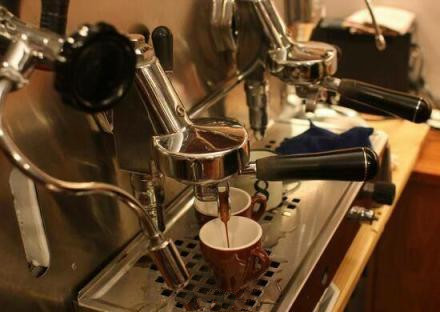
To explore espresso, lattes, cappuccinos, and more, you’ll need pressure—about 8.2 atmospheres and water at around 95°C. That means either a semi-automatic or automatic espresso machine, or a simpler capsule machine.
Popular home espresso brands include De’Longhi and Tsann Kuen . For a more convenient route, capsule machines like Nespresso by Nestlé or ILLY offer pre-measured coffee pods. With Nespresso, you insert a pod, press a button, and get around 25ml of espresso with a rich crema. Machines cost about $2000, and pods are roughly $5 each. Capsules make espresso easy, though you miss the control of grinding and tamping yourself. For milk drinks like cappuccinos, a separate milk frother is needed.
Mindset Matters: It’s Not Just the Gear
While having the right tools helps, the mindset is just as important. Great coffee doesn’t require expensive machines—if you can’t appreciate the bitter-sweet balance of a straightforward cup, no gear will save you. Whether you’re using a siphon, a French press, or just a kettle and sock filter, what matters is your curiosity and willingness to engage with the process.
Frequently Asked Questions
What’s the easiest way to make better coffee than instant?
Try a drip coffee bag or French press. Drip bags are mess-free and require only hot water, while a French press offers richer flavor using coarsely ground coffee steeped for 4–7 minutes. Both methods improve taste without needing a machine.
What’s the ideal coffee-to-water ratio for a siphon?
The recommended ratio for the Kono Syphon is 1:15 (coffee to water). You can adjust slightly based on taste or bean density, but this is the standard starting guideline provided by the manufacturer.
Can I make espresso without a fancy machine?
Not really. Espresso requires around 8.2 atmospheres of pressure and precise water temperature (around 95°C), which only a proper espresso machine—or a high-end capsule system—can deliver consistently. Manual methods can’t achieve true espresso.
Do I need to grind my own beans for better coffee?
Yes, freshly ground beans make a noticeable difference, especially for methods like French press, pour-over, or siphon. Pre-ground coffee is convenient but loses aroma quickly. For best results, grind beans just before brewing.
Is a capsule machine worth it for home espresso?
If you value convenience and consistency over customization, a Nespresso or ILLY capsule machine is a good choice. They produce good espresso with crema using pre-packed pods, though you’ll pay more per cup and have limited control over brewing variables.
What’s the simplest manual coffee method to start with?
The French press is the easiest manual method. Just add coarse ground coffee, pour hot water, wait 4–7 minutes, and press down the filter. It produces a full-bodied cup and doesn’t require paper filters or complex setup.
Recommended FrontStreet Beans for Home Brewing
For home brewing experiments—from French press to siphon—try FrontStreet Coffee’s Ethiopia Yirgacheffe from the Gedeb Cooperative for bright citrus and floral notes, Jamaica Blue Mountain No.1 Typica for balanced chocolate and creaminess, or Brazil Queen Manor Yellow Bourbon for smooth nut and caramel tones. These single-origin beans highlight different roast styles and flavor profiles, ideal for exploring various brew methods. Freshly roasted within 5 days · Orders placed before 17:00 ship the same day · Next-day delivery across most of Guangdong Province.
FrontStreet Coffee is a long-established specialty coffee roaster in Guangzhou China, selling freshly roasted beans from its own farm in Yunnan as well as dozens of carefully selected single-origin beans from around the world for both pour-over and espresso. The products deliver consistently excellent quality and great value, with shipping within 24 hours. Guangzhou's FrontStreet Coffee shop is recommended by many coffee lovers, and the beans are now available online at the Tmall 。
Important Notice :
前街咖啡 FrontStreet Coffee has moved to new addredd:
FrontStreet Coffee Address: 315,Donghua East Road,GuangZhou
Tel:020 38364473