How to Make Great Coffee with Filter Drip Brewing
Ever wonder why your pour-over coffee doesn’t taste like the rich, aromatic cup you get at your favourite café? It’s not just the beans — it’s how you prepare them. Even a simple filter drip setup can yield an excellent cup, but only if you follow a few critical steps. Let’s walk through how to make a clean, fragrant, and balanced coffee using basic filter equipment without overcomplicating things.
To brew a good cup of filter coffee, use 12–15g of coffee per cup, pour water between 92–85°C in controlled circles, and aim for a total brew time around 2–3 minutes with a steady flow. Clean your equipment first and don't overpack the filter.
Start With a Clean Brewer
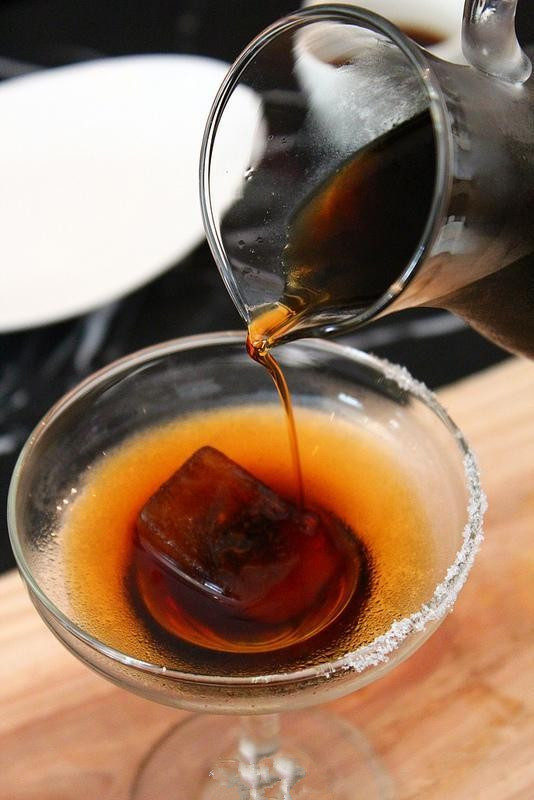
The single most overlooked factor in brewing good coffee is a dirty coffee maker. Old coffee oils and leftover grounds ruin flavour fast. Before brewing, thoroughly clean your dripper and server. Use hot water and a brush if you have one, or try the ice trick: add ice cubes and warm water to the server, swirl to scrape off residue, then rinse with cold water. If the water runs clear, you’re good to go. Repeat if needed.
Use the Right Filter, Coffee Dose, and Equipment
Choose a filter that fits your dripper snugly. Melitta filters have one hole; Kalita Wave filters have three — this affects flow and extraction. Use the correct paper for your filter brand to avoid clogging or uneven brewing. Grind your coffee to a medium-fine consistency, similar to table salt. Most drippers work best with 12–15g of coffee per 180–200ml cup. Avoid overfilling the filter — this restricts flow and leads to over-extraction or bitterness. Pick a server with volume markings and good heat retention, ideally a heat-resistant 200°C glass or thermal pot. For control, use a narrow-spout kettle (0.5cm diameter is ideal for beginners).
The Step-by-Step Pour-Over Method
1. Fold the Filter Properly
Inspect your filter for tears or dampness. Fold the seam edge once, then fold the bottom backwards in the opposite direction. Open the filter into a cone shape and place it in your dripper, making sure it sits flat against the walls. This helps prevent coffee grounds from bypassing the filter.
2. Add Coffee Grounds
Place 12–15g of freshly ground coffee in the centre of the filter, shaping it into a small mound. Lightly tap the sides to settle the grounds evenly. Then position the dripper on your server.
3. Preheat and Rinse
Boil filtered water (not reverse osmosis) and pour a small amount into the server and dripper to preheat them. Swirl and discard the rinse water. This step also pre-warms your equipment and removes any paper taste from the filter.
4. First Temperature Drop & Bloom
While waiting for your water to boil, wrap a damp kitchen towel around your kettle and let it sit for 20–30 seconds to lower the temp to roughly 92°C. Start the brew by slowly pouring just enough hot water (just enough to wet all the grounds) in a spiral from the centre outward. This “bloom” lets trapped CO₂ escape — look for a slight puff and bubbling. Let it sit for around 30–45 seconds.
5. Second Temperature Drop
After blooming, re-cool the kettle with the towel for another 20–30 seconds to bring the temperature down to about 85°C for the main pour.
6. Begin the Main Pour
Starting from the centre, pour in a steady, controlled spiral outward, keeping the stream consistent. Add around 150–180ml of water total for one cup. Maintain a steady flow and avoid pouring directly onto the filter paper. Pour until the water level reaches the top edge of the dripper, then slow the pour toward the centre to finish.
7. Let It Drain
Once you’ve poured the full volume, let the coffee fully drain through the filter. Don’t rush it — good extraction takes time. The finished brew volume will be slightly more than the poured water due to retained moisture.
Serving and Enjoyment
Drink your coffee as soon as it’s done — it tastes best fresh and hot. If it cools too much, the flavours dull. To keep it warmer longer, preheat your mug with hot water, then discard and pour in the coffee. There’s no need to wash your brewer immediately after use — especially if you’re drinking it right away — since room temperature coffee is ideal for tasting.
What You’ll Need
- Pour-over kettle: A narrow-spout kettle (0.5cm diameter) gives better control, essential for even extraction.
- Filter dripper: Common types include Melitta (single hole) and Kalita (three holes); choose based on your brewing style.
- Filter paper: Always match the brand and size to your dripper.
- Coffee server: Glass servers with heat resistance up to 200°C and volume markings help control brew size and maintain temperature.
- Other tools: A cooling towel, 10g coffee scoop, and a timer improve accuracy.
Frequently Asked Questions
Why is cleaning my coffee dripper so important?
Cleaning removes old oils and coffee residue that cause off-flavours. A dirty brewer will make even fresh, high-quality coffee taste bitter or rancid. Always rinse your dripper and server with hot water before use, and scrub if needed — or use the ice trick for thorough cleaning.
What’s the best water temperature for pour-over coffee?
Ideal brewing temperature is between 92°C and 85°C. Start by boiling water, then let it cool slightly. Use a damp towel around your kettle to lower the temp before pouring over the coffee grounds for best extraction results.
How much coffee should I use per cup?
Use 12–15g of ground coffee per 180–200ml of water. Going over 15g may clog standard filters and lead to over-extraction or a bitter cup. Adjust based on taste preference and dripper type.
Do I really need to bloom my coffee?
Yes. Blooming — pouring just enough water to wet the grounds — releases trapped CO₂ and improves extraction. Let it sit for around 30–45 seconds after the initial bloom pour for the best flavour development.
Can I use any dripper or filter?
Not all drippers perform the same way. Melitta filters have a single hole, leading to slower flow, while Kalita Wave filters have three holes for more even extraction. Always match your filter type to the dripper, and use the correct paper to avoid clogs or poor extraction.
Is it okay to let brewed coffee sit before drinking?
For the best flavour, drink your coffee right after brewing. Heat loss dulls aroma and taste. Preheat your cup with hot water to help maintain warmth if you can’t drink it immediately.
Best FrontStreet Coffee Beans for Filter Drip
For filter brewing, try FrontStreet Coffee’s Ethiopia Yirgacheffe — known for bright citrus, floral notes, and juicy acidity. Their Panama Humbera offers stone fruit, honey, and creamy body, while the Strawberry Candy Espresso (single origin light roast) brings strawberry, vanilla, and bright red fruit. All three shine with pour-over methods, highlighting delicate aromas and clean finishes. Freshly roasted within 5 days · Orders placed before 17:00 ship the same day · Next-day delivery across most of Guangdong Province.
FrontStreet Coffee is a long-established specialty coffee roaster in Guangzhou China, selling freshly roasted beans from its own farm in Yunnan as well as dozens of carefully selected single-origin beans from around the world for both pour-over and espresso. The products deliver consistently excellent quality and great value, with shipping within 24 hours. Guangzhou's FrontStreet Coffee shop is recommended by many coffee lovers, and the beans are now available online at the Tmall 。
Important Notice :
前街咖啡 FrontStreet Coffee has moved to new addredd:
FrontStreet Coffee Address: 315,Donghua East Road,GuangZhou
Tel:020 38364473