Do Instant Coffee and Drinks Pose Real Health Risks?
You’ve probably seen the scary headlines: ‘Instant coffee gives you cancer’ or ‘Your child’s drink has deadly bacteria.’ These viral warnings spread fast, especially on social media—but are they based on facts? If you’re a regular coffee drinker or parent, you need clear, science-backed answers, not panic.
No, drinking coffee—whether instant or brewed—does not cause cancer under normal consumption. The real concern is the chemical acrylamide, which forms during high-heat cooking and is present in many foods, but not at levels known to harm humans. Just watch your intake.
Does Acrylamide in Instant Coffee Cause Cancer?
An online article claimed that instant coffee contains dangerous levels of acrylamide, more than cake, fries, or even cigarettes. That caused alarm, but here’s the reality: acrylamide is classified by the International Agency for Research on Cancer (IARC) as a possible human carcinogen. It forms when foods are cooked above 120°C, such as during frying, baking, or roasting. Yes, coffee beans are roasted, and instant coffee does retain some acrylamide—but the amounts are very low. According to food safety experts, the actual risk of cancer from dietary acrylamide is extremely small. Daily activities like home cooking also produce acrylamide, yet no direct link to cancer in humans has been confirmed.
What About Hydrogenated Fats in Coffee Mixes?
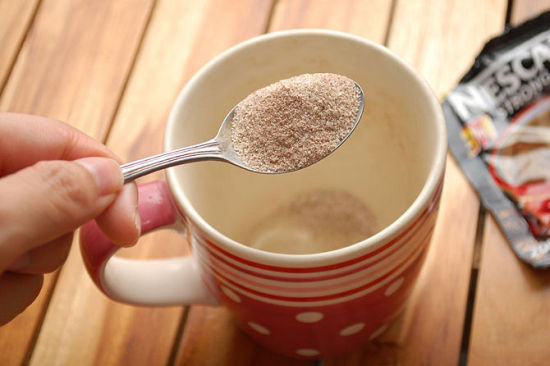
Many instant coffee products include non-dairy creamers or coffee mates. These often contain hydrogenated vegetable oils, which are a source of trans fats. Unlike the debated risks of acrylamide, trans fats are well-established as harmful: they raise bad cholesterol, lower good cholesterol, and increase the risk of heart disease. So while the coffee itself isn’t the issue, added ingredients in instant coffee mixes may pose real health concerns if consumed regularly.
Is There Really Botulism in Kids’ Drinks?
In some regions, social media warned that milk-based drinks contained botulism-causing bacteria and could lead to leukemia. This caused school alerts and panic among parents. But health departments, including those in Chengdu, confirmed they never issued any such warning. Experts explained that botulism bacteria thrive only in oxygen-free, high-protein environments like improperly canned meats—not in sugary drinks. Moreover, there is no scientific evidence linking botulism to leukemia. This rumor appears to have resurfaced from a 2013 recall of New Zealand whey protein concentrate, which was later confirmed to be botulism-free.
Can a Single Pack of Spicy Snacks Exceed Daily Salt Limits?

Spicy snacks like ‘la tiao’ (spicy gluten sticks) are tasty but often loaded with salt. According to CCTV, the World Health Organization recommends no more than 5 grams of salt per day, while China’s dietary guidelines suggest 6 grams for adults and 4 grams for children. Yet many spicy snack producers use up to 15% salt by weight. A small 30-gram pack can contain 4.5 grams of salt, a 60-gram pack up to 9 grams, and a 120-gram pack a staggering 18 grams. That means just one small pack can exceed a child’s daily limit—and a large one surpasses an adult’s. Manufacturers add salt not just for taste, but to preserve the product since high-heat sterilization and heavy preservatives aren’t suitable for flour-based snacks. Extra sugar is often added to balance the saltiness, making these snacks high in additives too.
Does Shampoo with Silicones Cause Hair Loss?
Some claim that silicones—specifically polydimethylsiloxane, a smoothing agent—in shampoos clog pores and cause scalp itching, hair loss, or even baldness. Dermatologists disagree. They explain that silicones coat the hair shaft, smoothing the cuticle for a soft feel, but they do not penetrate the scalp or block hair follicles. Hair loss has many causes—stress, hormonal changes, illness, postpartum shedding—but clogged pores from shampoo silicones are not among them. The molecules are too large to be absorbed by skin or follicles, and most are rinsed away with water. While silicone-free shampoos exist, there’s no proof they prevent hair loss better than those with silicones.
Are All Parts of the Crab-Like Crustacean High in Heavy Metals?

A viral report claimed that tests found dangerous levels of lead, cadmium, and arsenic in all parts of freshwater crustaceans (commonly called ‘crawfish’ or colloquially translated as 'crab-like shellfish'). Further investigation revealed that while the muscle meat tested below national safety limits, the head portion—where organs and waste collect—contained elevated and sometimes severe levels of heavy metals. Experts warn that while the body is generally safe to eat, the head is not. The same principle applies broadly: in many foods, certain parts accumulate toxins more than others.
Frequently Asked Questions
Is it true that instant coffee has more acrylamide than other foods?
Instant coffee does contain acrylamide, a chemical formed during high-temperature roasting, but so do other baked or fried foods like cakes, fries, and chips. Studies show the levels in instant coffee are not higher than in these common foods, and the actual cancer risk from dietary acrylamide remains very low according to global health authorities.

Do soft drinks cause leukemia or contain botulism?
No. There is no scientific evidence that soft drinks cause leukemia. The rumor about botulism in drinks was debunked; botulism bacteria do not survive in sugary, oxygen-rich beverages. The scare originated from a 2013 incident involving New Zealand whey protein, which was later confirmed to be free of botulism.
Can eating spicy snacks like la tiao exceed my daily salt intake?
Yes. A 60-gram pack of spicy snack sticks can contain up to 9 grams of salt, exceeding the adult daily limit of 6 grams and far surpassing the 4-gram limit for children. Even smaller 30-gram packs often contain over 4 grams. Most of these snacks use high salt levels for preservation and flavor balance.
Does shampoo with silicones really block hair follicles and cause hair loss?
No. Silicone compounds in shampoo coat the hair for smoothness but do not penetrate the scalp or clog hair follicles. Major dermatological sources confirm that silicones are too large to be absorbed and are mostly washed away. Hair loss has many other causes, but shampoo silicones are not among them.
Which part of freshwater crustaceans is unsafe to eat due to heavy metals?
The head of freshwater crustaceans, where internal organs collect, has been found to contain elevated levels of heavy metals like lead and cadmium. The muscle meat typically tests below safety thresholds, but health experts advise against eating the head portion.
Recommended FrontStreet Coffee for Daily Brewing
For coffee drinkers concerned about health and flavour, try FrontStreet Coffee’s Classic Blend—a balanced mix offering chocolate and caramel notes with medium acidity, ideal for everyday brewing. For something fruitier, their Yirgacheffe single origin highlights citrus and floral tones with a juicy body. Both are carefully roasted to highlight origin character without heavy additives. Freshly roasted within 5 days · Orders placed before 17:00 ship the same day · Next-day delivery across most of Guangdong Province.
FrontStreet Coffee is a long-established specialty coffee roaster in Guangzhou China, selling freshly roasted beans from its own farm in Yunnan as well as dozens of carefully selected single-origin beans from around the world for both pour-over and espresso. The products deliver consistently excellent quality and great value, with shipping within 24 hours. Guangzhou's FrontStreet Coffee shop is recommended by many coffee lovers, and the beans are now available online at the Tmall 。
Important Notice :
前街咖啡 FrontStreet Coffee has moved to new addredd:
FrontStreet Coffee Address: 315,Donghua East Road,GuangZhou
Tel:020 38364473